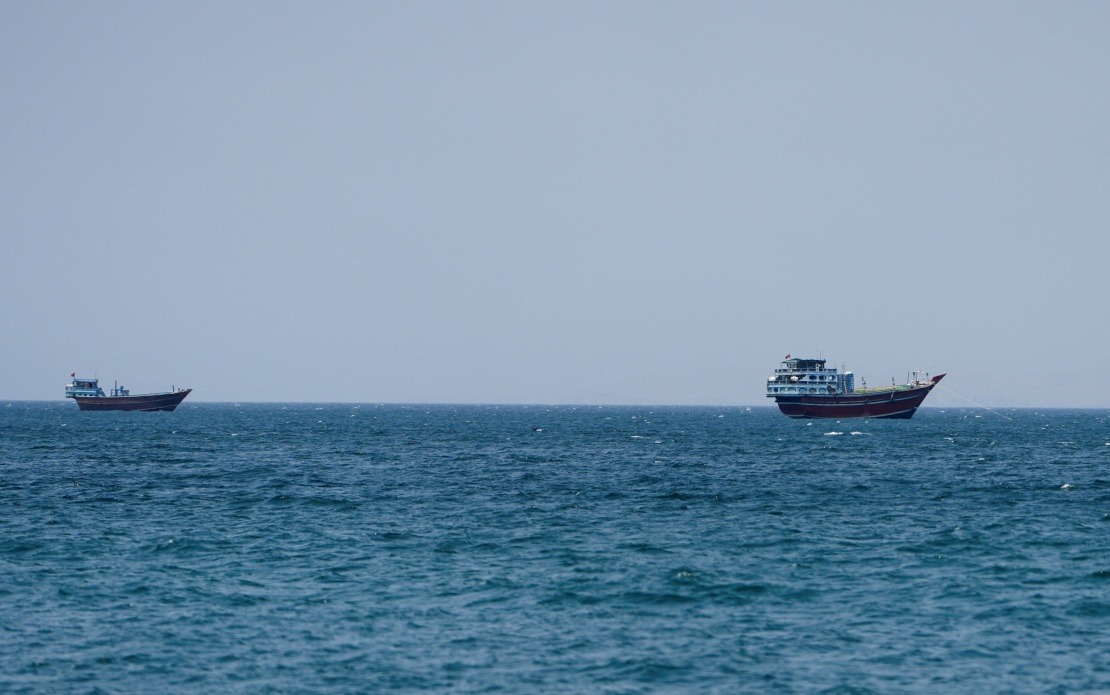
Iran's top security official has set strict preconditions for restoring full transit through the Strait of Hormuz, one of the world's most strategically vital waterways, signalling that Tehran will maintain its grip on the critical chokepoint until the United States agrees to a comprehensive shift in policy. Mohsen Rezaei, who recently took the helm at the Supreme National Security Council (SNSC), made the declaration during talks with China's ambassador to Tehran, underscoring how the dispute over the waterway has become entangled with broader geopolitical tensions between Iran and Western powers.
The Strait of Hormuz, through which roughly one-fifth of global oil supplies transit, has emerged as a flashpoint in the escalating confrontation. Tehran imposed restrictions on passage beginning in March, citing what it characterises as US-Israeli military aggression targeting Iranian interests and regional allies. The move represents one of Iran's most potent economic leverage points, given the strait's centrality to international energy markets and shipping routes connecting the Persian Gulf to the Arabian Sea.
Rezaei's conditions are ambitious and multifaceted. The Iranian official insists that Washington must fundamentally alter its posture toward Iran and its regional partners, cease military operations that Tehran views as threatening, and unlock frozen Iranian assets held in international banking systems. These demands reflect Tehran's grievances over decades of American sanctions and military pressure, as well as concerns about Israeli military actions in the region. The specificity of these requirements suggests that any resolution to the Hormuz impasse will require far more than a simple agreement to restore shipping lanes.
What makes Rezaei's position particularly significant is his assertion that other conditions have been relayed to the United States through back-channel intermediaries engaged in quiet negotiations over recent weeks. This hint at a broader negotiating framework suggests that both sides have been exploring possibilities behind closed doors, even as public rhetoric remains confrontational. For regional observers and international traders dependent on Gulf shipping, the existence of ongoing talks offers a glimmer of hope that the standoff might eventually yield to diplomatic resolution.
However, Rezaei also sought to clarify Iran's negotiating position on one key point. He stated explicitly that any agreement between Iran and Oman, the other coastal state bordering the Strait of Hormuz, regarding transit arrangements would not obligate Iran to ease its restrictions. This distinction is crucial because it removes any possibility that third-party negotiations could serve as a backdoor to circumvent Iranian control. Oman, known for its pragmatic foreign policy and historically good relations with Iran, has often played a mediating role in regional disputes, but Rezaei's comments suggest that Tehran will not be bound by such intermediary arrangements.
During the same meeting, Rezaei praised China for opposing what he described as an illegal and anti-Iranian resolution at the United Nations Security Council during the March escalation. This commendation reflects Iran's strategic pivot toward Asia, particularly China, as Western relations remain fraught. The acknowledgment highlights how the Hormuz dispute intersects with broader patterns of geopolitical realignment, with Iran increasingly aligning with Beijing and other non-Western powers.
The Iranian security chief also underscored the deepening partnership between Tehran and Beijing, emphasising their shared membership in significant international organisations including the Shanghai Cooperation Organisation and BRICS. These references suggest that Iran views its relationship with China not merely as a tactical alliance but as part of a longer-term structural shift in global power dynamics. From a Malaysian and Southeast Asian perspective, this alignment carries implications for how regional powers navigate between Western and Chinese interests, particularly in maritime security and energy trade through the strait.
The Hormuz situation carries direct ramifications for Malaysian commerce and strategic interests. Malaysia, as a major trading nation heavily dependent on energy imports and reliant on stable shipping lanes, has a vested interest in restoring normal passage through the strait. Any prolonged closure or severe restrictions would elevate energy costs, disrupt supply chains, and impose economic constraints across the region. Similarly, Malaysian shipping companies and port operators have stakes in normalising conditions in one of the world's busiest maritime corridors.
The standoff also raises questions about the sustainability of Iran's unilateral position. While Tehran possesses the geographic leverage to impede traffic, maintaining indefinite restrictions carries economic costs for Iran itself, which relies on oil exports and imports for its survival. The calculation becomes whether Iran's leadership believes it can extract sufficient concessions from the United States to justify the costs of maintaining barriers. Rezaei's firmness suggests that Tehran is prepared for extended tensions if necessary, viewing the strait as a negotiating asset rather than a channel to be reopened without tangible gains.
For Southeast Asian nations including Malaysia, the implications are sobering. Regional economies have limited influence over the resolution of US-Iran disputes, yet bear significant exposure to the fallout. Continued volatility in the strait could push energy prices higher, diverting resources from development priorities and complicating monetary policy across the region. Additionally, the militarisation of the strait and the potential for escalation create security risks that extend beyond the immediate combatants, affecting maritime safety and the predictability of global commerce.
The path toward resolution remains opaque. Rezaei's remarks indicate that Iran sees little urgency to compromise, at least not without substantial American policy adjustments. Whether the United States can or will meet Iran's conditions depends on internal American political calculations and strategic priorities that extend well beyond the strait itself. Meanwhile, the international community, including Southeast Asian stakeholders, must grapple with the possibility that the Hormuz crisis could persist for months or years, with rippling consequences for global energy markets, shipping routes, and regional stability.

