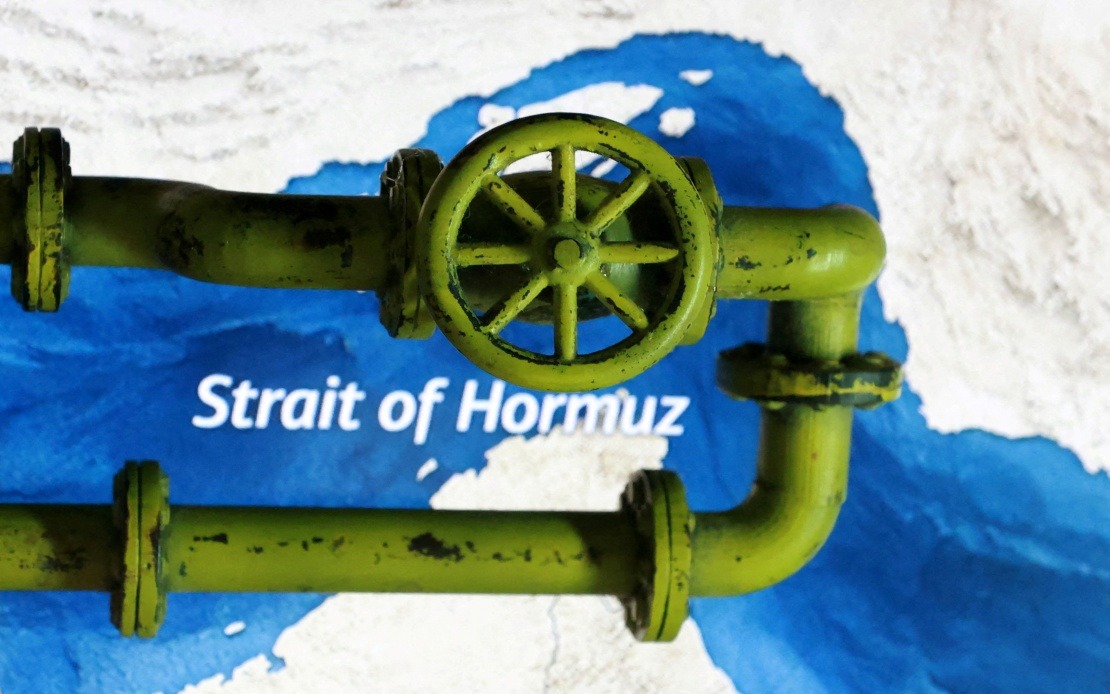
The governor of Iran's Central Bank delivered stark confirmation this week that the nation's petroleum exports have ground to a complete halt, caught between military escalation and comprehensive international sanctions that have severed its access to crucial revenue streams. Abdolnaser Hemmati disclosed the troubling development during a televised address, underscoring the magnitude of economic pressure bearing down on Tehran as diplomatic channels deteriorate and military tensions resurface in the region.
Hemmati's statement carries particular weight given his position managing Iran's financial system during an exceptionally challenging period. The Central Bank chief revealed that neighbouring Iraq and Qatar face similarly devastating circumstances, with their oil revenues also collapsing to zero. This shared predicament among major regional hydrocarbon exporters demonstrates how profoundly current geopolitical instability has disrupted energy markets and state financing across the Gulf. However, Hemmati pointed out a crucial distinction that aggravates Iran's situation compared to its neighbours: Iraq and Qatar retain access to their respective central bank reserves, providing some buffer against immediate financial crisis. Iran, by contrast, finds itself unable to tap its own foreign currency reserves, which remain frozen under American sanctions regime, leaving the government with sharply diminished resources to navigate the emergency.
The sanctions architecture constraining Iran extends beyond merely blocking oil exports. Hemmati emphasised that American authorities have sequestered Iran's foreign currency reserves entirely, preventing any withdrawal or reallocation of these critical assets. This financial strangulation compounds the pain inflicted by the export prohibition, creating a compressive situation where Tehran generates no new foreign currency through oil sales while simultaneously being denied access to existing reserves that might buffer the impact.
Amongst the additional financial complications, Hemmati referenced an accord reached between Tehran and Washington in June, known as the Islamabad Memorandum, which ostensibly was designed to establish groundwork for a more comprehensive agreement addressing their longstanding disputes. The framework suggested certain Iranian resources would be released as part of confidence-building measures, yet Hemmati lamented that these promised funds have not materialised. The gap between what was ostensibly agreed and what has actually transpired illustrates the fragility of diplomatic arrangements and the extent to which trust between the parties has eroded, casting doubt on whether any negotiated resolution remains feasible in the near term.
Iraq represents a particularly significant relationship for Iran given their geographic proximity and extensive bilateral commerce. Prior to current hostilities, Iran maintained robust economic ties with Baghdad, exporting approximately twelve billion dollars in goods and services annually. This figure breaks down into two categories: roughly four billion dollars flowed through official Iraqi government channels, primarily involving energy exports such as natural gas and electricity, while another eight billion dollars moved through private sector transactions. The disruption to this trade represents not merely a statistical loss but a real constraint on Iranian companies and state enterprises that have built their operations around Iraqi markets and energy dependencies.
Hemmati's recent visit to Iraq yielded discussions aimed at addressing the payment arrears that Baghdad owes to Tehran, though he acknowledged that the Iraqi government itself struggles with severe fiscal constraints. The closure of the Strait of Hormuz and the broader disruption to oil export channels have decimated Iraqi revenues alongside those of Iran, leaving Baghdad without the foreign currency normally available to settle its obligations. Nevertheless, the two nations' representatives outlined potential mechanisms for easing this deadlock, including arrangements to facilitate the movement and deployment of Iranian funds currently held within Iraqi banking institutions.
During his meeting with the Iraqi prime minister, Hemmati reported that both sides identified potential utility in the Trade Bank of Iraq as a vehicle for extending financial guarantees supporting Iranian contractors engaged in projects throughout Iraqi territory. The prime minister reportedly embraced this proposal and issued directives to operationalise the arrangement, suggesting at least some willingness within the Iraqi government to maintain economic cooperation with Iran despite the broader regional turbulence.
The context underlying these bilateral negotiations involves decades of American policy explicitly designed to strangle Iran's oil revenues and constrain its access to international financial infrastructure. Washington has weaponised sanctions primarily to attack Iran's petrodollar earnings, recognising that hydrocarbon sales constitute the primary generator of foreign exchange enabling the country to function within the global economy. This strategic pressure, intensified in recent years, has progressively isolated Iran from standard international banking channels, forcing Iranian entities into increasingly complex workarounds to conduct even essential transactions.
Hemmati's disclosures arrive against a backdrop of deteriorating US-Iran relations following the unravelling of the June framework understanding. After that agreement fractured, military confrontations between the two powers have resumed, reversing whatever limited diplomatic momentum had briefly flickered. This resumption of hostilities mirrors the pattern of the past decade, wherein sporadic negotiations have repeatedly given way to renewed tension and military posturing, each cycle leaving less room for reconciliation and deeper damage to whatever mutual confidence might have previously existed.
For Southeast Asian observers and policymakers, Iran's economic collapse holds significant implications. Malaysia and other regional trading partners have historically maintained commercial relationships with Iran despite American pressure, including in petroleum trading and financial services. The complete cessation of Iranian oil exports removes a potential supply source for regional buyers while simultaneously indicating that Iranian counterparties will have severely constrained purchasing power for imports, potentially affecting regional exporters who have serviced Iranian demand. The financial mechanisms that have enabled some commerce to persist—such as Iraq's banking system—may come under increasing strain as Iran's economic desperation intensifies.
The broader economic consequence of Iran's petroleum shutdown extends throughout regional supply chains and trade networks that have adapted around Iranian participation. Countries dependent on Iranian energy, including Iraq, will need to source alternatives, potentially driving increased demand for other producers or forcing painful consumption reductions. The financial arrangements cobbled together through intermediaries like Iraq represent desperate measures rather than sustainable solutions, suggesting that Iran's economic crisis will deepen unless significant diplomatic movement occurs.
Hemmati's government claims to have made preparations for managing the revenue loss, though his specific statements regarding these mitigation measures remained vague and offered little concrete detail. The assertion that authorities anticipated this scenario and planned accordingly appears designed to project calm and competence, yet the fundamental mathematics of the situation suggests that no amount of preparatory measures can fully compensate for the simultaneous loss of export revenue and frozen reserves. Iran's economic trajectory appears set to deteriorate further absent dramatic shifts in either the military situation or the diplomatic environment.

