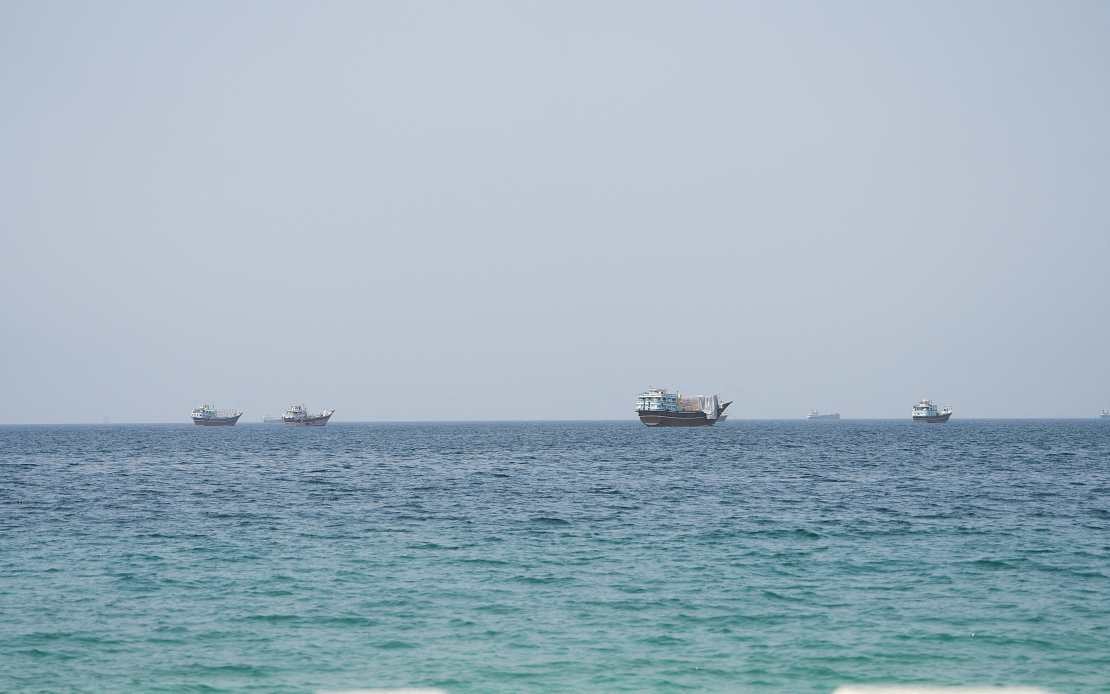
Negotiations between Iran and Oman over the future of maritime transit through the Strait of Hormuz have entered a constructive phase, with Tehran's Foreign Ministry confirming significant progress in bilateral discussions. Iranian Foreign Ministry spokesman Esmaeil Baqaei announced at a weekly press briefing that talks with Muscat are advancing smoothly, marking a modest diplomatic development in a region where tensions have repeatedly threatened one of the world's most critical energy chokepoints. The two countries have already reached consensus on a shipping traffic map, establishing the basic framework for how international vessels will navigate through waters that normally carry roughly one-third of all globally traded oil.
Baqaei indicated that the collaborative effort extends beyond merely plotting safe routes across the waterway. The negotiating teams are working to crystallise the remaining technical elements required for a comprehensive joint statement that would formalise their understanding. This phased approach suggests both governments recognise the complexity of the challenge, requiring careful attention to operational details that will ultimately determine whether the agreement functions effectively in practice. The spokesman emphasised that these discussions represent a straightforward bilateral exercise focused on maritime logistics rather than a broader political settlement, an important clarification given the fraught history of Strait tensions and external actor involvement.
Central to the emerging framework is the establishment of formal mechanisms designed to guarantee secure passage, environmental protection, and systematic responses to maritime criminal activity. Such institutional arrangements are vital given the Strait's vulnerability to disruption through piracy, smuggling, and militarised interference. The Iranian official also confirmed that fees and charges for shipping services will form part of the arrangement, suggesting that cost allocation has been a negotiating point and that both nations are considering how transit fees might be structured. These operational details may appear technical, but they carry significant implications for shipping companies operating through the Strait, particularly those flagged to states with tensions vis-à-vis either Iran or regional allies.
The overarching objective articulated by Tehran is establishing what officials describe as a durable understanding that guarantees comprehensive security throughout the waterway. This framing reveals Iran's strategic priority: transforming the Strait from a potential flashpoint into a predictably managed maritime zone. However, such aspirations must be situated within the broader context of recent escalations and the international dimensions of Strait politics. The Strait of Hormuz has been a recurring focal point of regional rivalry, with various actors attempting to assert influence over traffic flows and access.
These bilateral discussions occur against the backdrop of a wider diplomatic process that began in June when Iran and the United States reached a memorandum of understanding through intermediation by Pakistan and Qatar. That accord promised a graduated reopening of commercial navigation through the Strait and appeared initially to offer a pathway toward substantive resolution of the deadlock that had constrained shipping for months. However, the implementation process has stalled amid mutual accusations of non-compliance, with each side contending that the other has violated the agreement's stipulations. The situation underscores the fragility of arrangements when underlying political tensions remain unresolved.
Iran's insistence that the Strait will remain restricted until Washington lifts what Tehran characterises as a naval blockade of Iranian ports represents a significant conditionality that complicates the picture. This demand indicates that while Oman talks may succeed in producing a bilateral maritime protocol, the broader question of international shipping through the Strait remains contingent on United States-Iran relations. For Malaysian readers, this matters considerably given Malaysia's substantial maritime commerce and energy security interests. Any prolonged disruption of Strait traffic directly affects regional shipping costs, insurance premiums, and energy supplies.
The negotiation with Oman is particularly significant because the sultanate has long served as a quiet diplomatic bridge in the region, maintaining balanced relations with Iran and Saudi Arabia while enjoying credibility with Western powers. Oman's willingness to engage in this mediation reflects its commitment to regional stability and its commercial interest in maintaining the Strait's functionality. Successful bilateral arrangements between Iran and Oman might establish a template for broader multilateral agreements, or conversely, might reveal the limits of bilateral approaches when major powers hold conflicting strategic interests.
From a Southeast Asian perspective, the progression of these talks warrants careful monitoring. The Strait of Hormuz crisis has periodically affected global energy markets, creating ripple effects through regional economies dependent on predictable oil and gas pricing. Malaysia, as a maritime trading nation with significant exposure to global energy markets, benefits from any de-escalation that reduces Strait transit risks. Moreover, the diplomatic approach exemplified by Oman's mediation aligns with Southeast Asian preferences for dialogue-based conflict resolution and non-interference in internal disputes.
Baqaei also noted during the briefing that Iran's government has not yet finalised the composition and seniority level of its delegation to September's United Nations General Assembly session, with an announcement expected in coming weeks. This procedural matter may carry substantive significance, as the level of Iranian representation at the General Assembly could signal the government's diplomatic posture toward ongoing international negotiations, including discussions regarding the Strait of Hormuz and broader sanctions-related issues. The delegation's composition might offer insights into whether Tehran intends to pursue aggressive or conciliatory diplomatic messaging in the coming months.
The successful conclusion of Iran-Oman maritime talks would represent tangible progress in stabilising a region characterised by recurring tensions and competing strategic interests. However, the persistence of broader disputes between Iran and the United States suggests that comprehensive resolution of Strait access issues remains distant. For now, the constructive bilateral engagement between Tehran and Muscat offers modest hope that at least some aspects of this critical waterway's governance can be placed on a more stable footing, even if complete normalisation awaits resolution of deeper geopolitical conflicts.

