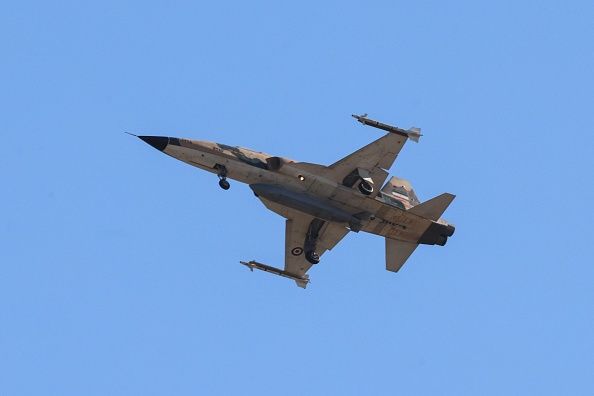
Iran has escalated a simmering diplomatic confrontation with both Qatar and Kuwait, demanding that Doha permit an Iranian fact-finding delegation to enter the country and conduct an independent investigation into the circumstances surrounding the deaths of Iranian military pilots. The standoff, which has festered for months without resolution, highlights the fragile security dynamics in the Gulf region and the deep mistrust between Tehran and its smaller Arab neighbours over the treatment of Iranian military personnel.
Mohammad Baqerzadeh, commander of the Committee for the Search for Missing Persons under Iran's Armed Forces General Staff, publicly called on Sunday for an immediate investigation team deployment to Qatar. Speaking through the semi-official Tasnim news agency, Baqerzadeh asserted that Iranian specialists have been waiting months for permission to enter Qatari territory, suggesting a pattern of obstruction by Doha that he characterized as deliberate and repeated.
The core dispute centres on an incident in March when Iranian military aircraft allegedly violated Qatari airspace. According to Qatar's account, the aircraft failed to respond to radio contact attempts from Qatari authorities. Qatar's search and rescue teams subsequently located the remains of one pilot and publicly stated they had attempted to coordinate the handover of the deceased with Iranian officials while inviting Tehran to review the details of their search operations. The Qatari government maintains it has been transparent about its findings and extended cooperation.
Iran's narrative fundamentally contradicts this account. Tehran asserts that Qatar is actively detaining living Iranian pilots—not merely recovering remains—and has been deliberately withholding information about their status and whereabouts. Baqerzadeh's statements imply that Qatari authorities are preventing the return of these personnel to Iranian soil, characterizing the situation as an unlawful detention rather than a recovery operation following an accident.
This framing carries significant political weight within Iran's security establishment. The Committee for Missing Persons operates under the direct authority of Iran's Armed Forces General Staff, giving Baqerzadeh's statements the weight of official military position. His public comments represent an escalation from quiet diplomatic channels to public pressure, signalling Tehran's frustration with the pace and substance of Qatari responses.
Baqerzadeh has now invoked the International Committee of the Red Cross, calling for urgent intervention from the Geneva-based humanitarian organization. This move represents a deliberate internationalization of the dispute, suggesting Iran is prepared to elevate the matter beyond bilateral negotiations. The ICRC's involvement would add a neutral third-party dimension to investigations and potentially legitimize Iranian demands for access and transparency.
The situation is further complicated by a parallel dispute involving Kuwait. Iran has accused Kuwait of similarly withholding information about four Iranian nationals whom Tehran identifies as Revolutionary Guards personnel. According to Iran's narrative, these four individuals were engaged in routine maritime patrol operations when navigation equipment malfunctions caused them to inadvertently cross into Kuwaiti territorial waters. Kuwait's version differs sharply: Kuwaiti authorities have characterized the four as suspects planning hostile actions against the state, suggesting intentional rather than accidental incursion.
This divergence in explanations reflects deeper geopolitical tensions. Iran views the detentions as violations of international maritime law and humanitarian norms, while both Qatar and Kuwait frame their actions as necessary security measures. The May incident involving Kuwait demonstrates that these confrontations are not isolated incidents but part of a broader pattern of mistrust and competing security narratives in the Persian Gulf.
For Malaysia and other Southeast Asian nations monitoring Gulf dynamics, this dispute underscores the volatile nature of Iranian-Arab relations and the absence of effective multilateral dispute resolution mechanisms in the region. The inability of neighbouring states to resolve personnel cases through diplomatic channels raises questions about broader confidence-building measures in a region already burdened by sectarian tensions, proxy conflicts, and competing regional powers.
The involvement of the Revolutionary Guards in the Kuwait case adds another layer of complexity, as these forces operate with considerable autonomy and are subject to international sanctions. Any resolution involving their personnel carries political implications that extend beyond simple humanitarian exchanges, touching on broader questions of Iran's military activities in the Gulf and regional states' security perceptions.
The unresolved status of these personnel also reflects the absence of formal diplomatic mechanisms that might facilitate clarity and resolution. Unlike major powers with established prisoner exchange protocols, Gulf states lack institutionalized frameworks for handling military personnel incidents. This vacuum allows disputes to fester, with each side maintaining incompatible narratives that prevent progress toward resolution or accountability.
Iran's call for Red Cross intervention suggests Tehran believes international pressure and neutral mediation offer better prospects than continued bilateral negotiations. Whether Qatar and Kuwait will welcome such involvement remains uncertain, as does the question of whether the ICRC would gain access sufficient to conduct meaningful investigations. The coming weeks will determine whether this escalation pushes the parties toward resolution or hardens existing positions further.

