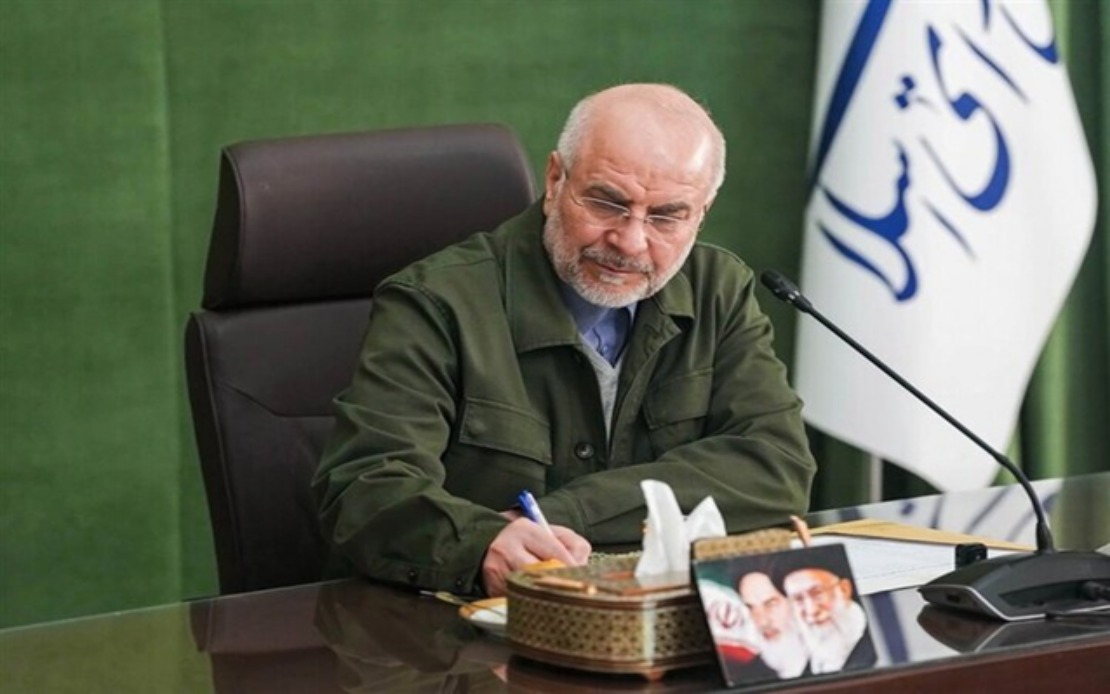
Tensions between Iran and the United States have reignited over the intended use of Tehran's recently unfrozen assets, with Iranian officials flatly contradicting American assertions about how the released funds should be deployed. Parliament Speaker Mohammad Bagher Ghalibaf, who doubles as one of Iran's principal negotiators, took to social media on Thursday to dismiss Washington's narrative, posting a pointed riposte that characterised US claims as fabricated while invoking decades of mistrust between the two nations. His intervention underscores how even modest points of contention can rapidly escalate into symbolic battles in an already fraught diplomatic environment.
The dispute centres on competing visions for the unfrozen capital, with the Trump administration having suggested that the funds should flow into an American-controlled escrow arrangement designated exclusively for purchasing US food and medical commodities. Vice President JD Vance introduced this concept on Monday, specifically mentioning soybeans, corn, and wheat as intended purchases. President Donald Trump amplified the claim two days later by asserting that the escrow mechanism would ensure the funds remained ringfenced for American agricultural and pharmaceutical supplies. From Washington's perspective, such conditions ostensibly guarantee that released Iranian assets contribute to the US economy while simultaneously preventing their alleged diversion toward activities deemed contrary to American strategic interests.
The Iranian response has been swift and unambiguous. Foreign Ministry spokesperson Esmaeil Baghaei articulated Tehran's position with clarity, stating that Iran retains absolute discretion in deploying unfrozen assets in accordance with its own national priorities, free from external constraints or stipulations. Baghaei further emphasised that any purchasing decisions would be predicated entirely upon conventional commercial considerations—namely, comparative pricing and product quality—rather than geopolitical considerations. This stance reflects a deeper Iranian conviction that accepting restrictions on the use of frozen assets would constitute a fundamental surrender of sovereignty, effectively allowing Washington to dictate how Iran manages its own resources.
Central Bank Governor Abdolnaser Hemmati provided additional nuance to Iran's negotiating position by acknowledging that while his nation harbours no inherent obligation to procure American agricultural goods, Iranian entities would remain willing to engage in such transactions provided that US offerings demonstrated genuine competitive advantage in cost-effectiveness. This formulation allows Tehran to preserve rhetorical space for purchasing American products without conceding to external pressure, thereby maintaining the appearance of autonomous decision-making even if market forces ultimately direct purchases toward US suppliers. Such carefully calibrated language typifies negotiating positions in high-stakes diplomatic encounters where both sides must satisfy domestic constituencies demanding intransigence.
These conflicting interpretations regarding asset utilisation represent a microcosm of broader strategic disagreements that continue to plague US-Iran relations despite tentative progress toward reconciliation. The two governments signed a memorandum of understanding on June 18 that theoretically commits them to pursuing a comprehensive agreement addressing Iran's nuclear programme and the broader sanctions architecture within a sixty-day window. Switzerland hosted the most recent round of substantive talks on Sunday and Monday, suggesting that both parties maintain sufficient engagement to warrant continued diplomacy. Yet the immediate emergence of discord over asset deployment demonstrates how fragile such arrangements remain and how readily symbolic issues can become obstacles to substantive negotiations.
For Malaysia and other Southeast Asian nations, this renewed quarrelling holds consequential implications regarding regional stability and global energy markets. Iran's oil and gas exports remain critical components of Asian energy security, and any escalation in US-Iran tensions inevitably reverberates through supply chains and commodity prices affecting the entire region. Malaysian companies with interests in Middle Eastern energy, petrochemicals, or finance must monitor these developments closely, as sudden shifts in American sanctions policy or Iranian counter-measures could necessitate rapid strategic adjustments. The unpredictability inherent in the current trajectory also complicates longer-term planning for regional integration initiatives and bilateral economic partnerships.
The fundamental disagreement over asset controls also reflects divergent philosophies regarding sanctions legitimacy and economic sovereignty. The American position implicitly assumes that the international community possesses authority to constrain how nations utilise their own resources, a doctrine that Iran—along with numerous other countries—vigorously contests. By proposing escrow arrangements and conditional asset releases, Washington attempts to maintain leverage even after ostensibly unfreezing funds, a gambit that Tehran views as fundamentally incompatible with genuine sanctions relief. This conceptual gulf suggests that even if technical negotiations produce interim agreements, the underlying contestation about principles and sovereign rights will persist.
The rhetoric employed by both sides also warrants scrutiny for what it reveals about negotiating intentions and domestic political constraints. Ghalibaf's invocation of historical grievances and his dismissal of American claims as deceptive suggest that Iranian negotiators face significant pressure from hardline constituencies sceptical of engagement with Washington. Similarly, the Trump administration's insistence on restrictive mechanisms may reflect American domestic concerns about appearing insufficiently vigilant toward Iranian activities. These domestic political dynamics frequently prove more determinative of negotiating outcomes than objective strategic considerations, meaning that even technically feasible compromises may founder upon domestic political objections.
Looking forward, the critical question becomes whether both sides can compartmentalise disagreements over specific asset deployment mechanisms from broader negotiations regarding nuclear constraints and sanctions architecture. History suggests that diplomatic processes frequently founder when interlocutors allow peripheral issues to metastasise into matters of principle. Should the unfrozen asset controversy escalate, it could poison the atmosphere sufficiently to derail progress on core nuclear issues. Conversely, if negotiators successfully isolate this disagreement and proceed with substantive nuclear discussions, the asset question might ultimately resolve through market mechanisms and pragmatic accommodation once overall frameworks achieve agreement.
The coming weeks will therefore prove instrumental in determining whether the June 18 memorandum proves a genuine turning point in US-Iran relations or merely another temporary respite in a cycle of escalation and de-escalation. The willingness of both sides to absorb symbolic losses and focus on substantive interests will determine whether the current diplomatic window produces durable agreements or collapses under the weight of accumulated grievances. For observers throughout Southeast Asia with stakes in regional stability, the trajectory of these negotiations merits close attention as an indicator of broader great power dynamics likely to shape the region's security environment and economic prospects throughout the coming decade.

