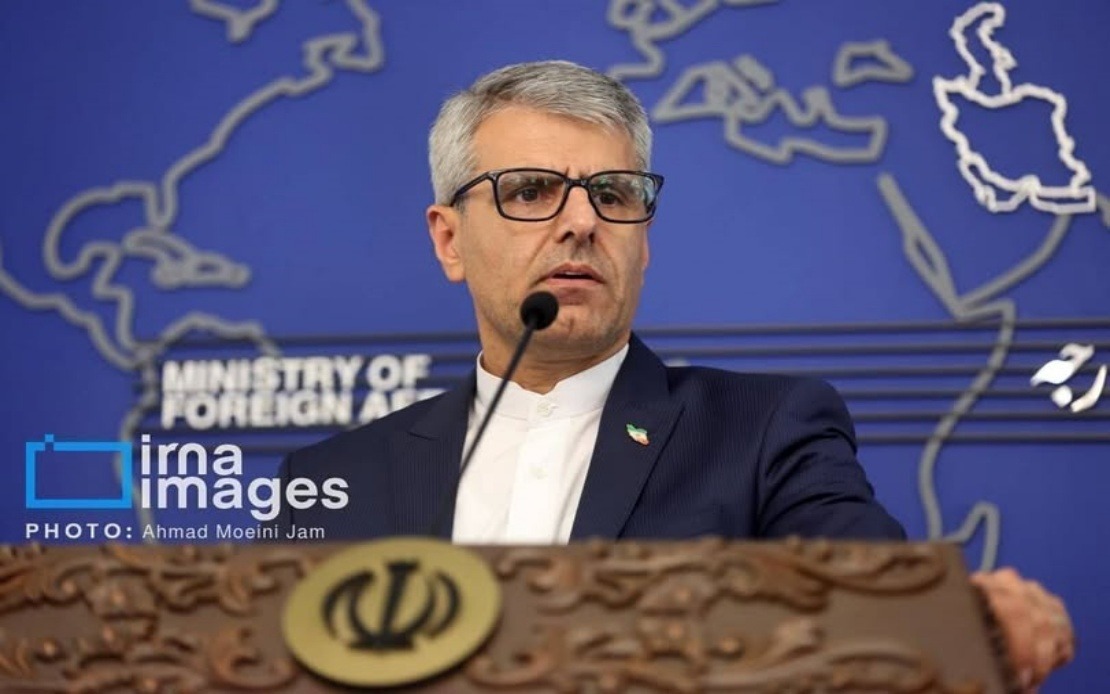
Tehran is pressing Washington to commit to a concrete timetable for Israeli forces to vacate Lebanese territory, positioning the withdrawal as a non-negotiable cornerstone of broader efforts to achieve regional peace. The demand, delivered through Iranian Foreign Ministry spokesman Esmaeil Baqaei during a news briefing in Istanbul on June 29, represents an escalation in Iran's diplomatic campaign to link Lebanon's sovereignty with the success of recent agreements between Tehran and Washington aimed at de-escalating Middle Eastern tensions.
Baqaei framed the issue in unambiguous terms, declaring that ending military operations by the Israeli military against Lebanon and the complete withdrawal of occupying forces from Lebanese territory must be resolved before any final, sustainable agreement on regional stability can take hold. This positioning underscores Iran's strategic interest in Lebanon, where Tehran maintains close ties with Hezbollah and other militant factions, and signals that Iranian negotiators view Lebanese territorial integrity as an essential component of their broader security architecture in the eastern Mediterranean.
The Iranian stance places considerable emphasis on what Tehran characterises as indispensable safeguards: the restoration of Lebanon's sovereignty, the preservation of territorial integrity, and guarantees protecting the security and dignity of all Lebanese citizens. By framing these demands in humanitarian and sovereignty-based language, Tehran attempts to reframe what might otherwise be viewed as sectarian posturing into a defence of international law and the principle of non-occupation. This rhetorical strategy carries particular significance in regional diplomacy, where appeals to sovereignty resonate across diverse constituencies.
Iran's negotiating position reflects a deliberate strategy of bundling multiple objectives into a single package. According to Baqaei, Tehran has consistently placed ending Israeli military operations in Lebanon on equal footing with halting military actions targeting Iran itself. This linkage appeared in both an April ceasefire understanding and a June 18 memorandum signed between the two countries, suggesting that Iranian leadership views the Lebanese question as central rather than peripheral to its engagement with the United States.
The Iranian Foreign Ministry spokesman specifically tasked Washington with enforcing Israeli compliance, declaring that the US must undertake measures to compel the Israeli government to cease all aggressive military operations across Lebanese territory. This framing implicitly questions whether Washington can or will exercise sufficient leverage over Israel to achieve Tehran's objectives, a concern likely resonating among other regional actors watching American commitment to implementation of various agreements.
Parliamentary Speaker Mohammad Bagher Qalibaf, who doubles as Iran's chief negotiator, amplified these demands during a telephone conversation with Lebanese Parliament Speaker Nabih Berri, indicating that Iran is pursuing the Lebanon question through both official diplomatic channels and direct engagement with Lebanese political leadership. Qalibaf emphasised that ending the Lebanese conflict ranks among the principal issues discussed during recent negotiations with American counterparts in Switzerland, underscoring the centrality of this matter to Iranian strategic calculations.
According to Iranian media accounts, Qalibaf indicated that Lebanese concerns formed the opening clause of what Tehran terms the Islamabad memorandum. When Iran objected to what it characterised as violations of this provision, negotiators agreed to establish a three-party conflict-control mechanism involving Iran, the United States, and Lebanon to oversee implementation. This institutional arrangement suggests deepening Iranian involvement in Lebanese security affairs and reflects Tehran's determination to embed monitoring mechanisms into any agreement.
Qalibaf articulated Iranian objectives in comprehensive terms: ending the war in Lebanon, facilitating the return of displaced populations to their homes, terminating what Iran describes as occupation, and securing the withdrawal of Israeli forces. This enumeration reflects Iran's efforts to embed humanitarian concerns alongside strategic objectives, linking the restoration of internally displaced persons with territorial questions and military withdrawal. For Malaysian policymakers and regional observers, this bundling of concerns illustrates how Middle Eastern actors attempt to construct negotiating positions that appeal to international law while advancing specific geopolitical aims.
The unfolding situation reflects broader tensions in the implementation of the fourteen-point understanding reached between Iran and the United States following weeks of regional military escalation and intensive diplomatic activity. As both countries navigate the practical implementation of this agreement, disagreements over priorities and timelines threaten to undermine the stability both sides ostensibly seek. Iran's public insistence on firm deadlines and explicit commitments suggests underlying anxieties that Washington may deprioritise Lebanese concerns as negotiations progress.
For Southeast Asian observers, including Malaysian analysts and policymakers, these developments carry implications extending beyond the immediate Middle Eastern context. The negotiations between Tehran and Washington reflect broader patterns in how major powers attempt to manage regional conflicts and how smaller states leverage their positions within regional alignments. Lebanon's experience illustrates vulnerabilities faced by countries situated within zones of great power competition, a concern directly relevant to Southeast Asian stability given regional maritime disputes and the presence of multiple external powers.
The Iranian demands also demonstrate how conflict resolution in the Middle East remains deeply interconnected with questions of state sovereignty and territorial integrity. Iran's insistence on linking Lebanon's fate with broader negotiations reflects the calculated use of multiple leverage points in diplomacy—a tactic that regional and extra-regional powers frequently employ. The American response to Tehran's demand for enforceable withdrawal timelines will likely determine whether the recent memoranda translate into substantive de-escalation or remain largely symbolic diplomatic gestures.
Moving forward, the success of the broader Iran-US understanding may ultimately depend on whether both parties can align their priorities regarding Lebanon and establish credible enforcement mechanisms. Iran's public reiteration of these demands suggests that Tehran views the Lebanon question as non-negotiable, potentially creating friction if the United States prioritises other regional concerns or proves unwilling to exert sustained pressure on Israel. This dynamic will merit close observation from regional capitals seeking stability in one of the world's most volatile geopolitical zones.

