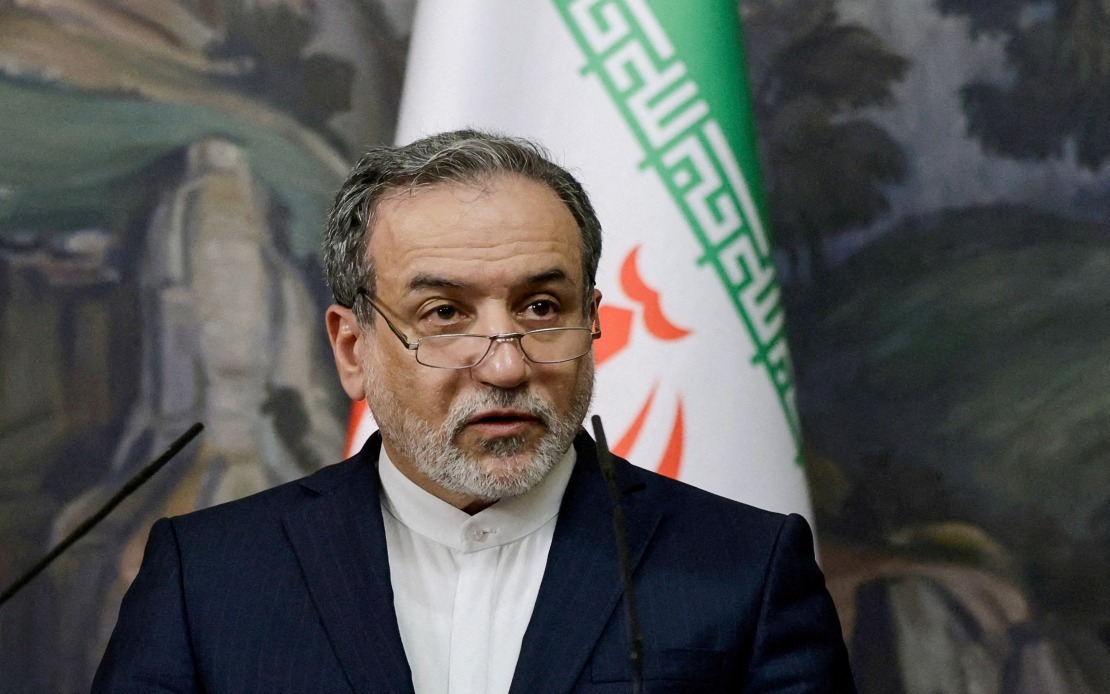
Iran has not yet determined whether to return to the negotiating table with the United States, according to Foreign Minister Abbas Araghchi, who was careful to distinguish between ongoing diplomatic communications and any actual resumption of formal talks. Speaking to Iran's ISNA news agency in Istanbul on August 15, Araghchi sought to clarify the nature and purpose of continued contacts between Tehran and Washington, insisting that messages being exchanged through intermediaries—particularly Qatar and Pakistan—should not be construed as indicating a shift in Iran's negotiating stance.
The clarification comes amid reports that a 60-day ceasefire framework established under the Islamabad memorandum, which was agreed upon in June as a peace accord mediated by Pakistan, requires an extension or formal renewal. Araghchi rejected this characterization, drawing a critical distinction between what he described as a comprehensive end to hostilities and a time-limited ceasefire arrangement. This semantic precision reflects the high-stakes nature of messaging in negotiations involving regional powers, where seemingly minor definitional disputes can carry substantial diplomatic weight and signal broader intentions.
According to Araghchi's account, the June framework provided for the termination of armed conflict rather than merely a temporary suspension of hostilities. He argued that the 60-day window outlined in the Islamabad memorandum was never intended as a ceasefire duration but rather as a negotiating window during which both parties could work toward a permanent settlement. This interpretation directly challenges the narrative of reports suggesting that the agreed timeframe is expiring and requires formal extension, a distinction that carries legal and diplomatic implications for how subsequent actions might be understood.
The Foreign Minister further asserted that the United States has violated the terms of the Islamabad memorandum, leading to a resumption of conflict. From Iran's perspective, this breach has invalidated any claim that the 60-day period constitutes a binding ceasefire arrangement requiring renewal. Instead, Iran views the framework as compromised by American non-compliance, effectively placing responsibility for any breakdown in negotiations squarely on Washington's shoulders. This framing is significant for international observers seeking to understand Iran's negotiating posture and potential flexibility in future diplomatic engagement.
Regarding the ongoing contacts through intermediaries, Araghchi emphasized that Qatar and Pakistan continue to serve as message carriers, with both nations remaining engaged in facilitating communication between Tehran and Washington. However, he stressed unequivocally that these exchanges should not be misinterpreted as representing a decision to resume negotiations or as indicating movement toward renewed talks. The distinction is crucial for understanding Iran's current diplomatic strategy, as it allows for continued communication channels while maintaining negotiating leverage by withholding any formal commitment to return to the table.
Separate from any discussions concerning the United States, Iran is pursuing technical negotiations with Oman that address specific maritime concerns in the Persian Gulf region. These talks focus on designing new shipping routes through the Strait of Hormuz, reflecting practical responses to geopolitical realities that have rendered historical maritime passages unsuitable for continued use. Araghchi clarified that experts from both nations, alongside Iranian military personnel, are involved in this technical planning process, suggesting both the complexity and the sensitivity of the maritime arrangements being negotiated.
The negotiations with Oman represent a compartmentalized approach to regional problem-solving that separates maritime logistics from broader political confrontation with the United States. Araghchi stressed that designing alternative shipping lanes through the Strait of Hormuz is fundamentally a technical exercise aimed at establishing temporary routes that could eventually become permanent fixtures of regional maritime commerce. This practical engineering focus distinguishes these talks from strategic-level negotiations that might determine whether the strait itself remains open or closed to international shipping.
Crucially, Araghchi drew another important distinction regarding the broader implications of the shipping lane negotiations. He warned against conflating technical discussions about maritime routes with any decision concerning the reopening of the Strait of Hormuz itself. According to the Foreign Minister, determining whether the vital waterway—through which much of the world's oil passes—remains accessible to international traffic depends on whether the United States fulfills additional conditions that Iran has established. This formulation suggests that Iran views control over the strait as a leverage point in its broader confrontation with Washington.
The positioning of the strait's status as conditional on American compliance represents a significant bargaining tool, as closure or disruption of traffic through the Hormuz passage would have immediate and severe consequences for global energy markets and international commerce. For Malaysia and other Southeast Asian economies heavily dependent on oil imports and regional trade, the fate of the Strait of Hormuz carries direct implications for energy security and economic stability. Any escalation that threatens the waterway's accessibility would reverberate throughout the region's supply chains and petroleum-dependent industries.
Iran's carefully calibrated messaging reflects a negotiating strategy that maintains multiple pressure points while avoiding irreversible commitments that might limit future flexibility. By distinguishing between technical maritime talks with Oman, mediated communications through intermediaries, and any actual return to formal negotiations with the United States, Tehran is signaling that it retains agency and leverage while keeping diplomatic doors nominally open. For regional observers, this posture suggests that any breakthrough in Iran-US relations remains distant, while the technical and practical dimensions of regional cooperation continue operating on parallel tracks.
The implications for Southeast Asia extend beyond energy security to encompass broader questions about regional stability and the potential for escalation in the Middle East. Malaysia, as both a maritime nation with significant interests in international shipping and a Muslim-majority country with diplomatic relationships across the region, faces potential consequences should Iran-US tensions intensify. The continued ambiguity regarding whether negotiations will resume means that uncertainty will likely persist regarding the long-term trajectory of regional geopolitics and the security of critical international waterways.
Looking forward, Araghchi's statements suggest that any return to substantive negotiations between Iran and the United States will require explicit decisions that have not yet been made in Tehran. The current phase appears to involve maintaining communications through intermediaries while preserving Iran's negotiating position and withholding any appearance of eagerness to resume talks. For international partners and neighboring states seeking clarity about the direction of Middle Eastern politics, this Iranian approach offers limited reassurance, leaving room for miscalculation or unexpected escalation.

