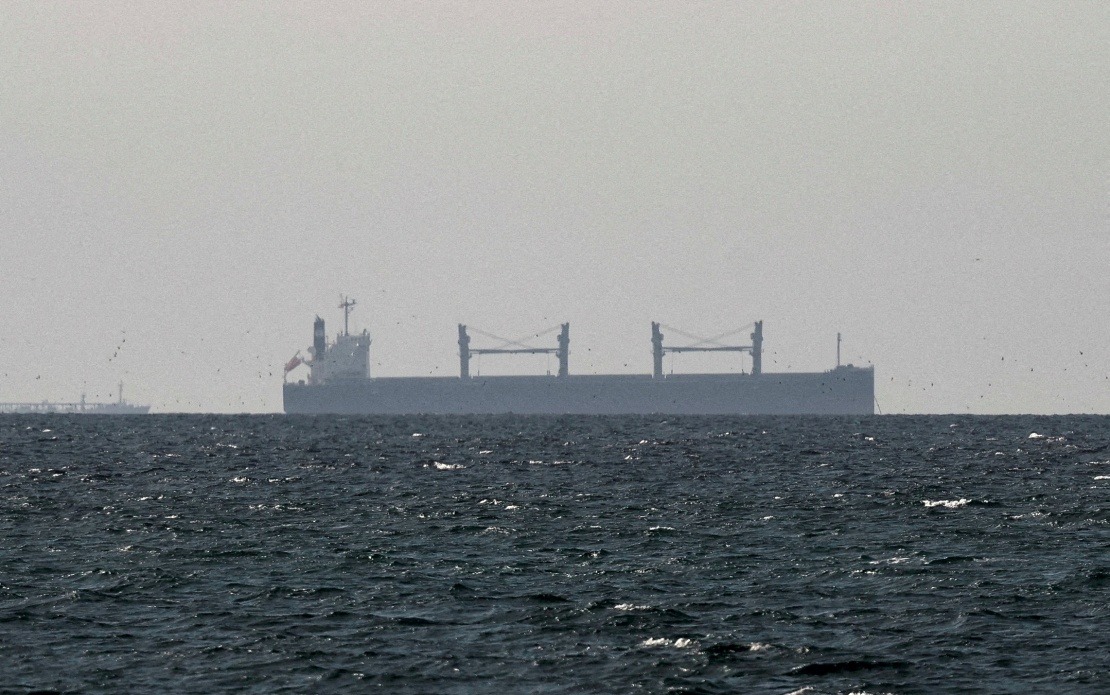
Two oil tankers have reportedly caught fire in the strategically vital Strait of Hormuz after striking mines, according to allegations made by Iran's Islamic Revolutionary Guard Corps on Friday. The IRGC Navy issued a formal statement through Iran's Fars News Agency detailing the incident, though independent verification of the claims remains unavailable at this time. The military authority alleged that United States intelligence services had encouraged the vessels to navigate through the area earlier that same day, adding a geopolitical dimension to what might otherwise be characterized as a maritime accident.
The Strait of Hormuz represents one of the world's most economically significant maritime chokepoints, serving as the passage through which a substantial portion of global crude oil and liquefied natural gas supplies transit between the Persian Gulf and international markets via the Gulf of Oman and Arabian Sea. Any disruption to traffic through this waterway carries immediate implications for energy prices and supply chains worldwide, making claims about its closure particularly consequential for global energy security and economic stability.
The IRGC's announcement omitted several critical details that would normally accompany such a significant incident. The military did not identify which tankers were involved, declined to specify their flags or ownership details, and provided no information regarding potential casualties or the extent of damage sustained. This absence of specifics raises questions about the veracity and substance of the claims, particularly given the lack of corroborating evidence from maritime authorities, shipping companies, or international observers.
Threatening language accompanied the IRGC's account of events. Iranian military officials declared the Strait of Hormuz "extremely unsafe" and "completely closed" to international maritime traffic, warning that all exports of oil, natural gas, and chemical fertilisers from the broader region would remain suspended until US military operations in the area terminated. Commercial vessels received explicit warnings against attempting passage through the waterway, with authorities cautioning that any such attempts would result in damage to ships and potential loss of life for crew members.
The broader context surrounding this incident reflects a sharp deterioration in US-Iran relations despite recent diplomatic initiatives. Last month, Pakistan brokered a memorandum of understanding between Washington and Tehran intended to establish a framework for ending conflict and achieving lasting peace. However, that agreement appears to have failed to prevent ongoing military confrontations, with both parties continuing to conduct operations that the other characterizes as hostile or provocative.
The Strait of Hormuz has emerged as a flashpoint in this renewed tension, with competing claims about who bears responsibility for instability in the region. The IRGC's positioning of the waterway as dangerous due to US military presence directly contradicts American assertions about Iranian activities there. Both narratives deserve scrutiny, but the absence of independent confirmation makes assessment difficult for outside observers assessing responsibility or calculating actual risk.
For Malaysia and other Southeast Asian economies, developments in the Strait of Hormuz carry substantial implications. Many regional nations depend heavily on stable energy supplies through this corridor, and any genuine blockade or sustained conflict in the area would disrupt fuel imports and increase energy costs across Asia-Pacific economies. The potential for regional energy prices to spike following unresolved tensions in the Middle East represents a significant concern for Malaysian policymakers and businesses.
The tanker shipping industry operates under considerable pressure in this environment. Companies must weigh the commercial opportunities available through the Strait against the genuine risks posed by military activity, mine deployment, or hostile operations. Insurance premiums for vessels transiting through these waters have already been rising, and any sustained closure would force shippers to navigate around Africa—adding weeks to journeys and substantially increasing operational costs that ultimately reach consumers.
The credibility of both the IRGC's claims and any counter-claims from Western sources requires careful examination. The lack of independent verification creates a information vacuum that both sides exploit for strategic messaging purposes. Maritime authorities, shipping companies, and neutral observers typically provide more reliable accounts than interested parties to regional conflicts, and their silence on this incident suggests either that something significant occurred but details remain unclear, or that the claims contain substantial exaggeration.
Regional stability depends on de-escalation mechanisms that appear increasingly fragile. The Pakistan-brokered agreement demonstrates that diplomatic efforts continue, yet ongoing military confrontations suggest those efforts have not yet produced meaningful behavioural change. Without genuine commitment from both Washington and Tehran to honour the memorandum's provisions, the Strait of Hormuz will likely remain a zone of contestation and uncertainty for months ahead.
The international maritime community will be watching closely for further incidents or clarifications from the parties involved. Any sustained disruption to shipping through the Strait would trigger immediate responses from energy markets and could necessitate emergency meetings of major energy-consuming nations. Malaysia, as a significant importer of Middle Eastern oil and a major Southeast Asian economy, should monitor this situation closely and consider its contingency plans for supply disruptions.

