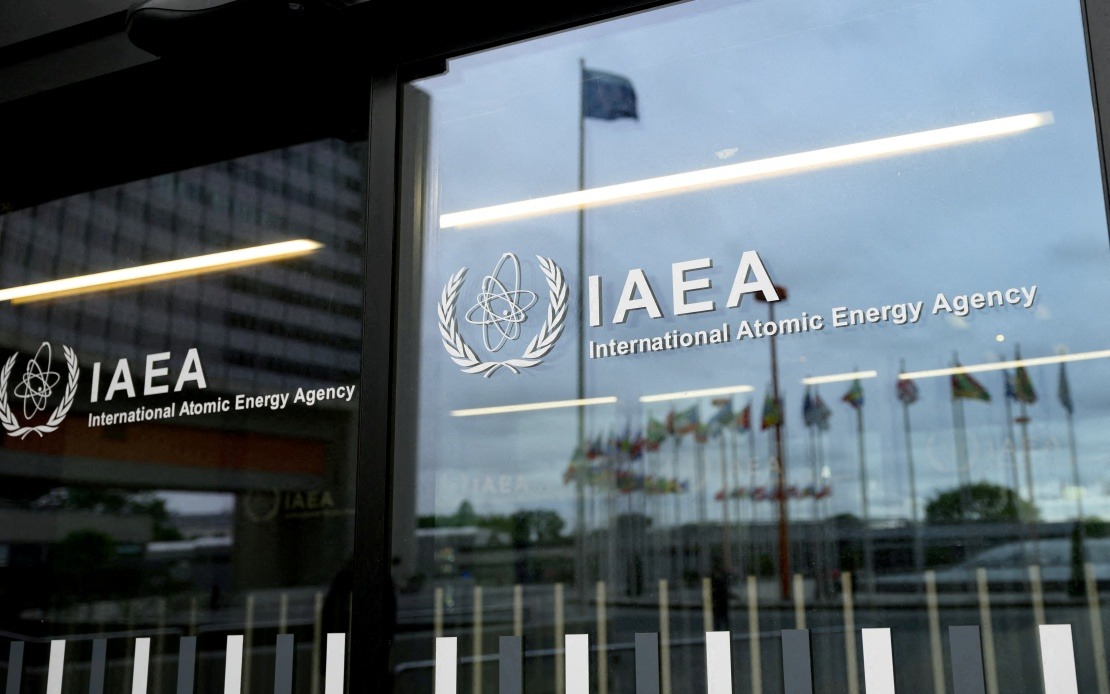
Iran's position on nuclear transparency has hardened considerably, with senior diplomatic officials now conditioning International Atomic Energy Agency access to the country's atomic installations on completion of broader negotiations with Washington. Deputy Foreign Minister Kazem Gharibabadi stated on Wednesday that Iran maintains no intention of permitting IAEA inspections at facilities that sustained damage from recent military strikes, rejecting what many observers view as a standard verification mechanism in nuclear diplomacy. This stance represents a significant departure from typical confidence-building measures that typically precede final settlements, raising questions about Iran's commitment to the negotiating framework recently established with the United States.
The Iranian government's willingness to discuss nuclear matters stems from a memorandum of understanding signed on June 18 between Tehran and Washington, which establishes a 60-day window for finalising a comprehensive agreement addressing Iran's nuclear programme and the extensive economic sanctions regime imposed by the United States. Gharibabadi's comments underscore Tehran's strategy of linking nuclear transparency directly to concrete American actions, specifically the elimination of all sanctions affecting Iran's economy. This sequencing reflects long-standing Iranian grievances about previous nuclear agreements, wherein constraints on nuclear activities proceeded without corresponding sanctions relief, creating asymmetrical obligations that Tehran perceived as fundamentally inequitable.
The refusal to permit IAEA inspections before a final deal crystallises one of the central tensions in revived Iran-US negotiations. International Atomic Energy Agency Director General Rafael Grossi had indicated the agency would conduct inspections based on the recently-signed memorandum, interpreting the agreement as establishing frameworks for renewed monitoring activities. However, Gharibabadi's statement makes clear that Iran views the preliminary accord as establishing negotiating parameters rather than substantive commitments to verification procedures. This interpretive gap underscores how both parties approach the 60-day negotiation window with fundamentally different understandings of what preliminary agreements entail.
Combating this diplomatic disconnect, Gharibabadi explicitly denied that Iran's negotiating delegation had met with Grossi in Switzerland during recent days, despite the IAEA chief's apparent requests for such engagement. The absence of direct communication between Iran's nuclear negotiators and the organisation responsible for monitoring global nuclear programmes introduces uncertainty about whether the agency possesses sufficient information to conduct meaningful inspections. For regional observers monitoring Iran's nuclear trajectory, this communication breakdown signals potential complications in establishing the verification protocols that typically form the backbone of nuclear settlements.
Iran's three principal nuclear complexes at Fordow, Natanz and Isfahan suffered significant damage during military operations last month. The United States and Israel conducted extensive strikes targeting Iranian nuclear and military installations, following heightened regional tensions that escalated dramatically since February 28. These sites have become focal points of international scrutiny and military action, with their operational status directly affecting assessments of Iran's nuclear advancement. The physical destruction of these facilities raises practical questions about what the IAEA would inspect, though Iran's resistance to inspections suggests the condition of these sites remains a secondary concern compared to its negotiating leverage.
The June 18 memorandum established the framework within which negotiations are unfolding, with the first substantive round conducted in Switzerland over the weekend. Both delegations reportedly engaged in discussions regarding the pathways toward a final agreement, though public statements from either side have remained characteristically guarded. Iran's immediate rejection of interim transparency measures suggests that Tehran enters these negotiations from a position emphasising maximalist demands, potentially signalling an expectation that Washington will need to make substantial concessions to secure even basic verification arrangements.
For Malaysia and Southeast Asian nations with energy security interests dependent on Persian Gulf stability, Iran's negotiating posture carries implications extending beyond nuclear verification frameworks. The durability of any Iran-US settlement depends substantially on establishing mutual confidence through transparent mechanisms, yet Iran's conditioning of inspections on sanctions removal potentially extends the timeline for achieving such confidence. Prolonged negotiations or breakdown in talks could reignite regional volatility affecting shipping lanes and energy markets that Southeast Asian economies depend upon significantly.
The positioning adopted by Iranian diplomacy reflects lessons drawn from previous agreements, particularly the 2015 Joint Comprehensive Plan of Action, which Iran claims the United States violated by reimposing sanctions unilaterally in 2018. Gharibabadi's insistence that sanctions elimination must accompany any agreement addressing nuclear access demonstrates how historical grievances continue shaping current negotiating tactics. From Iran's perspective, transparency without sanctions relief represents a perpetuation of asymmetrical arrangements that previously proved disadvantageous to Tehran's economic interests and national dignity.
Grossi's apparent readiness to conduct inspections based on the preliminary memorandum suggests the IAEA anticipates a negotiating environment where verification measures proceed incrementally alongside political agreements. However, Iran's explicit rejection of this approach creates friction between international monitoring requirements and Tehran's strategic preferences. This tension between institutional expectations and state-level negotiating positions will likely define the character of the coming 60-day negotiation period, determining whether both parties can construct agreements satisfactory to their respective constituencies while maintaining credible verification mechanisms.

