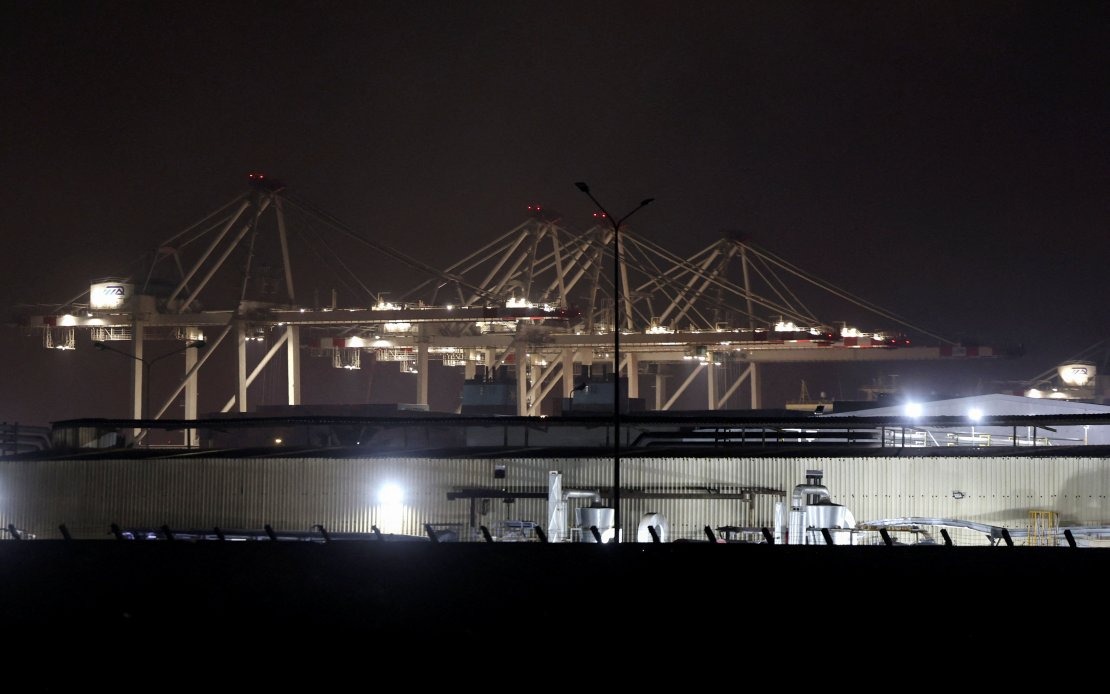
Iran's Foreign Minister Abbas Araghchi has issued a sharp warning about alleged Israeli false-flag operations following a drone attack that ignited fires aboard two gas vessels docked at Egypt's Damietta Port on the Mediterranean coast. Speaking through the X platform on Thursday, Araghchi framed the incident within a broader narrative of regional instability, suggesting that such operations are designed to destabilise peace efforts across the Middle East and undermine cohesion among Muslim-majority nations.
Araghchi's statement carries particular weight given Iran's historical role in regional geopolitics and its vested interest in maintaining Egypt's stability. By characterising Egypt as an "important friend and partner in the region," the Iranian foreign minister underscored the strategic relationship between Tehran and Cairo, signalling that any threat to Egyptian security resonates directly with Iranian interests. This framing extends beyond mere diplomatic courtesy; it reflects the profound interconnection between Iranian and Egyptian interests in maintaining a balance of power in the eastern Mediterranean and the broader Middle East.
The foreign minister's language regarding "false-flag operations" is particularly significant in the current geopolitical climate. False-flag tactics, whereby one party stages an attack and attributes it to an adversary, represent a recognised destabilisation tool that has been employed throughout Middle Eastern conflicts. By pre-emptively warning against such operations, Araghchi may be attempting to establish a narrative framework that shapes international interpretation of the Damietta incident and subsequent regional developments.
Egyptian authorities have taken a measured approach to the investigation, with Prime Minister Mostafa Madbouly announcing early Thursday that officials had recovered drone wreckage from the scene and were conducting thorough security analysis. Notably, Madbouly emphasised that Cairo's conclusions would rest upon factual evidence rather than speculation or external pressure, a statement that implicitly signals Egyptian independence in determining the attack's origins. This cautious stance reflects Egypt's complex position as a nation with significant interests across multiple regional alignments.
Initial Egyptian investigations have confirmed that a drone caused the fires aboard the two gas vessels, though authorities have noted that no group has claimed responsibility for the attack. This absence of claims is itself significant; it complicates attribution and leaves space for competing narratives to emerge. The ongoing nature of the investigation suggests that Egypt intends to conduct a thorough analysis before making any definitive public statements about who orchestrated the strike.
The timing of Araghchi's remarks, delivered a day after the Damietta incident, demonstrates how rapidly security incidents in this region generate broader geopolitical responses. For Malaysian observers and policymakers, the incident illustrates the volatile nature of Middle Eastern tensions and their potential to escalate through cycles of attack and counter-accusation. The Damietta Port serves as a critical maritime hub, and any sustained instability affecting Egyptian ports carries implications for global maritime commerce and energy security.
Iran's invocation of "Muslim solidarity" in this context reflects a long-standing Iranian diplomatic strategy of positioning itself as a defender of Islamic interests against perceived external threats. This rhetorical approach seeks to mobilise broader support within the Muslim world for Iranian positions on regional conflicts. For Southeast Asian nations like Malaysia, which maintain diverse relationships across the Middle East, such appeals require careful navigation to preserve bilateral relationships and commercial interests.
The incident at Damietta Port also raises questions about maritime security in the eastern Mediterranean and the Red Sea corridor. These waterways represent critical arteries for global trade, and disruptions caused by drone attacks or maritime tensions can have cascading economic effects. The strike on commercial vessels raises concerns about the vulnerability of critical infrastructure to drone warfare, a development that has become increasingly prominent in recent years across multiple Middle Eastern theatres.
Egypt's position as a linchpin between African, Mediterranean, and Middle Eastern geopolitics means that security challenges affecting Egyptian territory inevitably attract international attention. The Suez Canal and related maritime infrastructure represent global strategic assets, and stability along Egypt's coast remains vital for international commerce. Iran's statement, despite its accusatory tone toward Israel, implicitly acknowledges this reality by emphasising the importance of Egypt's security to regional equilibrium.
The absence of any claim of responsibility for the Damietta attack introduces uncertainty into regional calculations. Historically, drone strikes in the Middle East have been attributed to state and non-state actors, yet the attribution process often remains contested. This ambiguity creates space for competing interpretations and risks escalating tensions if different parties reach contradictory conclusions about the strike's origins. Egypt's commitment to evidence-based investigation suggests Cairo is aware of these risks and seeks to avoid premature conclusions that might trigger broader regional conflict.
For Malaysia's foreign policy establishment, the Damietta incident and the surrounding diplomatic statements underscore the interconnected nature of Middle Eastern security challenges. Despite geographical distance, Malaysian interests in regional stability, maritime commerce, and balanced relationships with key regional players mean that such incidents warrant close monitoring. The pattern of escalating tensions in the eastern Mediterranean and the Red Sea region affects global energy prices, insurance premiums for maritime trade, and the broader security environment affecting nations with significant Middle Eastern interests.
Araghchi's warning about false-flag operations reflects Iran's broader strategic concern about narrative control in Middle Eastern conflicts. By establishing this framing early, Iran attempts to pre-empt potential Israeli attributions and shape how the international community interprets both the immediate incident and future similar events. This battle over narrative and attribution will likely dominate diplomatic discussions in coming days, with significant implications for regional stability and international responses to maritime security threats in the eastern Mediterranean.

