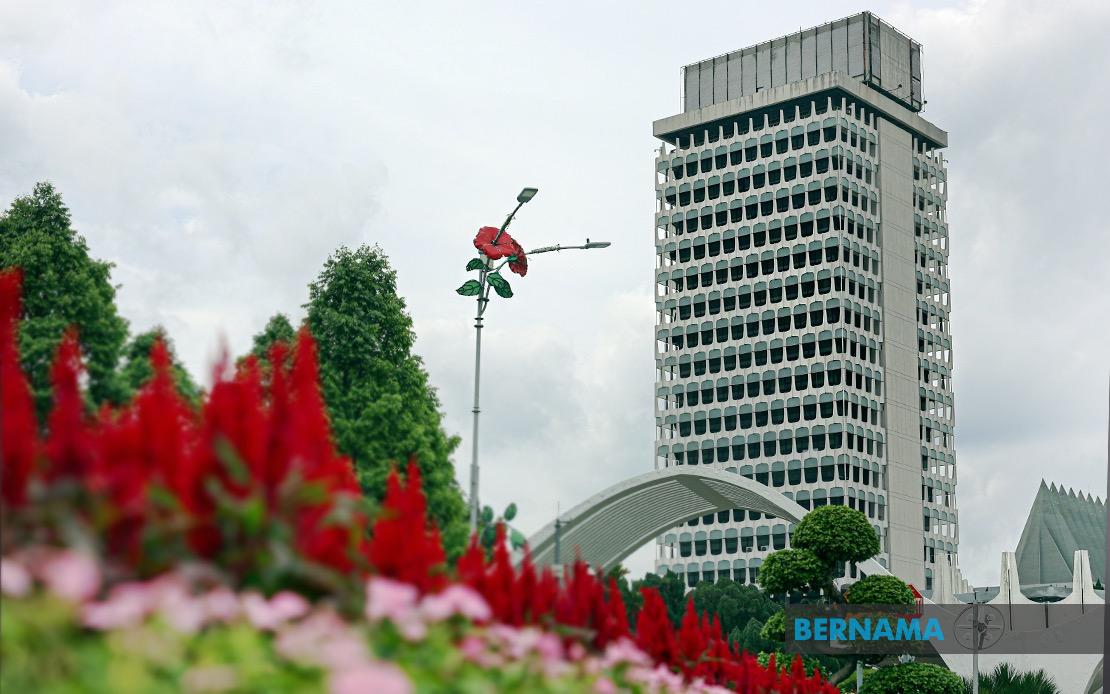
Malaysia's Dewan Rakyat convened today with a packed agenda addressing critical infrastructure and fiscal concerns that directly affect millions of citizens. Among the pressing matters tabled for discussion are recurring complaints about internet service disruptions affecting mobile users nationwide, alongside growing concerns about the financial toll of geopolitical tensions on the government's fuel subsidy programme. The parliamentary sitting, which runs through July 16, reflects mounting pressure on the government to tackle both domestic connectivity problems and the economic headwinds created by regional instability.
Datuk Anyi Ngau, the GPS member for Baram, is pressing the Communications Minister to provide details on the Malaysian Communications and Multimedia Commission's (MCMC) strategy to resolve a vexing problem that has frustrated countless Malaysians: the phenomenon of mobile devices displaying full signal strength while internet connectivity remains completely unavailable. This paradox, which often occurs during peak usage periods or in certain geographic pockets, undermines business continuity for remote workers and small enterprises, and has become a recurring complaint in online forums and social media. The MCMC's response will be closely watched by telecommunications industry observers and consumers who have grown impatient with service inconsistencies across major network operators.
The fuel subsidy question represents an even more significant economic concern. Mohd Syahir Che Sulaiman, a Perikatan Nasional legislator from Bachok, is demanding that the Finance Minister provide the latest government assessment of how the ongoing West Asia conflict is inflating Malaysia's fuel subsidy bills. This question touches on a delicate fiscal issue: as global crude oil prices fluctuate in response to regional tensions, Malaysia's commitment to maintaining fuel price caps for consumers creates an expanding gap between market rates and subsidised retail prices. The legislator is specifically asking how this mounting expenditure might compromise the government's target for the annual fiscal deficit, a key indicator of economic health that investors and rating agencies scrutinise closely.
The intersection of geopolitical risk and domestic fiscal policy is particularly relevant for Malaysia, an oil-importing nation that maintains substantial fuel subsidies to protect lower-income households and support the transport and logistics sectors. Any significant spike in global crude prices driven by Middle Eastern tensions directly flows into government coffers as foregone revenue. This dynamic has forced policymakers to balance competing priorities: protecting consumers from price shocks while maintaining macroeconomic stability and avoiding unsustainable deficit levels that could jeopardise the country's credit standing.
Another critical livelihood issue emerges in a question from Jamaludin Yahya, the Perikatan Nasional member for Pasir Salak, who is asking the Finance Minister about measures to help Malaysia's growing informal workforce access home financing. The question specifically targets self-employed individuals, small traders, hawkers, and gig workers who struggle to secure first mortgages because they lack the traditional salary documentation that banks typically require. This reflects a structural challenge in Malaysia's financial sector: as the economy increasingly shifts toward freelance and non-permanent work arrangements, banking institutions have been slow to develop alternative credit assessment methodologies. Greater financial inclusion in the housing market could unlock significant economic benefits, particularly in helping emerging middle-income earners build wealth through property ownership.
Gender and family welfare concerns also feature prominently on the parliamentary agenda. Yeo Bee Yin, the Pakatan Harapan legislator for Puchong, is seeking confirmation from the Women, Family and Community Development Minister regarding the government's readiness to establish comprehensive regulatory oversight of confinement centres, facilities where women receive postpartum care according to traditional practices. Her question implies concern about whether existing frameworks adequately protect vulnerable clients in an industry that currently operates with minimal statutory oversight. The question suggests a growing recognition that these facilities, while culturally significant, require modern safety standards, hygiene protocols, and professional accountability mechanisms to ensure client welfare.
Following the question-and-answer session, parliament will move to the crucial second reading of two telecommunications bills. The Communications and Multimedia (Amendment) Bill 2026 and the Malaysian Communications and Multimedia Commission (Amendment) Bill 2026 both underwent their first reading on July 13. These legislative measures are expected to modernise Malaysia's communications regulatory framework, though the specific amendments remain a subject of industry speculation and advocacy group scrutiny. Given the timing alongside questions about internet service reliability, these bills may address regulatory gaps that have allowed inconsistent service quality across operators.
The convergence of these parliamentary items illustrates how Malaysia confronts multiple simultaneous pressures: ageing infrastructure requiring modernisation, exposure to global economic volatility, fiscal sustainability challenges, evolving labour market dynamics, and consumer protection gaps in emerging service sectors. The government's responses will reveal its priorities and capacity to address these interconnected challenges.
For Malaysian consumers and businesses, the parliamentary focus on internet reliability and fuel subsidy sustainability carries immediate practical implications. Unreliable mobile broadband undermines productivity and competitiveness, particularly for the small and medium enterprises that form the backbone of the Malaysian economy. Conversely, uncontrolled fuel subsidy growth crowds out government spending on education, healthcare, and infrastructure development, creating long-term structural constraints on economic growth and living standards.
The parliamentary sitting also symbolises the enduring relevance of traditional legislative scrutiny in a context of rapid economic and technological change. Even as Malaysia grapples with sophisticated challenges like the macroeconomic impacts of geopolitical conflict or the regulatory gaps created by digital economy growth, the Dewan Rakyat remains the primary forum where elected representatives hold the executive accountable and raise constituent concerns. How ministers respond to these questions will shape public perception of government responsiveness and competence.

