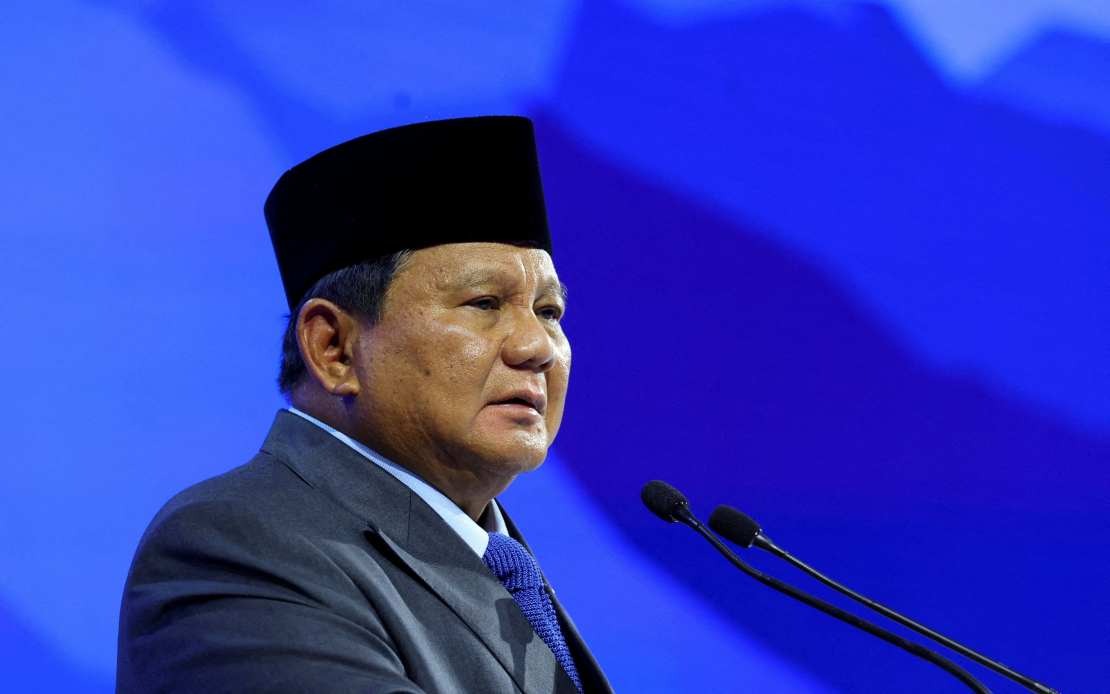
President Prabowo Subianto delivered an upbeat assessment of Indonesia's escalating battle against forest and land fires on Tuesday, signalling that months of environmental devastation could be approaching resolution. Speaking at the launch of the nation's ambitious 100-gigawatt solar power programme in Jembrana, Bali, he indicated that ground-based efforts have begun stemming the spread of fires in multiple localities. The president expressed confidence that complete containment might be achieved within a fortnight, though he cautioned that sustained vigilance remains essential given volatile weather patterns affecting the archipelago.
The scale of the government's mobilisation underscores the severity of the crisis sweeping across vulnerable provinces. Authorities have positioned dozens of helicopters and more than a dozen fixed-wing aircraft to conduct water-bombing operations over burning regions. Ground teams have established hundreds of water wells and pump stations to support local firefighting efforts, whilst personnel numbers have swelled into the thousands. This coordinated deployment represents one of Indonesia's most substantial environmental emergency responses, reflecting the existential threat posed by uncontrolled land and forest fires to regional air quality, carbon emissions, and economic activity across Southeast Asia.
Prabowo's optimism, however, must be contextualised within the region's climatic realities. The president specifically attributed the current fire situation to an exceptionally powerful El Niño phenomenon forecast among the strongest recorded in modern meteorological history. This climatic event has intensified drought conditions across Indonesia, particularly in Kalimantan and Sumatra, where peatland fire risk reaches critical levels. The correlation between major El Niño episodes and Indonesian fire seasons is well-established, suggesting that environmental conditions may continue complicating containment efforts despite aggressive intervention. The president's cautionary remarks about remaining vigilant against weather-related risks indicate recognition that the timeline for full resolution remains contingent on meteorological cooperation.
The presidential commitment reflects direct personal engagement with the crisis. Prabowo travelled to West and Central Kalimantan last Saturday to inspect active firefighting operations and assess ground conditions firsthand. He subsequently proceeded to Sumatra on Monday, demonstrating executive-level oversight of regional disaster management efforts. This hands-on approach contrasts with previous fire seasons when political distance from affected communities sometimes delayed substantive responses. Such visible presidential involvement carries symbolic weight for populations enduring hazardous air quality and ecological devastation, though it also signals the political stakes associated with forest fire management in Indonesia.
The firefighting emergency arrives amid a broader pattern of natural disasters testing Indonesia's disaster response infrastructure. Just earlier this month, a magnitude 7.7 earthquake devastated the Flores region in East Nusa Tenggara on August 15, claiming 103 lives and leaving 1,666 injured. According to the National Disaster Management Agency, 185,131 people remained displaced as of Tuesday afternoon. The seismic event triggered 7,029 recorded aftershocks, including 141 tremors perceptible to residents, compounding anxiety across already traumatised communities. Prabowo contrasted the government's rapid response to both the NTT earthquake and recent Aceh disasters, emphasising that institutional capacity now enables simultaneous management of multiple catastrophes across geographically dispersed regions.
For Malaysian policymakers and environmental observers, Indonesia's fire crisis carries direct implications. Transboundary haze from Indonesian burning regions historically compromises air quality across Malaysia and Singapore during peak fire seasons. While current firefighting intensity may limit atmospheric pollution this year, the underlying vulnerability of Indonesian peatlands to fire remains unresolved. Sustained efforts to prevent agricultural expansion into sensitive ecosystems and strengthen fire prevention protocols would benefit the broader Southeast Asian region through reduced transboundary air pollution risks. Malaysian diplomatic engagement on forest management and climate resilience constitutes a legitimate regional interest.
The structural causes of Indonesia's recurring fire problems extend beyond seasonal climate variation. Economic pressures driving agricultural conversion, inadequate enforcement of fire prevention regulations in certain localities, and limited rural livelihood alternatives continue motivating land clearing through burning. While exceptional El Niño conditions create acute fire risk, addressing chronic fire vulnerability requires long-term investment in alternative agricultural practices, community education, and institutional capacity building. The government's current emergency response demonstrates operational capacity, but sustainability demands attention to these deeper economic and social drivers.
The timing of Prabowo's forest fire assessment alongside the solar power programme launch reflects broader policy priorities. Both initiatives address environmental sustainability through distinct mechanisms—immediate crisis management through firefighting and long-term emissions reduction through renewable energy transition. This dual-track approach aligns with Indonesia's international climate commitments and domestic economic interests. However, the juxtaposition also highlights tensions between rapid industrial development and environmental protection that persistently challenge Indonesian governance. Effective resolution requires ensuring that renewable energy expansion and forest conservation reinforce rather than compete with each other.
Regional meteorological agencies will prove crucial in verifying Prabowo's two-week timeline for fire containment. Current weather forecasts, satellite monitoring of active fire locations, and atmospheric moisture patterns will ultimately determine whether optimistic projections materialise. International partners, including Malaysia, contribute technical monitoring assistance through regional environmental cooperation mechanisms. Real-time assessment through satellite imagery and atmospheric analysis will provide objective benchmarks for measuring progress beyond official pronouncements.

