Indonesia's primary international gateway has emerged as a critical flashpoint in the region's drug trafficking crisis, with Soekarno-Hatta International Airport in Jakarta documenting more than 300 narcotics cases in the first seven months of this year alone. The volume—translating to an average of at least two interdictions per day—underscores the persistent challenge facing customs authorities at one of Southeast Asia's largest aviation hubs, which processes between 25,000 and 30,000 international passengers daily. The scale of the problem reflects not merely the volume of air traffic but the deliberate targeting of major regional airports by smuggling syndicates exploiting the complexity of modern international travel and the relative anonymity afforded by high-passenger-volume terminals.
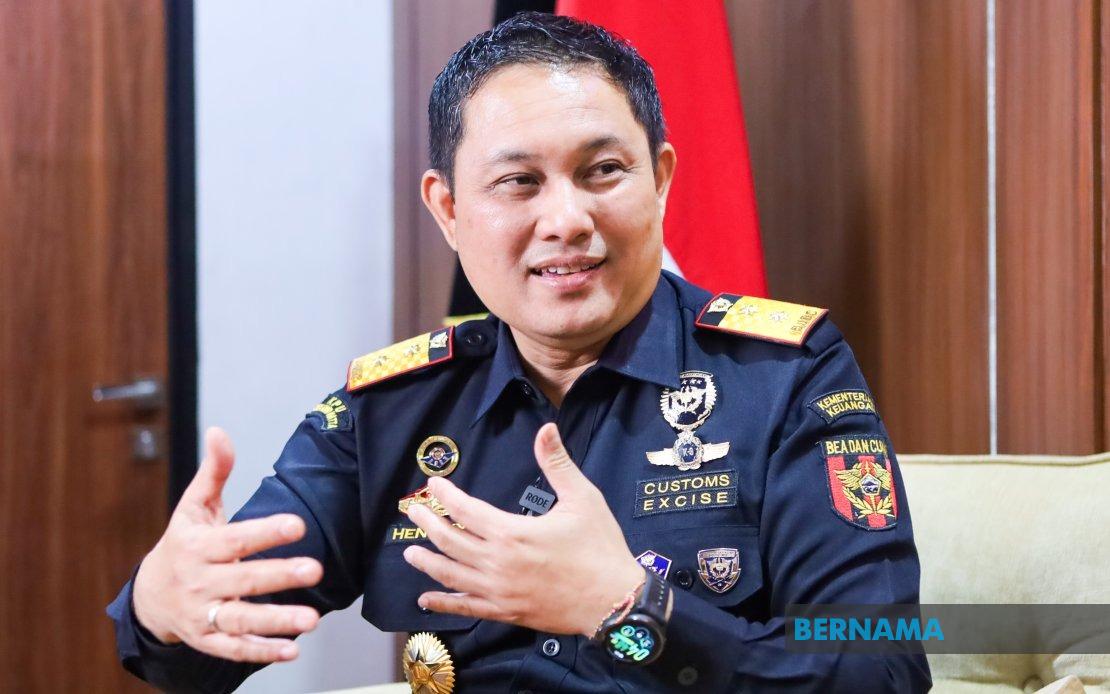
The arrests span multiple nationalities, painting a picture far more nuanced than simple point-of-origin patterns. Hengky Tomuan Parlindungan Aritonang, head of the Soekarno-Hatta Main Customs and Excise Office, emphasised that the relationship between a flight's departure point and the smuggler's nationality or the drugs' source is frequently disconnected. Flights originating from Malaysia or Thailand frequently carry Indonesian couriers, while syndicates operating across Southeast Asia demonstrate remarkable flexibility in recruiting operatives regardless of their national origin. This strategic decoupling of routes from carriers reflects the organisational sophistication of trafficking networks, which deliberately obscure supply chains by routing shipments through multiple jurisdictions and employing operatives with credentials that might deflect suspicion. Major aviation hubs throughout Malaysia, Thailand and Hong Kong serve as transit nodes in these international schemes, suggesting that Asia-Pacific airports function less as isolated points of control and more as interconnected nodes within a sprawling narcotics distribution infrastructure.
The recruitment methodology employed by these organisations reveals their adaptability and willingness to exploit both opportunity and personal circumstances. Smuggling syndicates actively target Indonesians working abroad, approaching them and leveraging persuasion—and presumably financial incentives—to recruit them as couriers for return journeys home. This strategy exploits the lower suspicion directed toward returning nationals and their familiarity with Indonesian customs procedures, though it also exposes foreign workers to extraordinary legal jeopardy. The syndicates operate with calculated indifference to their operatives' backgrounds, prioritising operational success over any consideration for the individuals they ensnare. Such recruitment practices have transformed international employment itself into a vulnerability, creating risks that extend to legitimate overseas workers whose only connection to trafficking networks may be financial desperation or coercive pressure.
The substances intercepted reflect evolving patterns in regional drug consumption and supply. Psychotropic substances, etomidate and methamphetamine rank among the most frequently smuggled items, while methamphetamine and MDMA account for the largest confiscations by weight. The prevalence of synthetic drugs—particularly MDMA and methamphetamine—suggests strong demand signals from Southeast Asia's urban centres and entertainment districts, where these substances command premium prices. The geographic origins of detected drugs implicate multiple source regions: Thailand, Spain, Malaysia and Singapore have been identified as primary sources, indicating that trafficking networks simultaneously draw from traditional Asian production centres and increasingly from European suppliers. This geographical diversity suggests that Indonesian authorities are contending with competing supply chains operating simultaneously, complicating enforcement efforts and suggesting the existence of multiple rival organisations with different supply relationships and distribution strategies.
A particularly novel dimension of the smuggling activity involves air cargo systems, which bypass passenger screening protocols and present distinct investigative challenges. Customs investigators have begun identifying intended recipients and subsequently tracing shipments backward to their senders, suggesting a growing recognition that cargo represents a vulnerable vector requiring enhanced monitoring. The ability to route contraband through air cargo rather than checked baggage offers syndicates operational advantages, particularly for larger quantities that would prove impractical to conceal on passengers. This development signals an escalating sophistication in smuggling methodology, with organised networks adapting to enforcement successes by identifying and exploiting alternative pathways through the logistics infrastructure.
Recent arrests involving Malaysian nationals have intensified scrutiny of the trafficking problem and raised questions about patterns that officials insist remain coincidental rather than systematic. A Malaysian pilot was apprehended following the seizure of approximately 25 kilogrammes of MDMA at Soekarno-Hatta the previous week, representing an extraordinarily high-profile case given the suspect's professional credentials. Simultaneously, another Malaysian was detained at Juanda International Airport near Surabaya after authorities discovered 990 grammes of methamphetamine and 1,089 ecstasy pills allegedly secured to his body, while three Malaysian women were arrested at Soekarno-Hatta during the same reporting period with suspected MDMA, cocaine and ketamine in their possession. The clustering of Malaysian nationals among recent arrests has generated significant discussion within Indonesia and raised questions about whether Malaysian networks are intensifying trafficking activities or whether enhanced awareness has simply rendered these cases more visible.
Customs officials have moved deliberately to reassure Malaysian travellers that they are not subject to discriminatory screening based on recent cases. Hengky emphasised that interdictions proceed according to standardised professional protocols centred on intelligence data, X-ray imagery and risk assessment rather than nationality, ethnicity or physical appearance. Screeners focus exclusively on radiographic anomalies and suspicious patterns rather than the identity of baggage owners, with treatment ostensibly uniform regardless of passenger background. This emphasis on non-discriminatory enforcement reflects both genuine commitment to equal application of screening standards and strategic awareness that profiling-based approaches would undermine bilateral relations and international reputation. The reassurance also acknowledges that Malaysian-Indonesian air travel constitutes significant passenger volume and economic activity, making relationship maintenance commercially valuable for Indonesian tourism and aviation sectors.
The pilot case warranted particular analytical attention precisely because it defied professional expectations and exposed unexpected vulnerabilities within screening systems designed to identify individuals of questionable character. Hengky characterised the case as exceptional not primarily because the suspect was Malaysian but because his professional status rendered his involvement in trafficking extraordinarily surprising. Pilots undergo rigorous licensing requirements, comprehensive medical examinations, extensive background investigations and sophisticated vetting procedures designed to ensure individuals of impeccable character occupy positions of responsibility and access. The recruitment of an individual with such extensive screening into a smuggling operation suggested either that syndicates had successfully circumvented baseline character assessment mechanisms or that the financial incentives offered proved sufficient to overcome professional reputation and career prospects. Hengky's assessment that such cases represent precisely the sort of operations that enforcement personnel would consider impossible—and therefore neglect—offers insight into how sophisticated criminal organisations identify gaps between regulatory expectations and actual security enforcement.
The broader context of drug trafficking through major Asian aviation hubs reflects deep structural challenges confronting regional law enforcement. Southeast Asia's position along major trafficking routes between South Asian production centres and East Asian consumer markets, combined with the region's extensive aviation infrastructure and significant international passenger volume, creates persistent pressure on customs authorities. Syndicates respond to enforcement successes by continuously adapting smuggling methodology, exploring novel vectors and recruiting operatives with unexpected professional backgrounds. The concentration of trafficking cases at Soekarno-Hatta represents both enhanced enforcement capacity and the unavoidable reality that major aviation hubs will remain attractive targets for organised crime as long as financial incentives, demand signals and operational feasibility align. The challenge for Indonesian authorities involves balancing legitimate facilitation of international travel against the imperative to intercept contraband, a tension that becomes increasingly acute as smuggling networks demonstrate growing adaptability and sophistication.
The implications for Malaysia and the broader ASEAN region extend beyond bilateral law enforcement cooperation to encompass fundamental questions about aviation security, cargo regulation and intelligence sharing. The identification of multiple Malaysian nationals among recent arrests suggests that Malaysian departure points may feature inadequate screening procedures or that syndicates perceive opportunities within Malaysian airport security systems. Enhanced cooperation between Malaysian and Indonesian customs authorities, including intelligence exchange regarding suspected smuggling networks, recruitment patterns and evolving methodologies, becomes essential for reducing trafficking through the Kuala Lumpur-Jakarta air corridor. The cases underscore the vulnerability of the region's aviation infrastructure to organised exploitation and the necessity for upgraded screening technologies, enhanced training and more sophisticated intelligence integration across national boundaries.

