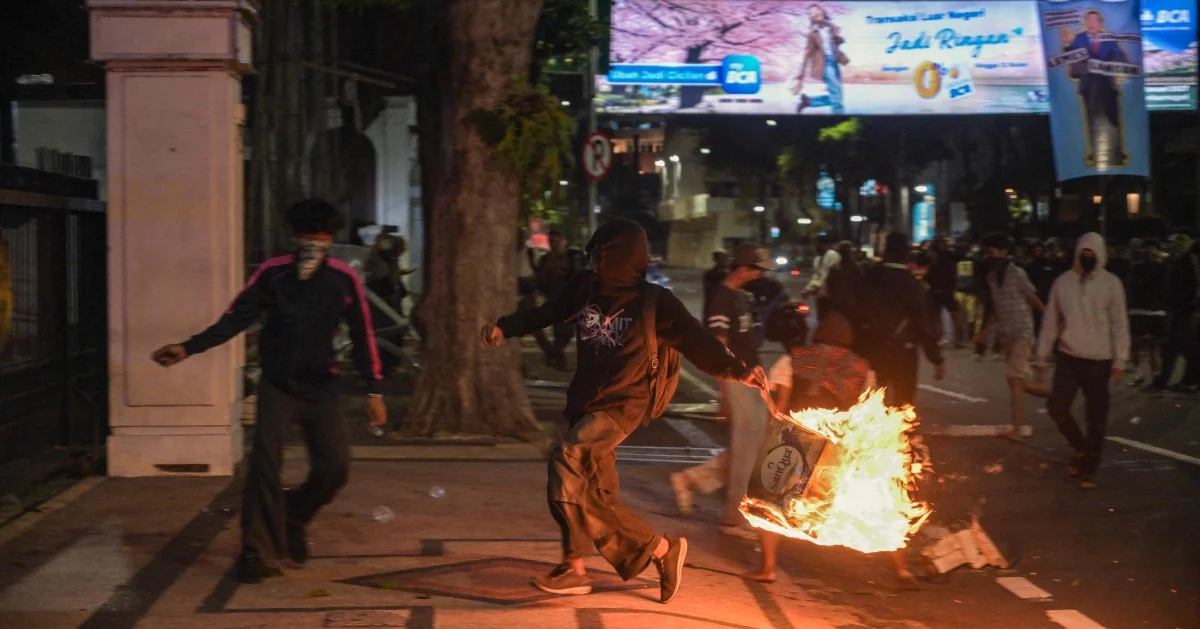
Mass arrests marked a significant police response to civil dissent in Surabaya, Indonesia's second-largest metropolitan area, as dozens of demonstrators were taken into custody during an organised rally opposing various government initiatives under President Prabowo Subianto's leadership. The detention operations took place over the weekend, with human rights monitors documenting the incidents and raising questions about the handling of public assembly rights in the Southeast Asian nation.
The arrested individuals had gathered to voice opposition to specific policies implemented by the Prabowo administration, though authorities maintained that arrests were necessary to maintain public order. This episode reflects the broader tension in Indonesia between citizens exercising constitutional rights to peaceful protest and law enforcement's approach to managing large-scale demonstrations in urban centres. Surabaya, as the economic and cultural hub of East Java, frequently witnesses political gatherings and rallies expressing diverse viewpoints.
Human rights organisations operating in the region expressed concern about the scale and nature of the arrests, suggesting that such detentions may have a chilling effect on legitimate political expression. These groups emphasise the importance of distinguishing between unlawful activity and peaceful assembly, a distinction that becomes increasingly significant in nations navigating democratic development. The documentation of such incidents by monitoring bodies serves as a check on potential overreach by security forces and contributes to a wider international perspective on civil liberties standards.
President Prabowo Subianto assumed office following elections that reshuffled Indonesia's political landscape, with his administration introducing various policy directions that have generated both public support and organised opposition. The Surabaya rally represents one manifestation of this political contestation, where citizens attempt to hold their government accountable through street-level mobilisation. Such protests are a recognised mechanism within democratic systems for expressing grievances and influencing policy debates.
The detention of protesters raises procedural questions about arrest protocols, length of custody, and access to legal representation—matters that human rights bodies typically scrutinise. Indonesian law permits detention for investigative purposes, but international standards and the nation's own constitutional framework establish limits on such powers. Documentation of arrests helps establish whether procedures were followed appropriately and whether protesters faced treatment consistent with legal norms.
Surabaya's significance as a protest site carries historical weight within Indonesia's democratic narrative. The city has a tradition of political activism and represents a substantial population centre where discontent with national policy can mobilise quickly. Police operations in such environments operate under particular visibility, given that global media and international human rights monitors maintain awareness of significant detention events in major urban areas.
The specific policies targeted by the protesters reflect current political divides within Indonesian society regarding economic management, social priorities, and governance direction. Whether protests focus on infrastructure development, labour conditions, subsidy structures, or corruption concerns, they represent mechanisms through which diverse demographic groups seek to influence the political process outside of electoral cycles. Such mobilisation patterns provide insight into which government initiatives generate public resistance and why.
The involvement of human rights documentation groups underscores the role that civil society organisations play in monitoring state conduct and maintaining transparency. These bodies serve as intermediaries between protest movements and international accountability mechanisms, contributing to global databases on democratic freedoms and state behaviour. Their reporting influences how international observers assess a nation's commitment to civil liberties and rule of law.
The incident occurs within Indonesia's broader constitutional framework, which guarantees freedom of assembly while simultaneously granting authorities considerable latitude in managing public order concerns. This balance point—between protecting citizen rights and maintaining security—remains contested territory in Indonesian jurisprudence and governance practice. Different administrations have weighted these competing interests differently, and the Prabowo government's approach to dissent may evolve as circumstances change.
For Malaysian observers, the Surabaya arrests offer comparative perspective on how neighbouring Southeast Asian democracies manage political opposition and public protest. Both nations navigate similar tensions between civil liberty protections and security considerations, though their legal frameworks and enforcement practices differ. Understanding regional approaches to dissent regulation contributes to broader regional literacy about democratic practices across ASEAN states.
The detained protesters' treatment during custody, subsequent legal proceedings, and whether charges ultimately materialise will determine whether this episode becomes a broader statement about democratic space in contemporary Indonesia. Rights monitors will continue tracking whether the arrests lead to prosecutions or whether protesters are eventually released without formal charges, both outcomes carrying different implications for press freedom and assembly rights in the country.

