Indonesia has officially commenced construction of its inaugural waste-to-energy facility in Bali, signalling the beginning of an ambitious national initiative to transform municipal waste streams into usable electricity. The groundbreaking ceremony took place on Wednesday, July 8, in Pedungan Village, South Denpasar, representing a watershed moment in the country's approach to managing one of Southeast Asia's most pressing environmental challenges. The project is being developed through a partnership between Danantara Investment Management, the sovereign wealth fund managing the initiative, and Daya Energi Bersih Nusantara, the specialised developer driving the technical implementation.
Rosan Roeslani, chief executive officer of Danantara Indonesia, articulated the strategic importance of the project during the inauguration ceremony. He emphasised that the facility represents far more than a single waste management solution; rather, it embodies a comprehensive modernisation of Indonesia's waste handling infrastructure. The Bali plant will employ advanced moving grate incinerator technology, a proven method already deployed extensively across waste-to-energy operations globally. This technological approach enables the conversion of waste materials into electrical power while adhering to rigorous environmental standards, specifically aligning with the stringent European Industrial Emissions Directive—a significant benchmark for emissions control and pollution prevention.
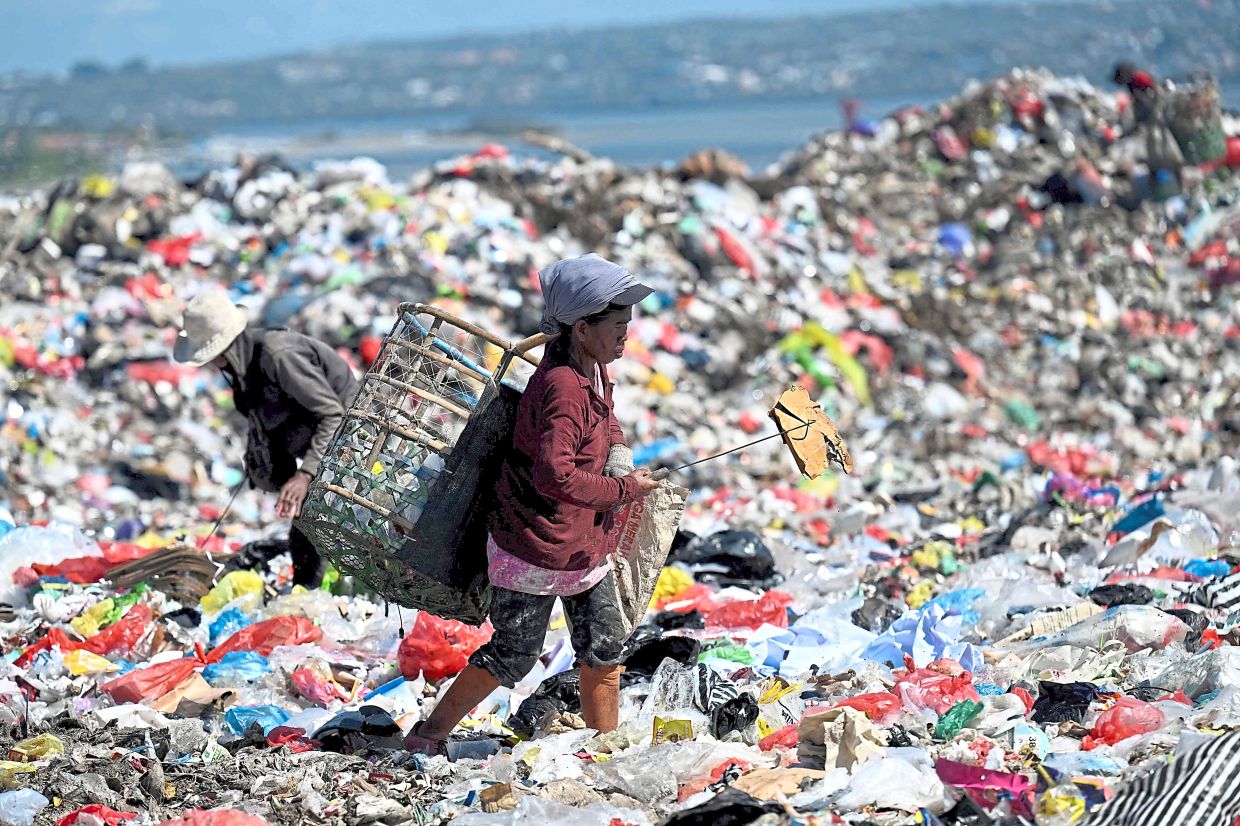
The timing of this project carries particular significance given Indonesia's ongoing struggle with waste accumulation. The nation currently generates in excess of 140,000 tonnes of municipal waste daily, a volume that has strained traditional disposal methods and contributed to widespread environmental degradation. Open dumping at landfills remains the default approach in many regions, creating problems ranging from soil contamination to methane emissions that exacerbate climate change. The sheer scale of Indonesia's daily waste production underscores why policymakers have increasingly viewed waste-to-energy conversion as indispensable rather than optional for achieving sustainable development objectives.
President Prabowo Subianto has prioritised waste management as a critical governance challenge requiring immediate and sustained government attention. According to statements issued by Danantara, the President's office has explicitly directed that waste management be treated as a shared national responsibility demanding rapid implementation. This framing reflects a recognition that inadequate waste management systems impose externalities extending far beyond immediate environmental damage, potentially creating long-term liabilities that will constrain economic opportunities and quality of life for future generations. By positioning waste management as a foundational governance issue, Prabowo's administration signals commitment to infrastructure modernisation as central to its development agenda.
The environmental benefits projected for the Bali facility are substantial and quantifiable. Danantara's analysis suggests that converting waste to energy through this facility will reduce emissions by up to 80 per cent per tonne of waste compared with conventional open dumping practices at landfills. This reduction reflects both the elimination of methane and other greenhouse gases that would otherwise be released from decomposing waste in landfills, and the displacement of electricity that would otherwise need to be generated through fossil fuel combustion. For a country grappling with climate change impacts and air quality degradation, these emission reductions represent meaningful progress towards environmental targets.
Beyond environmental metrics, the project carries significant economic dimensions. During its construction phase and subsequent operational period, the Bali waste-to-energy plant is expected to generate up to 1,200 green jobs. These employment opportunities span engineering, technical operations, maintenance, and related support functions. For Bali specifically, a region heavily dependent on tourism revenue, such job creation in the green economy sector diversifies employment beyond traditional hospitality and service industries. The emergence of skilled positions in clean energy technology also helps develop human capital capabilities that extend beyond this single facility, potentially building institutional knowledge applicable across Indonesia's growing renewable energy sector.
The commercial viability of the project was substantially strengthened during the groundbreaking ceremony through the execution of a Power Purchase Agreement between state utility PLN and the project company. This agreement represents a critical enabling mechanism for project financing and long-term operational certainty. By committing to purchase electricity generated by the facility at predetermined rates and volumes, PLN provides revenue predictability essential for investors and lenders assessing project risk. For PLN, the arrangement offers access to additional electricity supply from a renewable source, contributing to the utility's obligations under Indonesia's renewable energy targets while diversifying its generation portfolio away from traditional coal-fired plants.
The selection of Bali for Indonesia's first waste-to-energy facility reflects both pragmatic and symbolic considerations. As one of Indonesia's most developed tourist destinations, Bali experiences concentrated waste generation from domestic consumers and visitors. The island's limited available land suitable for landfill expansion has made waste management increasingly urgent there. Demonstrating success in Bali creates a visible, internationally scrutinised flagship project that can serve as a reference point for replication in other Indonesian cities facing similar waste management pressures. Should the Bali facility perform according to projections, it will provide compelling evidence for policymakers and investors considering waste-to-energy investments elsewhere in the archipelago.
Indonesia's transition toward waste-to-energy technology reflects broader regional trends in Southeast Asia, where rapidly urbanising economies struggle to manage swelling waste streams. Countries throughout the region have increasingly recognised that landfills alone cannot accommodate projected waste volumes, prompting investment in alternative technologies. The Danantara-led initiative positions Indonesia alongside regional peers in Vietnam, Thailand, and the Philippines, which have similarly embraced waste-to-energy approaches. However, the scale of Indonesia's waste generation—significantly exceeding that of most neighbours—means that even with multiple waste-to-energy facilities, traditional waste management will remain necessary, requiring integrated approaches combining technological solutions with waste reduction and recycling initiatives.
The governance framework supporting the project demonstrates Indonesia's attempt to attract sophisticated foreign and domestic investment in environmental infrastructure. Danantara's involvement, as a sovereign wealth fund, provides credibility and patient capital capable of funding large-scale infrastructure projects that may have extended payback periods. The requirement to comply with European emissions standards reflects a strategic decision to build projects meeting the most rigorous international benchmarks, potentially positioning Indonesia as a model for responsible waste management infrastructure development within Southeast Asia and the broader developing world. This approach also supports Indonesia's international climate commitments and enhances its reputation among climate-conscious investors and development partners.
Looking forward, the success of the Bali waste-to-energy plant will likely influence Indonesia's infrastructure investment agenda for the coming decade. If the facility delivers on its environmental and economic promises, policymakers will face pressure to accelerate similar projects in Java, where population density and waste generation are even more acute. The project also raises questions about regulatory capacity, particularly regarding enforcement of environmental standards and public consultation processes. Indonesian cities considering waste-to-energy facilities must address community concerns about air quality and proximity of facilities to residential areas—challenges that have sometimes delayed or derailed similar projects internationally. The Bali project therefore serves not only as a waste management solution but as a test case for Indonesia's ability to implement complex environmental infrastructure projects meeting global standards while maintaining domestic political support.

