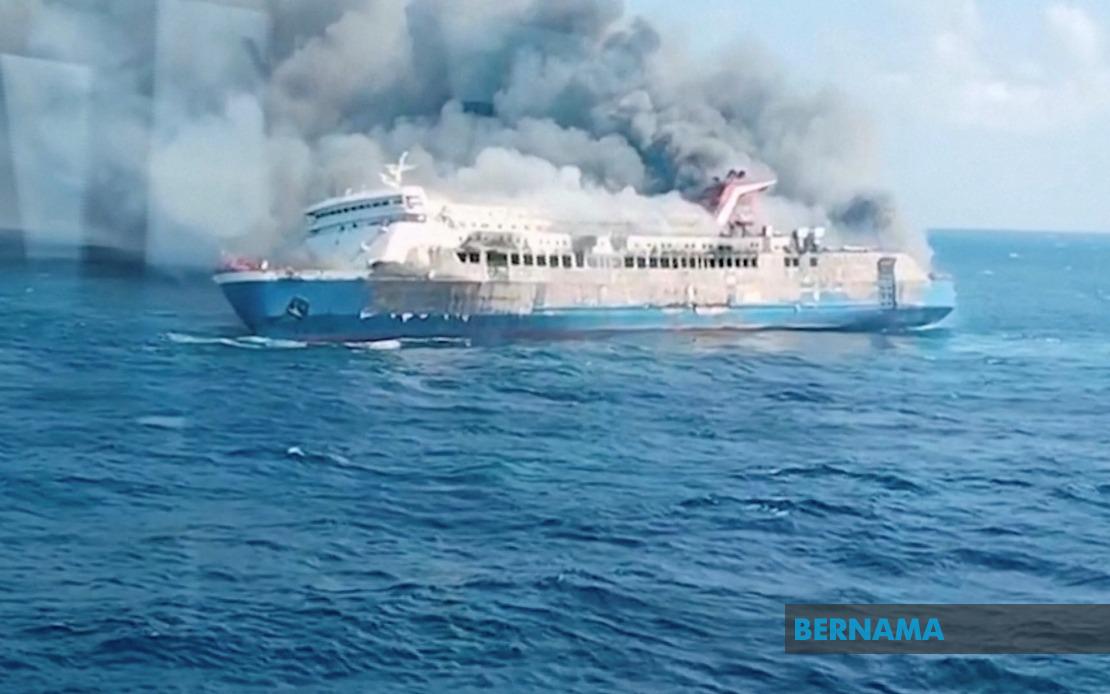
A catastrophic fire aboard a passenger ferry in Indonesian waters has resulted in multiple fatalities and an ongoing search for dozens of missing people. The KMP Mutiara Santosa 2, which was operating a service route between Surabaya and Makassar, caught fire in the waters off northern Sumenep in Madura on August 2, leaving five people confirmed dead and 41 others still unaccounted for. The disaster has prompted an intensive maritime rescue effort involving multiple government agencies and vessels deployed across the affected area.
The ferry, registered to carry 232 passengers and 39 crew members, was fully occupied when the fire broke out during its voyage across Indonesian seas. Surabaya Search and Rescue Office Chief Nanang Sigit confirmed that rescue authorities received their initial alert regarding the incident at 8.24 am local time, prompting an immediate coordinated response to evacuate those onboard. By 4 pm the same day, rescue teams had successfully brought 225 people to safety, though the absence of 41 individuals continued to fuel concerns about their whereabouts.
The response to the emergency was rapid and comprehensive, involving various maritime and emergency management agencies deploying numerous assets and personnel to the disaster site. Rescue teams coordinated efforts to extract passengers and crew from the burning vessel, which became largely engulfed in flames. Nanang described the deteriorating conditions aboard the ship, noting that the majority of the vessel had been severely damaged by fire and heat, forcing those aboard to congregate on the ship's bridge and forward sections while awaiting external assistance.
Several passengers who made the desperate decision to abandon ship and jump into the surrounding waters were later retrieved by fishing boats and other vessels in the vicinity. These rescue-by-civilians interventions likely saved additional lives beyond the count achieved by official maritime rescue operations. The presence of local maritime traffic in the area proved instrumental in pulling additional survivors from the water during the critical early moments of the disaster.
The tragedy underscores persistent concerns about maritime safety in Southeast Asian waters, where passenger ferries remain a crucial transportation lifeline for millions of people traversing the archipelago's extensive seas. Indonesia's shipping industry handles enormous volumes of passenger traffic daily, and incidents of this magnitude typically prompt renewed scrutiny of vessel maintenance, safety protocols, and crew training standards. The fire's origin and the exact sequence of events leading to the catastrophe remain under official investigation, with authorities still gathering evidence and conducting interviews with survivors.
For Malaysia and the broader Southeast Asian region, this incident serves as a stark reminder of the risks inherent in maritime travel across the region. Malaysian and other regional nationals frequently travel by ferry and ship throughout Indonesian waters, making the safety of these vessels a matter of regional concern. The incident may prompt maritime authorities across the region to review safety certification and compliance measures for vessels operating international routes.
The missing individuals represent a haunting dimension of the disaster, as families and authorities continue searching for any trace of those unaccounted for. The comprehensive search operation will likely extend over several days, involving underwater surveys and coordinated maritime patrols across the affected zone. The recovery of additional victims or survivors depends heavily on ocean currents, visibility, and the duration survivors could potentially endure in open water.
This catastrophe occurs within a context of ongoing debates about maritime transportation standards in developing Southeast Asian nations. While Indonesia maintains significant maritime infrastructure and rescue capabilities, questions frequently arise regarding vessel age, maintenance standards, fire suppression systems, and crew competency across the broader commercial shipping sector. The KMP Mutiara Santosa 2's condition prior to the fire, the functionality of its safety systems, and whether adequate fire-fighting equipment was present aboard will likely feature prominently in the investigation's conclusions.
International maritime organizations and regional shipping authorities may use findings from this investigation to influence policy discussions around fleet modernization and safety improvements. The incident demonstrates the importance of robust emergency response protocols and the critical role that civilian maritime traffic plays in rescue operations when formal services are initially distant from distressed vessels. Enhanced communication systems, improved vessel tracking technology, and mandatory safety drills for passengers and crew represent areas where regional standards could potentially be strengthened.
The psychological and emotional toll on survivors and families of the missing will extend far beyond the initial rescue operations. Recovery assistance, counselling services, and comprehensive victim compensation represent immediate priorities for Indonesian authorities and international humanitarian organizations. This disaster will likely reverberate through Indonesian maritime policy discussions and may prompt renewed attention to comprehensive safety audits and modernization programs targeting the nation's extensive passenger ferry fleet.

