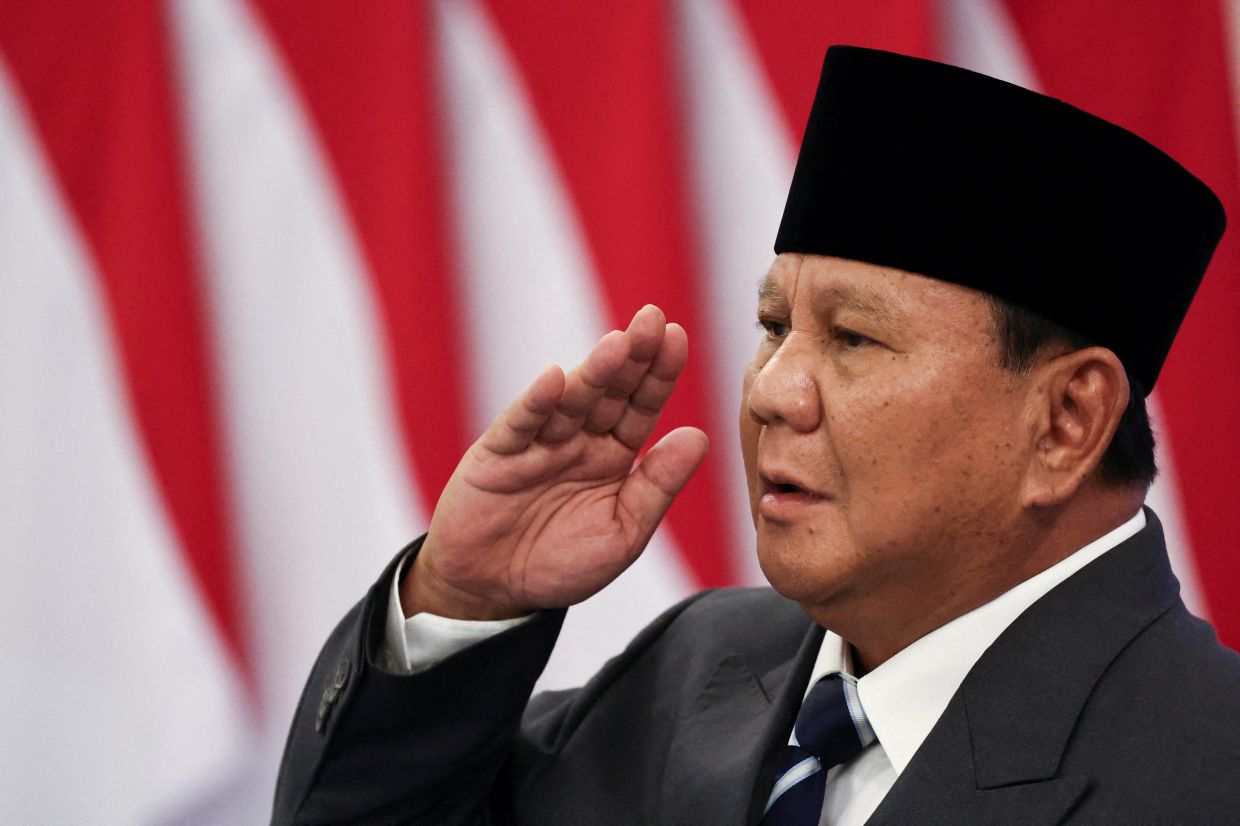
Indonesia has significantly recalibrated its compulsory military training component for candidates seeking to manage village cooperatives under President Prabowo Subianto's flagship development initiative, following the deaths of five participants within the opening fortnight of the programme. The restructuring, announced by defence ministry spokesperson Rico Sirait on Tuesday, marks a sharp departure from the original curriculum as authorities grapple with mounting scrutiny over the safety protocols governing the scheme.
The village cooperative programme, known as the Red and White Cooperatives initiative and launched a year ago, represents a cornerstone of the government's economic strategy. By establishing roughly 80,000 cooperative units distributed across Indonesia's villages, policymakers aim to generate employment opportunities while pursuing an ambitious 8% economic growth target by 2029. These cooperatives are designed to distribute essential commodities including basic foodstuffs, subsidised cooking gas, and agricultural fertiliser to rural communities. However, the mandatory military training component that prospective cooperative managers must complete has become the focus of intense controversy following the recent fatalities.
The training programme itself is substantial in scope and scale. The defence ministry is coordinating instruction for approximately 35,000 prospective managers across multiple regional military training facilities nationwide. The 45-day curriculum began on June 14 and was scheduled to conclude on July 31, with successful completion serving as a prerequisite for appointment to cooperative management positions. This compressed timeline places significant physical and psychological demands on participants drawn from civilian backgrounds, many of whom lack military experience or preparation.
Between June 17 and June 26, five participants died under circumstances the ministry attributed to diverse medical causes. The casualties resulted from cardiac arrest, heat stroke, tuberculosis, and pneumonia—conditions suggesting both environmental stress and underlying health vulnerabilities among the cohort. The defence ministry had previously asserted that all deceased participants had undergone medical screening before enrolment and that the training itself avoided excessive physical exertion, claims that came under scrutiny following the deaths and prompted calls for immediate reform.
The restructured curriculum now reflects a fundamentally different pedagogical approach. Military tactics instruction, technical combat training, and shooting exercises—core elements of conventional military education—have been removed entirely from the syllabus. Physical conditioning expectations have been substantially lowered and recalibrated to reflect the civilian status and varying fitness levels of participants. Instead, the revised programme concentrates on character development, instilling organisational discipline, nurturing leadership capabilities, and fostering collaborative partnerships among cohort members. This pivot suggests acknowledgment that civilian cooperative managers require different competencies and preparation than military personnel.
The controversy surrounding this training component carries significant implications for Indonesia's broader governance approach. The integration of military training into civilian economic management structures reflects a particular policy philosophy about institution-building and character formation in the context of rural development. Whether military-style discipline genuinely enhances cooperative management remains an open question, particularly given that many developing nations achieve effective village cooperatives through purely civilian training pathways. The deaths have crystallised broader concerns about whether such militarised approaches represent the most appropriate mechanism for preparing rural entrepreneurs.
Indonesia's National Human Rights Commission has escalated pressure on the government by formally calling for the discontinuation of basic military training for prospective cooperative managers. This intervention represents a significant institutional challenge to the programme's design, framing the safety concerns within a human rights context rather than merely a technical implementation issue. The commission's position reflects international norms emphasising civilian oversight of development programmes and questioning the necessity of military involvement in economic initiatives targeting rural communities.
For Malaysian observers and policymakers, the Indonesian experience offers instructive lessons about programme design, risk assessment, and the potential pitfalls of imposing overly stringent or inappropriate requirements on civilian participants in development schemes. Malaysia has pursued various rural development initiatives, agricultural cooperatives, and poverty-reduction programmes, many of which have relied on civilian-led training without militarised components. The Indonesian case underscores the importance of tailoring institutional approaches to participant demographics and ensuring that safety protocols are rigorously implemented rather than merely presumed.
The apparent contradiction between the ministry's initial assertion that training involved minimal physical stress and the subsequent acknowledgment that training format required substantial restructuring raises questions about oversight mechanisms and candour in programme management. This pattern—where official assurances are later contradicted by corrective actions—can undermine public confidence in government initiatives, particularly in development programmes requiring genuine community participation and buy-in.
Moving forward, the modified training regimen must demonstrate that reduced military content does not compromise whatever genuine developmental value such preparation provided. The focus on character, discipline, and leadership can certainly be delivered through civilian-centred methodologies, and evidence from successful cooperative movements elsewhere suggests this approach may prove more effective. Indonesia's ability to salvage this high-profile initiative while genuinely addressing safety concerns will influence how future development programmes balance ambitious targets with participant welfare and programme credibility.

