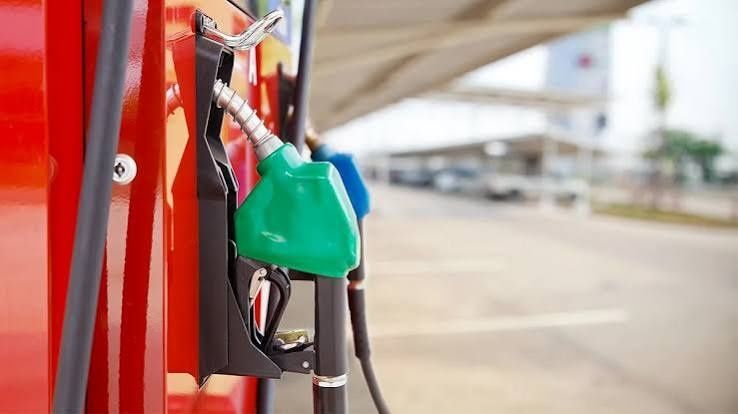
India's government launched a damage-control operation on Friday as public anger over mandatory ethanol-blended petrol threatened to become a significant political liability for Prime Minister Narendra Modi's administration. The controversy centres on E20 fuel, a blend containing 20 per cent ethanol that became compulsory at petrol pumps last year in India, the world's third-largest automotive market. What began as an environmental initiative has evolved into one of the government's most contentious policies among car owners, who claim the fuel damages their vehicles and reduces mileage.
The backlash intensified dramatically this week when Attorney General R. Venkataramani described E20 as an "experiment" during a court hearing, suggesting that concrete results would only become available next year. The remark exploded across social media after video footage of the proceeding circulated widely online, giving credence to consumer concerns that the government had rolled out the policy without adequate testing or preparation. Although government officials immediately denied the attorney general had made such a statement, the documented evidence proved impossible to dismiss, forcing the administration into a defensive posture.
Venkataramani subsequently attempted to clarify his position, telling Reuters that he had used the term "experiment" specifically in reference to ethanol supply volumes rather than the fuel policy itself. This technical distinction, however, resonated poorly with the public and failed to quell the mounting frustration. The Petroleum Ministry's press office dismissed criticism as "wild claims" and urged citizens not to "fall for the rage bait," a response that many perceived as patronising and indicative of government arrogance regarding legitimate consumer concerns.
Petroleum Minister Hardeep Singh Puri attempted to ease anxieties by drawing comparisons to motorsport fuel blends, noting that racing cars utilise similar ethanol mixtures and experience improved acceleration. However, he conceded that fuel economy would decline, a trade-off most ordinary motorists found unacceptable. For vehicle owners accustomed to making purchasing decisions based on mileage efficiency, particularly those in India's price-sensitive market, Puri's admission essentially confirmed their worst fears about the policy's practical impact on their daily expenses.
Protests against the E20 mandate have materialised with organisers reporting substantial grassroots interest. Tehseen Poonawalla, a Delhi-based socialite and Congress party supporter, announced plans for a demonstration on Sunday, claiming he had already received expressions of support from thousands of potential participants. The prospect of large-scale public mobilisation represents a genuine political risk for the government, particularly as opposition figures from the Congress party have seized on the issue to criticise the administration's governance approach.
Congressional state minister Priyank Kharge articulated a common complaint among opponents, stating that the policy's rollout lacked proper stakeholder consultation and that the government should not demand citizens prove damage when official data on E20's effects remained incomplete. This criticism highlights a deeper frustration with the government's apparent unwillingness to gather comprehensive evidence before implementing a mandatory, nationwide change affecting millions of vehicle owners. The absence of prior dialogue with consumer groups, automobile manufacturers, and industry stakeholders has compounded the impression that policymakers prioritised environmental and economic objectives over practical feasibility.
Social media platforms have become repositories of complaint, with hundreds of motorists posting accounts of reduced fuel efficiency and accelerated wear on vehicle components. A particularly viral video featuring a motorist identified as Manish Kashyap, viewed over half a million times, showed him lamenting that his vehicle required repairs after only two months of E20 fuel use. His frustration was palpable: having invested substantially in his automobile and paid applicable taxes, he found himself facing expensive repairs due to a government-mandated fuel he never voluntarily chose. Such personal testimonies carry significant weight in shaping public perception, particularly when disseminated through digital networks that bypass traditional media filters.
The government's justification for the E20 mandate rests on three principal arguments. Firstly, the fuel blend reduces carbon emissions, addressing environmental concerns increasingly salient in policy discussions across South Asia. Secondly, shifting towards ethanol reduces crude oil imports, thereby preserving India's foreign exchange reserves and protecting the nation's fiscal position during volatile global energy markets. Thirdly, expanding ethanol demand stimulates agricultural feedstock production, potentially improving incomes for India's substantial rural farming community. These benefits, while economically coherent, remain largely intangible and long-term compared to the immediate, concrete damage motorists report experiencing.
For Malaysian and Southeast Asian observers, India's experience with E20 offers instructive lessons regarding the political economy of energy transitions. As the region grapples with decarbonisation pressures from both international commitments and domestic environmental concerns, India's misstep demonstrates the dangers of implementing transformative fuel policies without adequate public consultation, scientific validation, and transition mechanisms. The contrast between government objectives—laudable in environmental and economic terms—and consumer reality highlights how well-intentioned policies can generate unintended consequences when implementation lacks sufficient technical groundwork and stakeholder engagement.
The controversy also underscores broader questions about technocratic governance in developing economies. When policymakers implement mandatory changes affecting millions of citizens, the legitimacy of such decisions depends partly on transparency, evidence-based justification, and demonstrated effectiveness. India's apparent rush to deploy E20, coupled with the attorney general's inadvertent admission that the policy remained experimental, has eroded public confidence in government competence. Moving forward, the administration faces a critical choice: either undertaking genuine remediation efforts and transparent evaluation of E20's impacts, or risking sustained public anger that could extend to other government initiatives.
The situation remains fluid as protests loom and opposition parties continue leveraging the issue for political advantage. The government's ability to navigate this crisis will depend on its willingness to acknowledge legitimate concerns, commission independent assessment of E20's real-world effects, and potentially modify or temporarily suspend the mandate pending comprehensive review. Without such steps, E20 threatens to evolve from an environmental policy into a defining symbol of administrative insensitivity to public welfare—a reputational cost that may exceed any environmental or economic benefits the fuel blend was designed to deliver.

