A nurse employed at a private hospital in Nizamabad district, Telangana, faces serious criminal charges following the death of her 35-year-old husband in circumstances that authorities allege involved premeditated poisoning. The accused, identified as Sandhya, allegedly administered a lethal mixture containing toilet cleaning liquid and crushed sedatives through an intravenous cannula on June 30, targeting her spouse Dayini Prashanth. The case has shocked the region with its particularly brazen nature, involving calculated murder following an earlier failed assassination attempt.
Prashanth had returned to India from the Gulf states just three days before his death, after working abroad for two years. This homecoming became the trigger for the alleged conspiracy against him. According to police investigation, Sandhya viewed her husband's decision to remain permanently in India as a significant obstacle to her continuation of an extramarital relationship with a man named Anil, also 35 years old. The alleged motive—removing a perceived impediment to an illicit affair—demonstrates a chilling willingness to resort to extreme measures for personal gratification. Her co-conspirators included Anil and his associate Venkat Sai, commonly known as Bunty, who became instrumental in executing the alleged plot.
The investigation unveiled a horrifying sequence of events spanning just three days. On June 29, Sai allegedly visited the family residence and plied Prashanth with excessive alcohol before coercing him onto the building's terrace under Sandhya's telephoned instructions. There, he reportedly pushed the unsuspecting victim from the elevated structure. Remarkably, Prashanth survived this initial attempted murder, sustaining serious injuries in the fall. At this critical juncture, Sandhya's nursing knowledge and quick thinking allowed her to control the narrative. She convinced her injured husband that his fall was merely an unfortunate accident caused by his intoxicated state, persuading him to seek treatment at a government hospital.
The injured man's hospitalisation provided Sandhya with temporary cover for her alleged conspiracy. After his discharge, the family transferred him to a private medical facility before eventually bringing him home for continued recovery. This transition to home-based care created the opportunity for Sandhya to complete her alleged murderous plan. Leveraging her professional nursing background, she arranged to administer intravenous fluids at their residence, a medically routine action that would arouse minimal suspicion from someone already recovering from trauma.
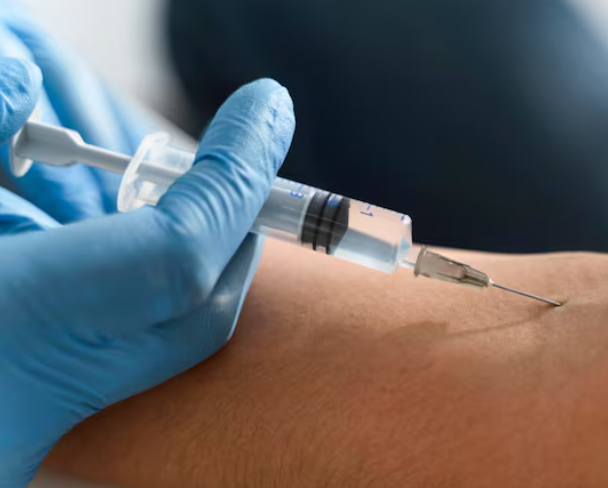
On June 30, Sandhya allegedly exploited her medical access and expertise to administer the fatal injection. The toxic combination of toilet cleaner and pulverised sleeping medication was introduced directly into her husband's bloodstream via the cannula. To further mask her involvement and ensure death would occur, she allegedly pushed Prashanth from his cot, potentially causing additional injuries that would be attributed to his unstable post-accident condition rather than deliberate foul play. The apparent death appeared attributable to complications arising from his earlier fall, a scenario Sandhya worked diligently to reinforce.
Initially, the accused's strategy appeared successful. She presented her husband's death as a natural consequence of the injuries he sustained from the rooftop fall, complete with medical deterioration that seemed consistent with such trauma. However, her mother-in-law, residing separately from the household, harboured grave suspicions about the actual cause of death. Rather than accepting the official explanation, she filed a formal complaint with police, articulating her doubts regarding the circumstances surrounding Prashanth's demise and requesting a thorough investigation.
The mother's intervention proved decisive in unravelling what authorities now characterise as a calculated murder conspiracy. Police interrogation of Sandhya subsequently revealed the complete chronology of the alleged plot, from the failed rooftop murder attempt through to the fatal injection administered in the relative privacy of their home. The investigation demonstrated how professional knowledge—in this case, nursing training—could be weaponised to commit crime with apparent plausibility. Had the victim's family member not questioned the narrative, the death might well have been recorded as a tragic consequence of an accident rather than homicide.
The case raises significant questions about safeguarding mechanisms within healthcare settings and community vigilance regarding suspicious deaths. In India, where many individuals receive medical care at home, particularly during recovery from accidents or illness, the potential for exploitation by healthcare professionals remains a concerning gap. The trust placed in medical practitioners, especially those with familial relationships to patients, creates vulnerability to abuse. Sandhya's professional status and proximity to her husband meant she could access his body and medical systems without raising immediate alarm.
The alleged involvement of multiple perpetrators also underscores how murders of this nature often require collaboration across different participants. Anil's role appears ancillary yet essential—removing the victim from social oversight by getting him intoxicated and isolated on the terrace. Bunty's physical involvement in the rooftop assault provided the initial violence necessary to place Prashanth in a compromised medical state. Yet it was Sandhya's nursing credentials and domestic access that ultimately enabled the alleged completion of the murder plot. This division of labour across conspirators, with each providing specific expertise or capability, represents a particularly organised approach to homicide.
For Malaysian and Southeast Asian audiences, this case illustrates the darker possibilities within domestic relationships when infidelity intersects with professional access to lethal means. While India's healthcare sector remains robust, individual actors operating within it can breach fundamental ethical boundaries. The investigation's success depended critically on family suspicion and willingness to challenge official narratives—a reminder that community scrutiny remains essential to identifying suspicious deaths. Regional law enforcement agencies increasingly recognise that deaths attributed to accidents or natural causes warrant careful examination, particularly when family members express concerns about circumstances.

