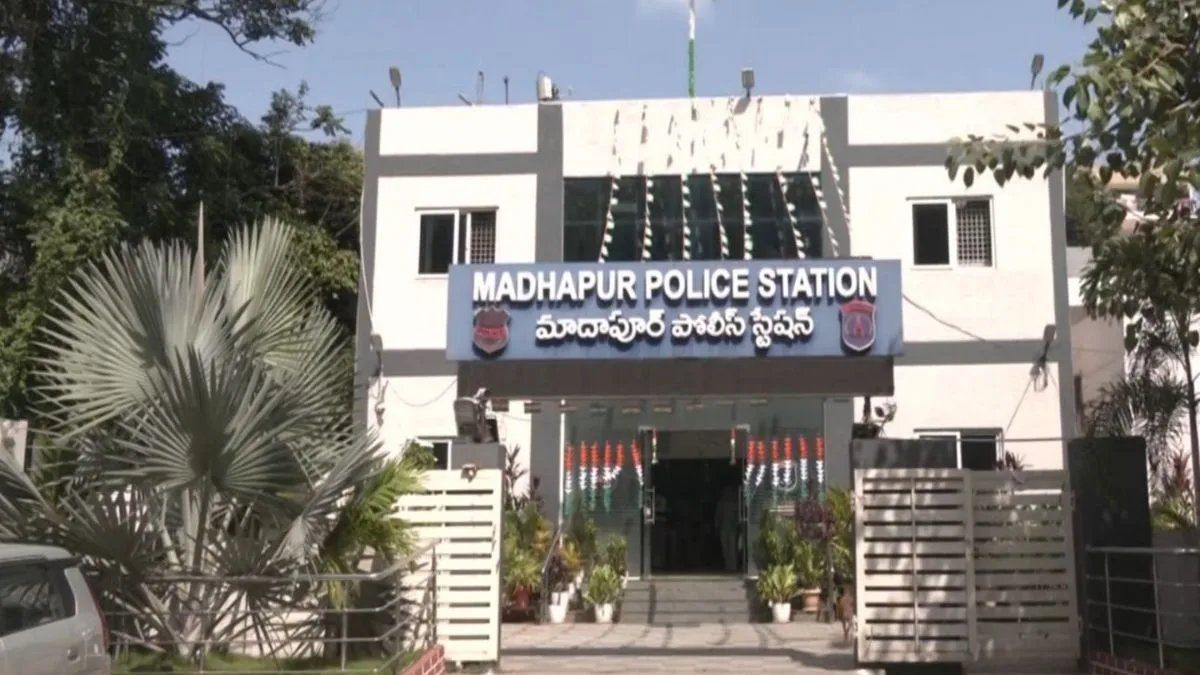
A 21-year-old man, son of Jana Sena Party MP Lingamaneni Ramesh, has been granted station bail following a fatal traffic collision in Hyderabad that claimed the life of a 26-year-old retail worker. The Aston Martin allegedly driven by Lingamaneni Sanjush struck Bharati Mukhi outside Inorbit Mall in the Madhapur locality on August 16, according to police statements. Sanjush was served a notice under Section 35(3) of the Bharatiya Nagarik Suraksha Sanhita (BNSS) as part of the ongoing investigation into the incident.
Bharati Mukhi, employed at a Lifestyle store within the shopping mall, was returning from collecting meals with a colleague when she was hit by the speeding vehicle. Eyewitness accounts and police findings indicate the car was being operated at excessive speed and in a manner consistent with rash and negligent driving. The collision occurred around 3pm near the main entrance of the mall. Bharati sustained severe head injuries in the impact and was transported to Apollo Hospital in Jubilee Hills, where she was pronounced dead by attending medical staff shortly after admission.
The Madhapur Police Station registered a formal case under Section 106(1) of the Bharatiya Nyaya Sanhita (BNS), which addresses acts causing death by negligence. Police officers apprehended Sanjush on the same day as the collision. As part of standard traffic accident protocol, investigative procedures included administering breath and drug screening tests, while blood samples were extracted and forwarded to the Forensic Science Laboratory for comprehensive toxicological analysis. The vehicle involved in the fatal crash has been impounded by authorities, and investigators continue to examine the post-mortem examination report as the case develops.
The incident has rapidly assumed political dimensions, with the opposition YSR Congress Party (YSRCP) launching criticism against the handling of the matter. Party spokesperson Karthik Yellapragada argued that law enforcement agencies have deliberately suppressed publicity surrounding the case, noting that five days elapsed following the registration of the formal complaint without significant public discussion or official statements regarding the accident. This lack of transparency, according to Yellapragada, stands in stark contrast to the customary media attention such fatalities typically receive in India's high-profile cases.
Yellapragada's allegations extend beyond mere procedural concerns, suggesting coordinated political protection at the highest administrative levels. He referenced an alleged "understanding" between Andhra Pradesh Chief Minister Revanth Reddy and Telugu Desam Party leader Chandrababu Naidu as a potential explanation for the subdued handling of the investigation. Such claims, however, lack substantiating evidence in publicly available materials and remain unverified allegations rather than documented facts. The YSRCP spokesperson's rhetoric reflects broader anxieties within Indian society regarding differential treatment of accused individuals based on political affiliation and family prominence.
The circumstances surrounding Sanjush's release on station bail rather than police custody warrant examination within the broader context of Indian criminal procedure. Station bail represents an intermediate measure whereby a suspect is released directly from a police station following booking, without requiring court intervention. While this mechanism expedites processing for less serious offenses, its application in fatality cases involving prominent political families frequently generates public scrutiny. The decision to grant such bail in this instance, occurring within hours of the alleged offense, may have contributed to opposition perceptions of preferential treatment.
For Malaysian observers, this case illustrates persistent challenges within South Asian justice systems regarding equitable treatment across socioeconomic and political strata. Similar incidents in Southeast Asia have prompted reforms in prosecutorial independence and transparent case management protocols. The incident underscores how traffic fatalities involving politically connected individuals can fracture public confidence in investigative neutrality, a concern equally relevant across the region. Malaysia's legal framework, which maintains clearer separation between prosecutorial decision-making and executive branch influence, provides instructive contrast to the dynamics evident in this Hyderabad collision.
The ongoing investigation remains incomplete, with forensic examination and toxicological results still pending. These technical findings will prove determinative regarding culpability assessments and potential charges. Should the blood analysis confirm presence of intoxicants or controlled substances, the severity of potential charges would escalate significantly under Indian traffic and criminal statutes. Conversely, evidence demonstrating mechanical failure or other environmental factors could substantially alter legal liability calculations. Until such evidence becomes publicly available, definitive conclusions regarding prosecutorial conduct remain premature.
The political controversy overshadowing this matter risks diverting public attention from substantive questions concerning road safety enforcement and accountability mechanisms. India experiences approximately 1.7 million road traffic injuries annually, with fatality rates among the world's highest relative to vehicle density. Systematic failures in traffic law enforcement, inadequate penalties for rash and negligent driving, and inconsistent application of safety regulations contribute substantially to this toll. Whether the Hyderabad collision receives prosecutorial priority or gradually recedes from public discourse, underlying systemic deficiencies demand comprehensive policy attention beyond individual case dynamics.

