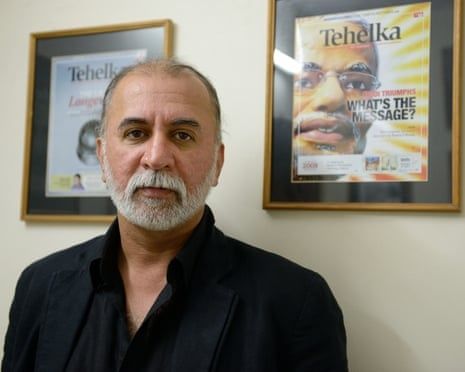
The Bombay High Court in India has convicted Tarun Tejpal, the 63-year-old founder and former editor of the respected investigative news magazine Tehelka, of raping a junior colleague in a landmark reversal that nullified an earlier acquittal by a lower court. The verdict, delivered on Thursday, marks a significant moment in India's ongoing struggle with sexual harassment in the workplace and the media industry specifically, coming more than a decade after the alleged assault took place at a five-star hotel in Goa during a November 2013 media event.
Tejpal's original arrest and the subsequent legal proceedings captivated national attention and became entangled with broader conversations about gender violence in India, arriving as the country grappled with the international fallout following the fatal 2012 Delhi bus gang rape that claimed the life of a 23-year-old student. That horrific incident had prompted sweeping legislative reforms to India's rape laws and catalysed nationwide activism around sexual assault prevention. The timing of Tejpal's case meant it became another focal point for discussions about institutional accountability and the protection of women, particularly those working in spaces that should ostensibly champion their rights.
According to investigators, the alleged assault occurred inside a hotel lift during the media gathering in the western coastal state of Goa. The accusation centred on a severe breach of power dynamics—a senior editor exploiting his position of influence over a junior staff member in an extraordinarily vulnerable setting. Such allegations strike at the heart of institutional cultures within news organisations, which pride themselves on investigative rigour and moral authority yet sometimes harbour environments where such dynamics go unchecked.
After his initial arrest, Tejpal spent seven months in custody before the Indian Supreme Court granted him bail, allowing him temporary freedom pending trial. The bail decision reflected the protracted nature of India's judicial system and the frequent gaps between arrest and resolution in complex criminal cases. He remained free during the trial process that followed, though under legal constraints.
In 2021, nearly eight years after the alleged incident, the trial court sitting in Goa acquitted Tejpal of all charges, including rape, sexual harassment, and wrongful restraint. The acquittal sent shockwaves through supporters of the complainant and women's rights advocates who viewed it as a validation of the institutional failures that had preceded it. However, the Goa government mounted a challenge to this verdict, petitioning the Bombay High Court to review the lower court's reasoning and evidentiary assessment.
The High Court's subsequent decision on Thursday to set aside the acquittal and issue a conviction represents a reversal that carries profound implications for the complainant, who has pursued justice across more than a decade of legal proceedings. Goa Police investigator Sunita Sawant, who led the original investigation, emphasised the broader significance of the judgment, noting that it vindicated the complainant's courage in standing firm despite the institutional pressures and professional risks that often discourage victims from pursuing allegations against powerful figures.
Tejpal, who has consistently denied the accusations throughout the legal process, retains the right to appeal the conviction to a higher appellate court, potentially prolonging the case further and keeping it in the public consciousness. The ability to appeal represents a fundamental principle of India's judicial system, ensuring that convictions can be subject to rigorous scrutiny and that defendants have recourse if they believe verdicts are unjust.
The case has become inextricably linked with questions about journalistic ethics and institutional integrity. Tehelka magazine, founded by Tejpal decades earlier, had built its reputation on fearless investigative reporting and advocacy for marginalised communities and women's rights. The revelations surrounding its founder's alleged behaviour created a profound irony and credibility crisis that the publication has struggled to overcome. Though Tehelka continues operations under successor leadership, it has failed to recapture the influence and moral standing it commanded before 2013, suggesting that such institutional damage reverberates far beyond individual accountability.
The conviction also arrives at a moment when Indian newsrooms continue grappling with the #MeToo movement's exposure of widespread sexual harassment in media organisations. The Tejpal case, decided a full decade after the alleged assault, demonstrates both the possibility of delayed justice and the extraordinary obstacles that complainants must navigate within male-dominated institutional hierarchies. His sentencing, scheduled for later on the day of conviction, will determine the specific consequences he faces, though any prison term will likely be subject to appeal.
For Malaysian and Southeast Asian observers, the case underscores enduring challenges within regional media industries regarding power imbalances, workplace safety, and the institutional mechanisms—or lack thereof—that enable senior figures to exploit junior colleagues. It also reflects broader judicial realities across Asia, where sexual assault cases frequently face evidentiary challenges, lengthy delays, and initial acquittals that require government intervention or appeals to overturn. The protracted nature of Tejpal's case, spanning more than a decade from allegation to conviction, exemplifies the institutional friction that victims encounter when challenging powerful men within professional settings.

