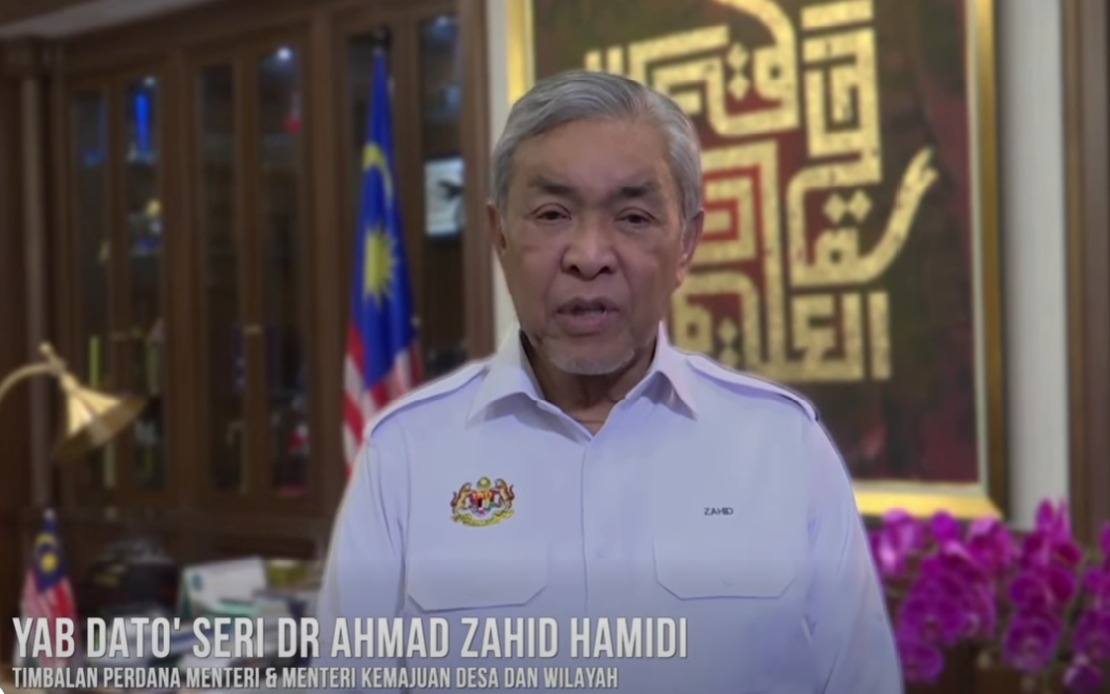
The true test of Malaysia's 69 years of independence lies not in commemorative speeches but in whether ordinary citizens can access meaningful employment, develop marketable skills, and participate fully in the nation's economic growth. This was the core message from Deputy Prime Minister Datuk Seri Dr Ahmad Zahid Hamidi as the country marked another National Day milestone, shifting the discourse from historical achievement toward contemporary delivery and tangible social outcomes.
Ahmad Zahid framed independence as an ongoing project rather than a completed endeavour. The independence struggle that defined Malaysia's founding generation, he suggested, has evolved into a different kind of challenge—ensuring that the freedoms won decades ago translate into practical opportunities for citizens today. This reframing carries particular significance for a nation navigating rapid economic transformation and regional competition. The focus on vocational and technical education reflects Malaysia's recognition that traditional academic pathways alone cannot equip young people for competitive global markets, particularly in high-skilled, high-wage sectors where Southeast Asian economies are increasingly competing.
As Rural and Regional Development Minister, Ahmad Zahid emphasised a critical governance principle: national prosperity cannot be confined to urban centres. The infrastructure gaps between Malaysian cities and their rural hinterlands remain substantial, and closing this divide demands sustained political commitment. His observation that "a nation does not become great merely because of what it builds, but because of who it brings along in its development" addresses a persistent anxiety among communities outside major metropolitan areas—that development gains accrue disproportionately to urban populations while rural Malaysia is left navigating deteriorating services and limited opportunity.
The investment in foundational infrastructure—roads, electricity, schools—serves as the necessary foundation for broader rural transformation. Yet Ahmad Zahid's invocation of these basics suggests they remain incomplete in significant portions of Malaysia. A single road connecting an isolated village to markets and services can catalyse economic activity; reliable electricity enables home-based businesses and digital access; quality classrooms allow local talent to develop without requiring migration to cities. These interventions, while elementary, address real gaps that persist in remote and rural constituencies.
Small entrepreneur development emerged as another dimension of inclusive independence. Malaysia's small and medium enterprise sector remains constrained by access to credit, market information, and business skills. Policies enabling these entrepreneurs to scale their operations would address both economic inequality and regional development imbalances, as rural enterprise often serves as an initial pathway to prosperity for communities outside major urban zones.
The emphasis on Malaysia's halal industry deserves particular analytical attention. As a majority-Muslim nation, Malaysia holds distinct competitive advantages in global halal markets—a sector projected to reach hundreds of billions of dollars annually as Muslim-majority nations and diaspora communities increase purchasing power. Yet the halal sector represents more than economic opportunity; it symbolises Malaysia's capacity to translate its demographic and cultural characteristics into globally recognised value. For many Muslim-majority economies in Southeast Asia and beyond, Malaysia's halal certifications and industry leadership carry weight. Developing this sector creates employment across agricultural production, processing, logistics, and retail while enhancing Malaysia's regional standing.
Datuk Seri Fadillah Yusof, the other Deputy Prime Minister, approached independence from a distinctly social and psychological angle. His call for Malaysians to liberate themselves from division, hatred, and prejudice addresses internal threats to national cohesion that transcend economic policy. In a context where social media amplifies sectarian tensions, religious anxiety, and political polarisation, Fadillah's emphasis on shared homeland and common future speaks to fundamental governance challenges. The Malaysia MADANI framework—emphasising prosperity for all rather than zero-sum distribution—signals an attempt to reframe national development as collective rather than competitive.
The reference to the Federal Constitution and Rukun Negara principles underscores institutional anchors for social contract. These foundational documents, negotiated during independence, established frameworks for managing Malaysia's plural society. Yet Fadillah's reiteration suggests these principles require renewed emphasis—that citizens may be forgetting or deliberately challenging the compromises embedded in Malaysia's founding arrangements. This reflects anxieties about communal harmony that periodically resurface in Malaysian politics, particularly during periods of economic stress or identity contestation.
That both Deputy Prime Ministers emphasised the need for citizens to internalise and practice independence—through respecting differences, upholding institutions, maintaining integrity—reflects a recognition that formal independence is insufficient without voluntary cooperation from diverse populations. This represents a sophisticated understanding of how plural societies function: legal frameworks alone cannot sustain unity without underlying social commitment to coexistence. The Malaysia MADANI tagline—"Well-being for All"—attempts to articulate a vision where economic prosperity becomes the glue binding diverse communities, provided growth reaches beyond elites and urban beneficiaries.
For Malaysian readers navigating economic uncertainty, cost-of-living pressures, and anxiety about job security, these independence messages carry material resonance. Skills development initiatives that remain aspirational rather than adequately funded would be perceived as hollow rhetoric. Rural infrastructure projects that consume budgets without reaching remote areas would reinforce perceptions of unequal development. Small entrepreneur support that exists only in policy papers rather than accessible financing would disappoint those seeking pathways to economic participation.
The contemporary challenges facing Malaysia's independence project differ fundamentally from 1957. Independence then meant ending colonial administration; today it means ensuring that administrative capacity, economic opportunity, and social dignity reach all segments of an increasingly diverse, urbanised, and educated population. The Deputy Prime Ministers' emphasis on inclusive development, skills accessibility, and communal harmony identifies the right strategic objectives. Implementation fidelity, budget allocation, and bureaucratic effectiveness will determine whether these aspirations translate into lived experience for ordinary Malaysians or remain ceremonial pronouncements marking another anniversary.
As Malaysia confronts regional economic competition, demographic shifts, and evolving global markets, the interpretation of independence offered this National Day suggests governmental recognition that past success cannot guarantee future prosperity. A nation's true independence, by this measure, rests on its capacity to equip all citizens—urban and rural, educated and apprenticing, established and emerging—with genuine opportunities to contribute to and benefit from shared development. Whether Malaysia's governance institutions can deliver on this expanded conception of independence will shape not merely national celebrations but the actual trajectories of millions of citizens across the coming decade.

