Malaysia's People's Income Initiative, commonly known as IPR, has reached a significant milestone by assisting 7,787 households over its first three years of operation, the Economy Ministry announced this week. The government-backed programme represents a strategic component of the nation's broader poverty eradication framework, specifically designed to tackle food insecurity, generate employment opportunities, and ease the financial pressures facing lower-income families across the country.
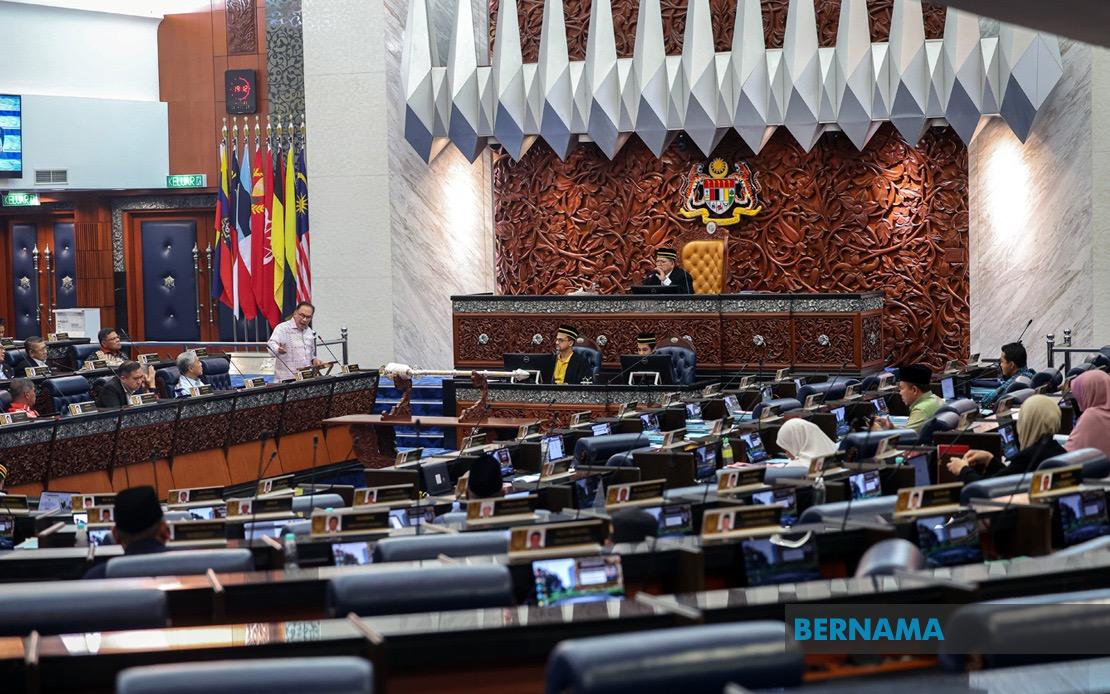
The ministry's parliamentary response highlighted the unexpectedly positive reception to the initiative, which has exceeded initial expectations in terms of household participation and tangible economic outcomes. Among the most encouraging findings is that several programme participants have successfully crossed the poverty threshold by achieving monthly household incomes surpassing RM2,000, a critical benchmark for economic self-sufficiency in Malaysia's current cost-of-living environment. This outcome suggests the programme has moved beyond theoretical assistance into demonstrable improvements in household financial stability.
For Malaysian policymakers and development advocates, the IPR results carry particular significance within the current economic context. Rising living costs, stagnant wage growth in certain sectors, and persistent income inequality have made poverty alleviation increasingly urgent. The fact that the programme has enabled households to reach income levels substantially above the poverty line indicates that targeted interventions, when properly designed and implemented, can generate meaningful household income growth rather than merely providing temporary relief. This distinction matters because sustainable poverty reduction requires participants to achieve genuine economic advancement.
The programme's three-pronged approach—addressing food security, creating employment, and reducing cost-of-living pressures—reflects an understanding that poverty operates through multiple interconnected challenges. Rather than treating symptoms in isolation, IPR attempts to tackle the structural factors that trap households in poverty cycles. Food insecurity alone can undermine educational outcomes, health status, and workforce productivity, creating intergenerational disadvantages. By simultaneously addressing nutrition, employment prospects, and household budgets, the initiative attempts systemic rather than symptomatic intervention.
Parallel developments in Malaysia's data infrastructure appear designed to amplify the IPR programme's effectiveness. The main data integration system, known as PADU, has enabled 204 government agencies to share and coordinate information, facilitating more efficient programme targeting and delivery. As of June 2026, 27 distinct data-sharing applications from various government departments have received approval for implementing programmes and policies. This technological integration matters because it reduces administrative inefficiency, helps identify households most in need of assistance, and prevents resource leakage to ineligible recipients.
The connection between robust data systems and effective poverty programmes cannot be overstated, particularly in a middle-income country context where budgets remain constrained. When government agencies operate independently without data coordination, resources often fail to reach the most vulnerable households, and overlapping interventions can create inefficiency. The PADU framework attempts to address these coordination failures by enabling unified household profiling across multiple agencies, theoretically allowing officials to understand comprehensive household circumstances before allocating assistance.
From a regional perspective, Malaysia's experience with the IPR and PADU systems offers lessons for Southeast Asian neighbours wrestling with similar poverty challenges. Several countries in the region maintain fragmented social protection systems where different agencies maintain separate household registries, creating both gaps and redundancies in coverage. The Malaysian government's attempt to build integrated data architecture suggests a recognition that modern poverty alleviation requires technological sophistication alongside programme design.
However, the data also warrants deeper examination regarding sustainability and scalability. The 7,787 household figure represents genuine assistance, yet poverty remains substantially more widespread across Malaysia. Census and household survey data typically indicate that several hundred thousand households remain below or near the poverty line. This gap between programme beneficiaries and the broader population in need raises questions about expansion plans, budget allocations, and the timeline for reaching Malaysia's stated poverty eradication goals.
The RM2,000 monthly income threshold deserves contextualisation as well. While this represents significant progress for programme participants, median household incomes in Malaysia remain considerably higher in urban and developed areas. Regional variation in living costs means that RM2,000 provides different living standards depending on geographic location, household composition, and family circumstances. A household in Kuala Lumpur with RM2,000 monthly income faces different constraints than one in less developed states despite identical nominal income.
The parliamentary reply also indicates that the system has gained credibility among potential beneficiaries, demonstrated by the "highly encouraging response" noted by the ministry. In poverty alleviation programmes, beneficiary trust and participation rates often determine success as much as programme design itself. Word-of-mouth endorsement from households that have experienced genuine income improvements can drive broader uptake, creating positive feedback loops that expand the programme's reach without corresponding increases in promotional expenditure.
Looking forward, several policy considerations emerge. The programme's success in lifting specific households above poverty thresholds suggests that further expansion could yield proportional benefits, though implementation capacity and budget constraints typically limit scale-up potential. Additionally, understanding whether participants' income gains prove durable once formal programme support concludes remains critical for assessing long-term impact. Programmes that generate temporary income spikes without establishing sustainable earning capacity ultimately disappoint despite initial statistics.
The integration of IPR achievements with PADU's data-sharing framework represents an increasingly sophisticated approach to welfare administration in Malaysia. By coupling targeted assistance with improved information systems, the government demonstrates recognition that modern poverty reduction demands both direct support and systemic improvements in programme targeting and coordination. The coming years will reveal whether these investments translate into scaled-up poverty reduction across Malaysia or remain modest programmes serving limited beneficiary populations.

