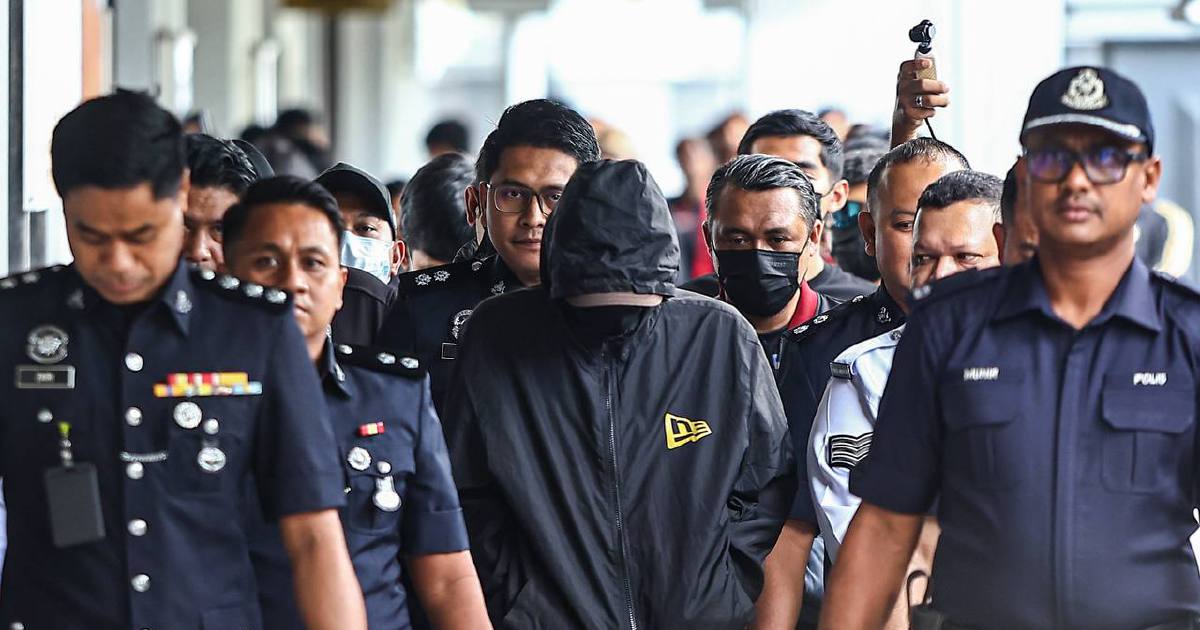
A driver employed by Malaysia's Immigration Department appeared in magistrates' court here following a deadly traffic incident that claimed three lives at the Maju Junction intersection on Jalan Sultan Ismail. The defendant entered a not guilty plea to five charges, including three separate counts of causing death through reckless or dangerous driving. The proceedings mark the beginning of formal legal proceedings into a crash that has heightened scrutiny over heavy vehicle safety practices in the capital's busiest commercial districts.
The collision occurred at one of Kuala Lumpur's most congested junctions, a location known for high traffic volumes and complex vehicular movements. Maju Junction sits along Jalan Sultan Ismail, a major arterial route serving downtown business districts, shopping complexes, and transport hubs. The intersection's geographical significance means any serious incident there attracts immediate attention from traffic authorities and the public, as disruptions can cascade across the wider road network affecting thousands of daily commuters.
Three family members lost their lives in the incident, transforming what might be classified as an ordinary traffic accident into a tragedy with profound personal consequences. Fatal collisions involving commercial vehicles—particularly those operated by government departments—often trigger broader conversations about driver training standards, vehicle maintenance protocols, and regulatory oversight. The identification of the victim family as direct casualties elevates community concern about road safety beyond statistical abstractions into tangible loss that resonates across Malaysian households.
The five charges lodged against the driver encompass both the fatal consequences and additional infractions arising from the circumstances of the collision. Three counts specifically address the deaths caused, while the remaining two charges likely relate to ancillary driving violations or hazardous conduct contributing to the incident. Malaysian traffic law distinguishes between causing death and causing injury through dangerous driving, with the former carrying substantially more severe penalties. The charging decision reflects prosecutors' determination that the driver's conduct met the threshold for the most serious culpable classifications available under the Penal Code.
The Immigration Department's involvement as the employer of the driver adds an institutional dimension to the proceedings. Government agencies operating heavy vehicles on public roads are subject to expectations regarding fleet maintenance, driver screening, and operational protocols. Any operational vehicle involved in a fatal incident inevitably prompts questions about whether the department's procurement practices, maintenance schedules, and driver supervision met statutory requirements. Such incidents can generate parliamentary inquiries and calls for ministerial accountability, particularly when loss of life involves civilians rather than workplace-related incidents.
The magistrate's court decision to proceed with full trial rather than immediate sentencing indicates that complex factual questions remain unresolved. The defence may challenge the prosecution's evidence regarding the driver's speed, attention level, or mechanical factors affecting the vehicle's operation. Reconstructing how the collision occurred—what actions or omissions by the driver contributed to the fatal outcome—forms the substantive basis of the legal proceeding. Detailed examination of road conditions, vehicle condition reports, witness testimonies, and forensic evidence will shape the ultimate verdict.
Road fatalities involving commercial vehicles operate within a distinct regulatory framework compared to private vehicle collisions. Malaysian authorities maintain specific safety standards for lorries and heavy goods vehicles, including regular inspections, driver licensing requirements, and maximum operating hours. When government departments operate such vehicles, additional oversight mechanisms theoretically apply, making adherence to safety protocols a matter of public accountability. The court's examination will necessarily encompass whether standard operating procedures were followed.
The case emerges at a moment of ongoing national conversation about transportation safety. Malaysia's traffic fatality statistics consistently rank among the region's highest, with heavy vehicles implicated in a disproportionate share of fatal incidents. Multiple stakeholder groups—from insurance companies to civil society organizations—periodically advocate for tougher enforcement of existing regulations and adoption of additional safety technologies. Individual high-profile cases frequently catalyze reviews of enforcement consistency and policy adequacy.
For Malaysian readers, particularly those navigating Kuala Lumpur's congested inner city, the collision represents a tangible reminder of hazards endemic to mixed traffic environments where private vehicles, public transport, and commercial lorries share constrained road space. Urban planners and traffic engineers continually grapple with capacity constraints as vehicle populations grow faster than road infrastructure can expand. Such incidents provide empirical evidence that engineering solutions alone cannot address human factors driving collision risk.
The trial's outcome will carry implications extending beyond the individual defendant. Whether conviction carries maximum sentences or more moderate penalties influences how other drivers and employers interpret enforcement intensity regarding road safety violations. Malaysian courts typically consider factors such as prior driving records, evidence of negligence versus momentary inattention, and victim circumstances when determining sentences in fatal driving cases. The court's eventual determination will provide a data point for understanding contemporary judicial approaches to road safety accountability.
For government agencies operating vehicle fleets, the proceeding offers an occasion to examine internal practices and potential policy adjustments. Fleet operators increasingly recognize that both regulatory compliance and proactive safety investments reduce incident likelihood and associated liabilities. The Immigration Department may respond by reviewing driver training protocols, implementing telematics systems for vehicle monitoring, or adjusting rest period requirements to mitigate fatigue-related risks.
The families affected by the collision must navigate not only personal bereavement but also the extended timeline of judicial proceedings, which frequently extend over months or years. Malaysian courts maintain substantial case backlogs, meaning that full resolution of this matter may require considerable time beyond the initial hearing. Throughout this period, victims' families often experience additional strain as legal processes unfold without providing closure comparable to the finality they seek.
Ultimately, the case underscores persistent tensions within Malaysia's transportation ecosystem between economic imperatives requiring movement of goods and people against safety imperatives protecting lives. How effectively authorities enforce existing regulations, how fully institutions embrace voluntary safety enhancements, and how comprehensively legal consequences deter future violations collectively determine whether such tragedies become historical incidents or merely iterations of preventable patterns.

