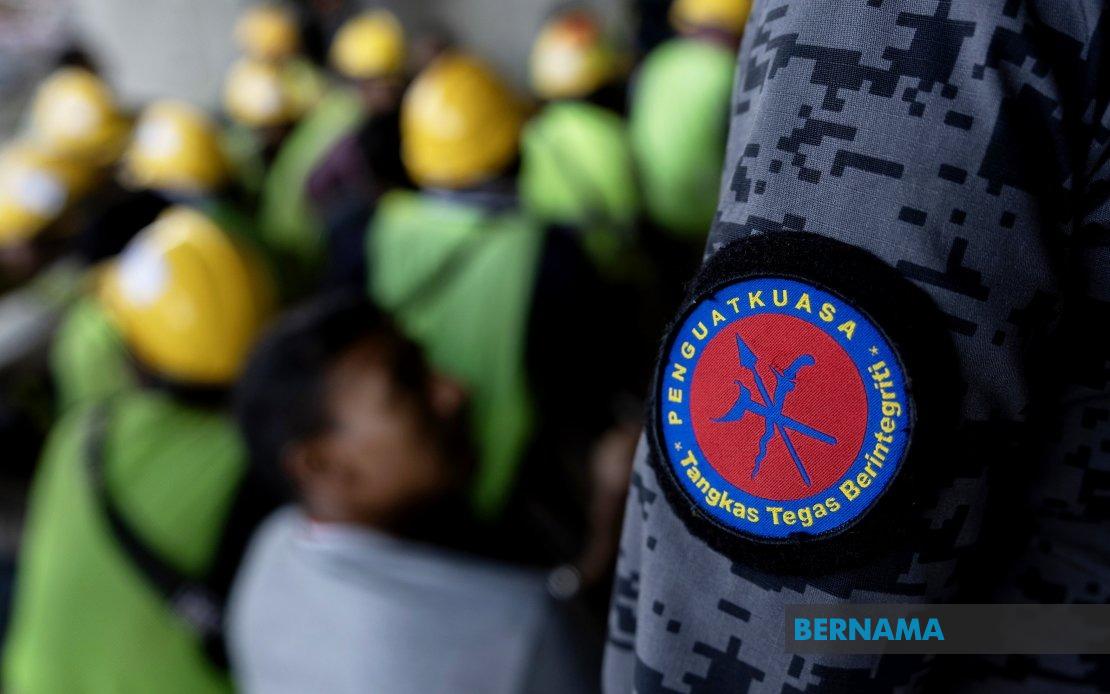
The Immigration Department (JIM) is bringing its passport renewal services directly to the public through a three-day operation at IOI City Mall in Putrajaya starting July 16, marking an effort to make the traditionally office-bound process more accessible to Malaysian citizens across the Klang Valley region. The initiative, operating from 10 am to 10 pm daily through July 18, forms part of the department's broader Customer Meeting Day (HBPJIM) 2026 programme and is timed to coincide with the 104th Immigration Day celebrations, reflecting JIM's commitment to modernising how it engages with the community.
For Malaysian passport holders seeking renewal, the convenience factor is significant. Rather than queuing at immigration offices, residents in the greater Kuala Lumpur area can now access the full passport renewal process at a shopping mall venue, potentially reducing waiting times and streamlining administrative procedures. This decentralised approach to public services mirrors similar initiatives by other government departments attempting to meet citizens where they shop and spend leisure time, particularly in urban centres where foot traffic is predictable and accessible.
Beyond the headline passport service, JIM will operate as a comprehensive information hub addressing multiple immigration-related matters. Visitors can request travel status checks, inquire about suspect list status, and receive professional advisory services spanning visas, passes, permits, and foreign worker regulations. For businesses and organisations employing expatriate workers, this represents an opportunity to clarify compliance requirements and obtain guidance on expatriate services without scheduling separate appointments at headquarters.
A particular emphasis of the event involves promoting MyNIISE, the National Integrated Immigration System application. JIM's inclusion of dedicated briefing sessions suggests the department recognises the need for public awareness around this digital platform, which represents its technological pivot toward modernised service delivery. Understanding how to navigate MyNIISE could significantly improve how Malaysians interact with immigration procedures in the future.
The programme extends beyond transactional services into public engagement and community relations. Exhibitions will showcase the new Malaysian International Passport design, immigration enforcement operations, departmental uniforms, and career opportunities within JIM. These displays serve a dual purpose: informing the public about the department's evolving capabilities while potentially recruiting talent from visitors impressed by the organisation's modern approach and career prospects.
For families and younger visitors, the inclusion of JIM mascots Wira and Srikandi provides an element of entertainment and accessibility. Meet-and-greet opportunities with the Special Tactical Team add an educational dimension, allowing the public to understand the enforcement and security aspects of immigration work. Interactive activities throughout the three-day period ensure the event functions as genuine community outreach rather than a purely administrative exercise.
From a policy perspective, this mobile service model addresses a genuine pain point in Malaysian administrative culture. Immigration services have historically been centralised, requiring citizens to travel to dedicated offices during business hours, often encountering queues and limited convenience. By operating extended hours (10 am to 10 pm) and selecting a high-traffic shopping mall, JIM demonstrates responsiveness to how modern urban Malaysians prefer to conduct official business alongside other activities.
The timing during the Klang Valley shopping season and holiday period suggests JIM anticipates strong attendance. IOI City Mall's location in Putrajaya makes it strategically positioned to serve federal territory residents while remaining accessible to those from Selangor. The extended daily hours acknowledge that working professionals may visit outside conventional office times, representing a practical concession to contemporary employment patterns.
Registered visitors receiving complimentary souvenirs signals JIM's attempt to incentivise participation and create a positive association with immigration services. Such engagement strategies, while modest, contribute to building public confidence in government institutions and encourage citizens to address administrative requirements proactively rather than delaying until urgent situations force their hand.
For Malaysian expatriates and their families preparing for overseas travel, the event timing is advantageous. A three-day availability window during mid-July provides opportunities before the school holiday peak and Hari Raya season when passport demand typically surges. Those needing urgent renewals for planned departures might find this mobile service more accommodating than standard office capacity during busy periods.
The programme's integration of multiple immigration functions within a single venue represents efficient service bundling. Rather than citizens making multiple separate visits or appointments, the centralised approach enables comprehensive immigration matters to be addressed simultaneously. This efficiency model, if successful, could inform future service improvements and potentially inspire similar initiatives at other shopping destinations across Malaysia.
Looking forward, the success or challenges encountered during this three-day operation will likely inform JIM's strategic thinking about mobile and decentralised service delivery. Public feedback will be instructive for determining whether expanding such programmes to other major commercial hubs could improve access nationwide and reduce the administrative burden on centralised immigration offices.

