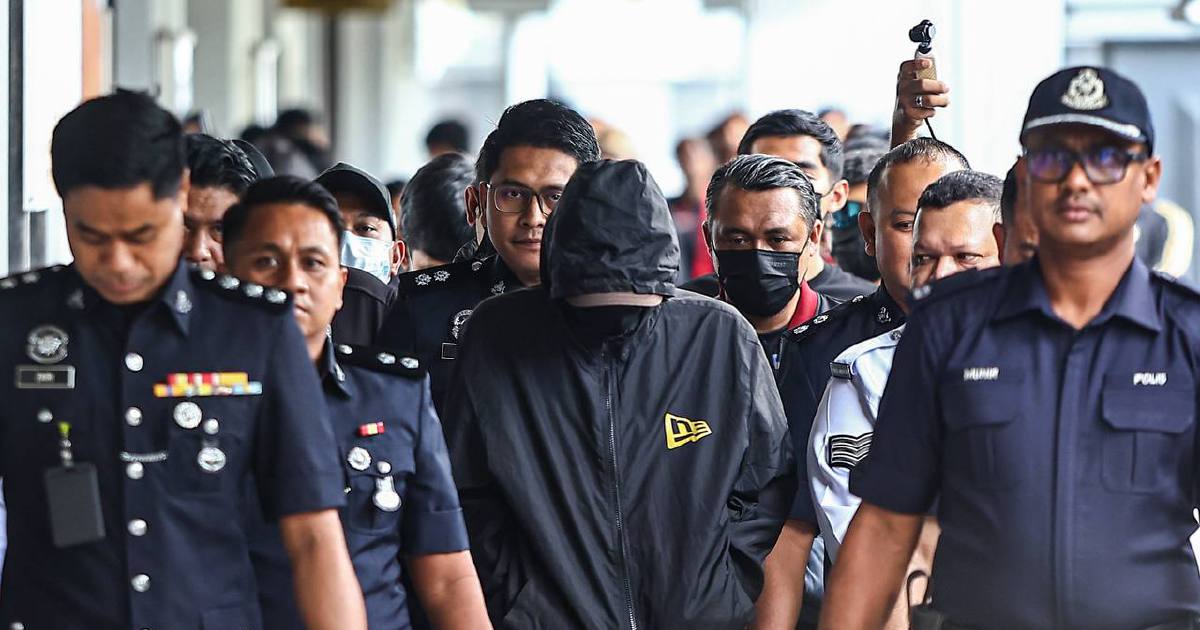
A driver employed by Malaysia's Immigration Department made his first court appearance today to answer charges stemming from a catastrophic collision at Maju Junction that resulted in three deaths. The lorry driver stood in the dock at Kuala Lumpur's magistrates' court, where he was presented with five counts in total—three specifically related to causing death through reckless or negligent operation of a motor vehicle. The incident occurred yesterday at the busy intersection, leaving a family devastated and raising fresh concerns about road safety in one of the capital's key traffic nodes.
The charges underscore the gravity of the crash and the legal consequences that follow when commercial vehicles are involved in fatal accidents. Under Malaysia's penal laws, causing death by reckless or dangerous driving carries severe penalties, reflecting legislative intent to deter negligent behaviour behind the wheel. The fact that a government department's vehicle was involved adds another layer of scrutiny, as public agencies are expected to maintain exemplary safety standards across their fleets and operations.
Maju Junction, situated in the Kuala Lumpur metropolitan area, is a significant interchange that handles substantial daily traffic volumes. The intersection has previously been the subject of traffic management discussions, and incidents here invariably draw attention from road safety advocates and commuters alike. Yesterday's crash, resulting in the loss of three family members, represents the human cost of road accidents that continue to plague Malaysian highways and urban intersections despite decades of public awareness campaigns.
The circumstances surrounding the collision remain under investigation, with authorities examining factors that may have contributed to the tragedy. These typically include vehicle condition, driver fatigue, speed, road conditions, visibility, and adherence to traffic regulations. The preliminary charges suggest investigators have identified elements of recklessness or danger in the driver's operation of the vehicle at the time of impact. Such determinations are crucial, as they inform both criminal proceedings and broader discussions about accountability in road transport.
For families affected by fatal traffic accidents, court proceedings offer one avenue for seeking justice and accountability. The loss of three family members in a single incident represents an extraordinary personal tragedy, compounded by the trauma of witnessing or surviving such an event. Malaysian society has increasingly demanded stricter standards of driver responsibility, particularly for operators of large commercial vehicles whose actions carry elevated risk to other road users.
The involvement of a government department's vehicle introduces institutional accountability considerations. The Immigration Department, like all public agencies, operates fleets of vehicles subject to maintenance schedules and driver standards. Questions may arise during proceedings about whether vehicle maintenance records were current, whether the driver received adequate training, and whether fatigue management protocols were in place. These broader institutional factors, while not directly affecting the individual charges, inform the larger conversation about systematic road safety improvements.
The magistrates' court jurisdiction over such serious charges reflects Malaysia's legal framework, though depending on the investigation findings and prosecutorial decisions, cases involving multiple fatalities may be transferred to higher courts. The decision to file charges rapidly following the incident indicates a swift investigative conclusion by relevant authorities. Typically, traffic accident investigations involving deaths can span considerable timeframes, making quick resolution noteworthy.
Road fatalities in Malaysia remain a significant public health challenge. The country's motorisation rates have expanded dramatically over recent decades, while infrastructure and enforcement have struggled to keep pace. High-visibility accident cases like yesterday's collision at Maju Junction intermittently galvanise public discourse around safer driving practices, vehicle standards, and enforcement strategies. However, translating public concern into sustained behavioural change and institutional reform remains an ongoing challenge for policymakers and road safety authorities.
The broader context of commercial vehicle safety deserves particular attention. Heavy goods vehicles and lorries, by virtue of their mass and momentum, present exceptional hazards when accidents occur. Driver training standards, hours of service regulations, vehicle maintenance requirements, and enforcement mechanisms all contribute to either amplifying or mitigating these inherent risks. International best practices from jurisdictions with superior road safety records offer potential frameworks for Malaysian authorities to consider as they address commercial transport safety systematically.
As the case progresses through the court system, the legal process will establish facts, determine culpability, and apply appropriate legal consequences. For the affected family and broader community, the proceedings may also provide information about what occurred and why. Simultaneously, relevant government agencies and road safety bodies should use such high-profile incidents as catalysts for reviewing existing policies, enforcement practices, and driver training protocols. Without systematic institutional responses to recurrent tragedy, individual prosecutions, however justified, represent responses to symptoms rather than causes of Malaysia's ongoing road safety crisis.

