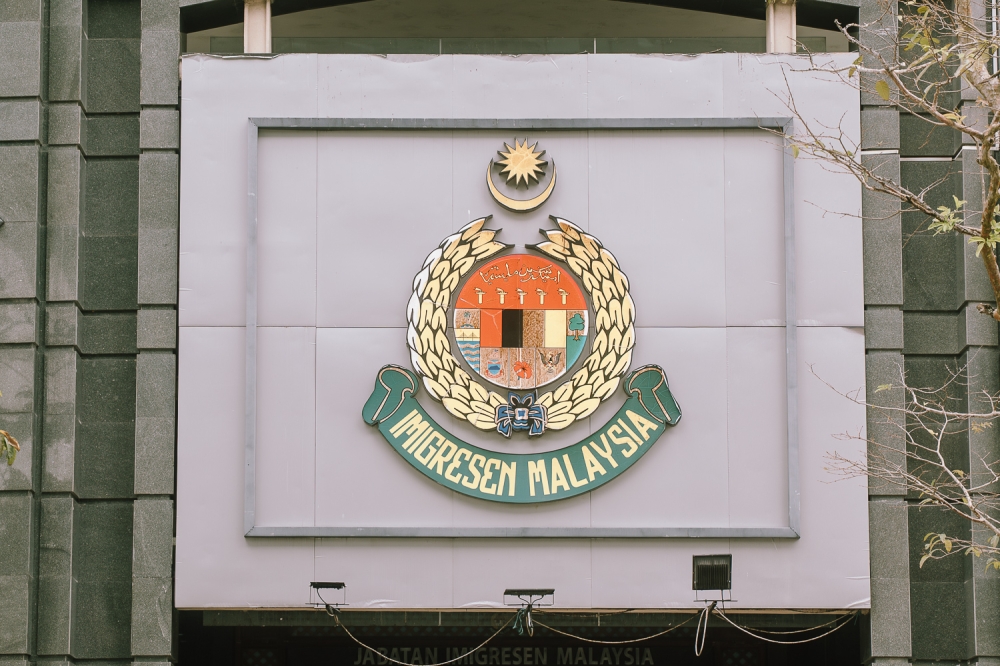
The Malaysian Immigration Department has dealt a significant blow to document fraud operations in the country, apprehending three Indonesian nationals implicated in running a clandestine passport forgery syndicate across Kuala Lumpur. The enforcement action, which unfolded through coordinated raids, represents an intensified crackdown on transnational document trafficking networks that continue to pose security risks to the region and undermine the integrity of Malaysia's immigration systems.
Among those detained was a man identified as the suspected mastermind of the operation, authorities confirmed. His arrest marks a critical development in investigations that have likely been tracking the network's activities over an extended period. The other two detainees, also Indonesian nationals, are believed to have played supporting roles in the production and distribution chain, suggesting an organized structure with defined responsibilities and operational hierarchies.
The immigration authorities recovered 119 forged passports during their search operations, a haul that underscores the scale of illegal document production this syndicate had managed to maintain. The sheer volume of counterfeit travel documents recovered indicates the operation had already achieved substantial output before being disrupted, raising concerns about how many fraudulent documents may have already entered circulation and crossed international borders undetected.
Document forgery remains a persistent transnational challenge in Southeast Asia, where sophisticated printing technologies and porous borders create opportunities for criminal networks to thrive. Malaysia, as a major regional hub with extensive international connectivity, faces particular vulnerability to such operations. The ease with which individuals can transit between neighbouring countries, combined with the high demand for false travel credentials among migrants, human trafficking victims, and fugitives, sustains market pressures that incentivize organized crime groups to maintain these operations.
The implications of this particular bust extend beyond the immediate arrests. Forged passports facilitate a range of downstream criminal activities, including human trafficking, terrorism financing, money laundering, and drug smuggling. By disrupting the supply of fraudulent documents, authorities have removed a critical enabler from the criminal ecosystem operating within Malaysian territory. Intelligence agencies throughout the region will likely share findings from this investigation to identify connected networks and prevent similar operations from establishing themselves elsewhere.
The arrests come as Malaysia continues to grapple with managing its porous maritime boundaries and land borders, through which undocumented migrants and smuggling operations regularly attempt transit. Immigration enforcement agencies have increasingly recognized that combating these flows requires not only processing and detention at entry points but also disrupting the upstream criminal infrastructure that facilitates illegal movement. Document forgery syndicates represent precisely the kind of target that can yield outsized security benefits when eliminated, as their removal forces would-be migrants and smugglers to pursue riskier and more detectable alternative routes.
Indonesian nationals have been identified in previous document fraud cases within Malaysia, suggesting patterns that may reflect both the relative proximity of source countries and established networks spanning the Strait of Malacca region. Cooperation between Malaysia's Immigration Department and Indonesian law enforcement will likely deepen as investigators trace the broader organizational structure of this syndicate and identify whether it maintained connections with larger human trafficking networks operating throughout the region.
The investigation and seizure also highlight the technical sophistication required to detect modern passport forgeries. Malaysian immigration authorities have invested in capacity-building and technology upgrades to identify fraudulent documents at borders and during enforcement operations. The recovery of 119 passports suggests that intelligence gathering, possibly from informants within migrant communities or from other law enforcement agencies, played a crucial role in locating the operation's base of activity.
The broader context surrounding this bust reflects Malaysia's strategic interests in maintaining border security while managing legitimate flows of travel and commerce. The country hosts approximately two million documented foreign workers and receives millions of tourists annually, requiring immigration systems that balance facilitation with enforcement. Document fraud undermines this equilibrium by introducing security risks and complicating legitimate traveller processing. Each successful enforcement operation contributes incremental improvements to the overall security posture of Malaysia's immigration infrastructure.
Future developments from this investigation may yield additional arrests as authorities map the complete network of suppliers, producers, and end-users connected to this syndicate. Interrogations of the three detainees will likely focus on identifying customers who obtained false passports and mapping connections to larger criminal organizations. Coordinated action with other Southeast Asian nations through mechanisms such as ASEAN cooperation frameworks can amplify the investigative impact and deter would-be operators from establishing replacement networks in the region.

