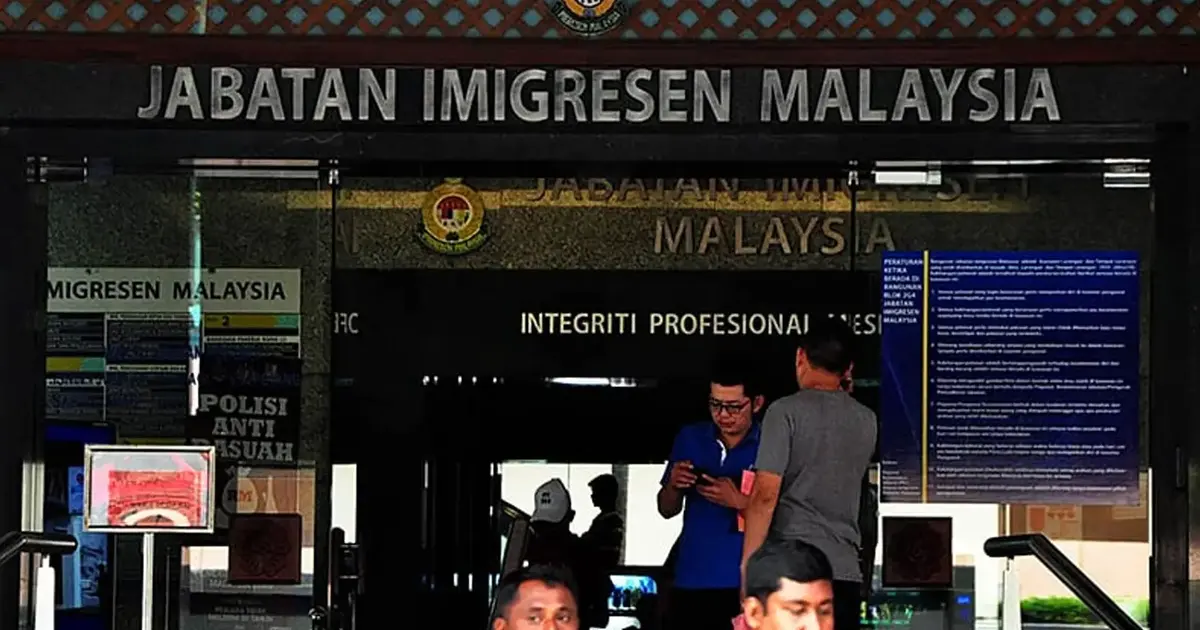
Malaysia's Director-General of Immigration has disclosed that investigators identified the officers responsible for the MyIMMs system breach from the outset, even as the scandal unfolded into one of the most serious cybersecurity incidents to strike a government agency in recent years. The statement provides significant insight into how swiftly authorities moved to contain and investigate what appears to be an internal conspiracy rather than an external cyberattack, a distinction that raises uncomfortable questions about institutional oversight within the immigration department.
Eleven officers stand accused of orchestrating an elaborate scheme to compromise the integrity of the MyIMMs platform, leveraging their administrative access to process unauthorised applications and secure improper approvals for PLKS, or Permit Lepas Kuarantin Syarat, a conditional release permit system. The alleged conspiracy represents not merely a technical breach but a fundamental betrayal of public trust, as those entrusted with enforcing immigration law allegedly weaponised their positions to circumvent the very regulations they were sworn to uphold.
The revelation that authorities knew the identities of the perpetrators from day one suggests the investigation proceeded with considerable efficiency, though it simultaneously raises questions about how such malfeasance escaped detection for what appears to have been an extended period. The speed of identification points to either robust internal monitoring systems or alternatively, a relatively visible pattern of anomalous activity that should have triggered alarms far earlier. The immigration department has not disclosed exactly how long the unauthorised access persisted before discovery, a critical detail for understanding systemic vulnerabilities.
The MyIMMs platform represents a cornerstone of Malaysia's immigration administration, processing applications from both domestic and international users navigating visa requirements, permits, and status verification. Compromising this system's integrity compromises the entire bureaucratic apparatus designed to manage human movement across Malaysia's borders. For citizens and legitimate visa applicants, the breach raises concerns about whether their own data and applications remain secure within the system's databases, and whether approvals they received might be scrutinised retrospectively.
The PLKS permits at the heart of the allegations function as mechanisms for conditional release from quarantine, particularly relevant in the post-pandemic context where immigration authorities maintained enhanced health protocols. Issuing unauthorised permits would have allowed individuals to bypass quarantine requirements, potentially circumventing public health safeguards. The implications extend beyond immigration administration into pandemic response integrity, assuming the scheme operated during periods when such permits carried public health significance.
For Malaysia's broader digital governance agenda, this incident reinforces uncomfortable realities about the persistent vulnerability of critical government systems to insider threats. While cybersecurity investments increasingly focus on external threats and sophisticated hacking groups, employees with legitimate system access remain among the most dangerous vectors for institutional compromise. The case demonstrates why identity verification, role-based access controls, and comprehensive audit trails must form the foundation of any secure administrative system handling sensitive government functions.
The arrest of eleven officers suggests this was not isolated misconduct by a single rogue actor but rather a coordinated operation involving multiple individuals across different levels or departments. Such coordination implies either a pre-existing criminal network within the immigration service or alternatively, organised external actors who successfully recruited willing insiders. The nature of the conspiracy remains unclear from available information, though the scale hints at systematic rather than opportunistic wrongdoing.
Regional implications should not be overlooked. Immigration systems across Southeast Asia maintain interconnected protocols for tracking travel, visa approvals, and cross-border movement. Compromise of Malaysia's MyIMMs system could theoretically create vulnerabilities affecting regional security cooperation and information-sharing arrangements with neighbouring countries. Thailand, Singapore, and Indonesia maintain various bilateral and multilateral arrangements with Malaysia's immigration authorities; any loss of confidence in the integrity of Malaysia's system could strain these collaborative relationships.
The government has not yet disclosed whether investigations revealed attempts to monetise the breach through sale of illegally processed permits, whether organised criminal networks exploited the compromised system, or whether the scheme operated purely for personal enrichment of the officers involved. These distinctions carry substantial weight in assessing both the immediate security threat and the systemic reforms necessary to prevent recurrence.
Moving forward, the immigration department faces pressure not only to prosecute those responsible but to demonstrate comprehensive remediation of underlying vulnerabilities. This likely includes independent security audits of the MyIMMs infrastructure, enhanced monitoring of officer access patterns, and potentially significant software or hardware upgrades. The public confidence dimension cannot be understated; citizens require reassurance that the gateway to Malaysia's migration systems functions with the security and integrity befitting an institution managing national security concerns.
The timing of this disclosure, following the immediate identification of suspects, suggests authorities may be positioning the narrative toward efficient resolution and institutional restoration rather than dwelling on systemic failures. However, the public interest demands full transparency about how the breach occurred, how long it persisted, how many fraudulent permits were issued, and what structural changes will prevent similar incidents. Until those questions receive satisfactory answers, the MyIMMs breach will remain emblematic of how institutional complacency can undermine critical government infrastructure.

