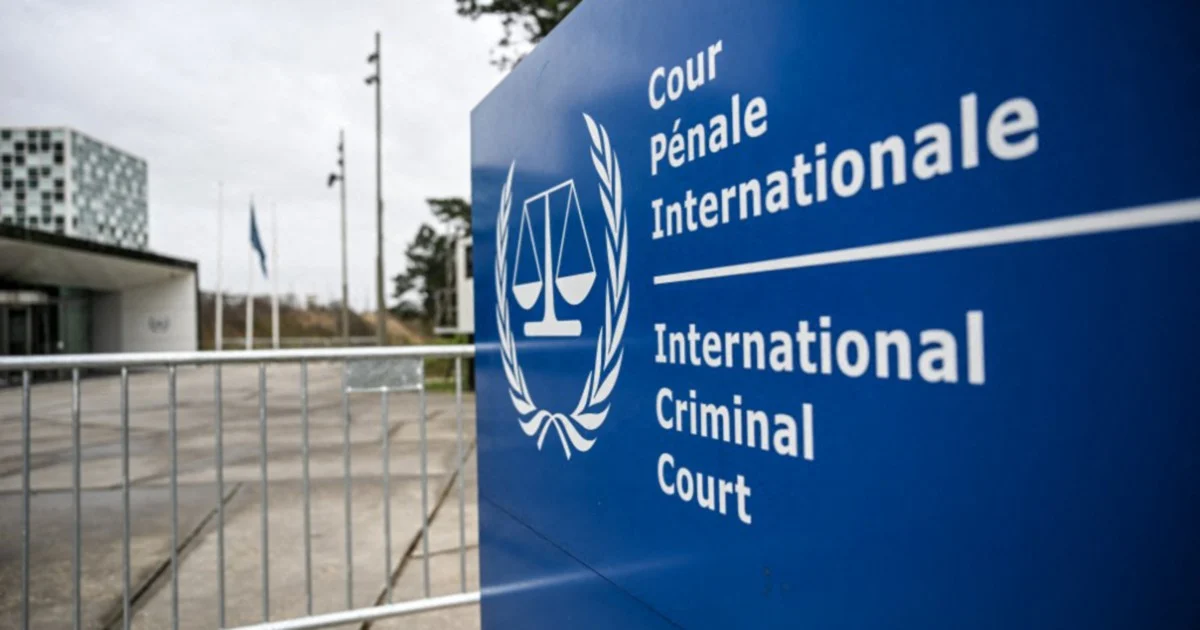
Three judges from the International Criminal Court launched legal action in New York on Wednesday, directly confronting President Donald Trump and other top-ranking US government officials over sanctions they say were imposed without lawful justification. The lawsuit represents an extraordinary clash between the American executive branch and the international judicial institution, raising fundamental questions about the scope of presidential authority and the legal standing of international officials operating outside US jurisdiction.
The sanctions at issue represent part of a broader pattern of American pressure against the ICC. The Trump administration has previously signalled its hostility towards the institution, viewing its independence and investigative mandate with suspicion. The targeted measures against the judges appear designed to penalise the court for pursuing investigations or prosecutions that the US government opposes, though the specific investigations in question and the formal justifications cited by Washington remain central to understanding the dispute.
The judges contend that the sanctions regime violates fundamental principles of international law and American legal doctrine. Their core argument rests on the assertion that the United States lacks statutory authority to impose such measures against judges performing their official functions. The lawsuit emphasises that these individuals were acting in their capacity as judicial officers executing their mandate under the Rome Statute, the treaty establishing the ICC. This distinction—between personal conduct and official duty—has long been central to international law and the concept of judicial immunity.
From a Southeast Asian perspective, this dispute carries particular significance. The region has watched carefully as major powers navigate relationships with international institutions. Malaysia and other ASEAN nations maintain varying positions on ICC engagement, and the American challenge to the court's independence could influence how regional governments perceive the institution's credibility and viability. The lawsuit demonstrates that even powerful nations now resort to targeted legal challenges rather than simple withdrawal when confronting international bodies they oppose.
The sanctions mechanism itself warrants closer examination. American restrictions against ICC officials typically involve asset freezes and travel bans—measures designed to impose tangible costs without formal prosecution. Such tools reflect a form of statecraft that bypasses traditional diplomacy and legal norms, functioning instead as unilateral punishment for institutional behaviour the US government dislikes. The judges' lawsuit argues these measures circumvent proper legal procedures and ignore the immunity protections that should attach to their official positions.
The complaint filed by the three judges raises constitutional and statutory questions that American courts have not frequently addressed. Specifically, the judges argue that the sanctions lack adequate legal foundation under US law and that their imposition violates due process principles. The lawsuit also likely invokes international law obligations that the United States has undertaken, including respect for the immunity of international officials engaged in their official duties.
This case arrives at a moment of substantial tension between the Trump administration and international institutions broadly. The dispute over ICC sanctions forms part of a larger pattern of American scepticism towards multilateral bodies and international legal frameworks. The administration has expressed concerns that the ICC lacks accountability mechanisms and that it pursues investigations and prosecutions that conflict with American strategic interests. However, the judges' lawsuit pushes back against the notion that executive officials can simply ignore legal constraints when dealing with international bodies.
The procedural path forward remains uncertain. American courts have traditionally shown reluctance to intervene in foreign policy decisions, often invoking the political question doctrine to defer disputes to executive and legislative branches. However, the specific statutory claims raised by the judges—arguing that the sanctions lack a proper legal foundation rather than merely challenging policy wisdom—may present a different category of question that courts view as justiciable. The outcome could establish important precedent regarding the limits of executive power in imposing sanctions regimes.
For the ICC itself, the lawsuit reflects escalating friction between the court and its most powerful critic. The institution has faced mounting pressure from various quarters, including from countries under investigation and from nations that view it as overreaching. American sanctions against its officials represent perhaps the most direct governmental challenge to the court's independence and viability. If courts rule in favour of the judges, it could vindicate the ICC's institutional independence; if American officials prevail, it may encourage further pressure against the institution.
The dispute also illuminates broader questions about institutional design and accountability in international law. The ICC operates with substantial independence from member states, but this autonomy comes at a cost when powerful nations conclude that the institution's actions conflict with their interests. The judges' lawsuit essentially argues that even if the US government disagrees with ICC decisions, it cannot respond through unilateral coercive measures that violate international legal principles protecting official immunity.
Regional observers should note that this case occurs amid broader American reassessment of international commitments. Southeast Asian nations that engage with the ICC or participate in international legal frameworks must consider how US policy shifts might affect their own relationships with such institutions. The lawsuit and its eventual outcome will likely influence how nations perceive the durability and independence of international legal bodies when confronted with pressure from major powers.

