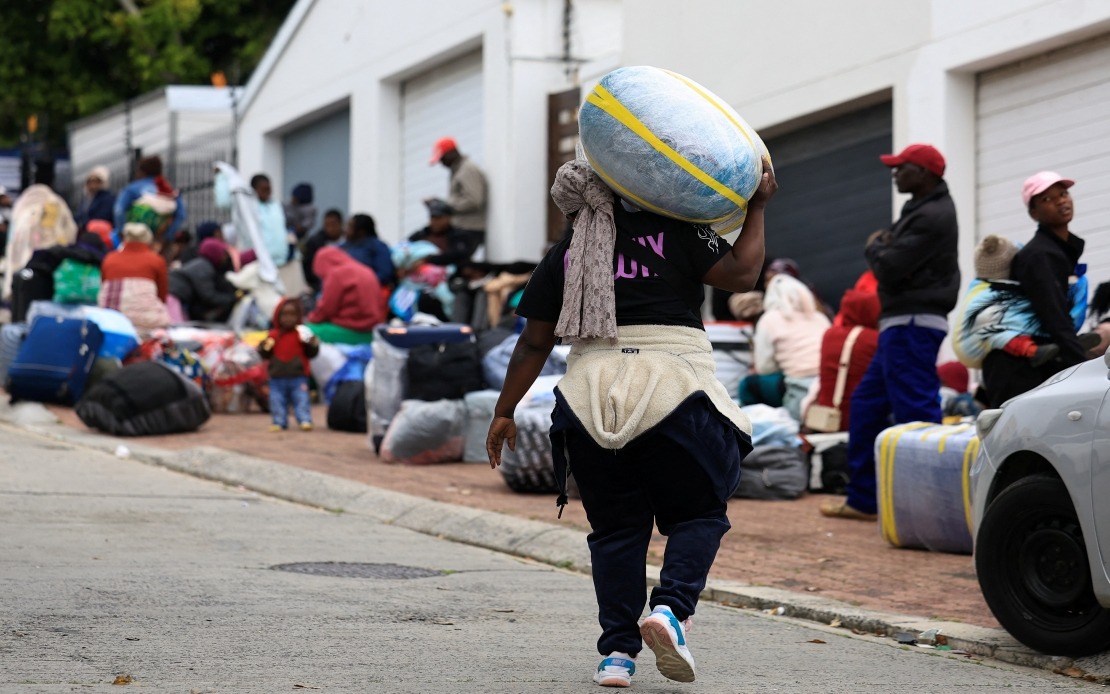
Authorities in South Africa commenced the relocation of approximately 400 Zimbabwean nationals and several Malawians on Saturday from a temporary processing facility in Cape Town's Epping suburb, signalling a significant shift in how the government is handling a mounting crisis tied to anti-immigrant sentiment in the Western Cape. The transfers mark an effort to consolidate migrant processing at a centralised location in Musina, a town in Limpopo Province near the Zimbabwean border, where thousands of other foreign nationals are already queuing for official documentation and eventual repatriation arrangements.
The movement of migrants away from Cape Town reflects mounting pressure from xenophobic groups that had set an unofficial but widely publicised deadline of June 30 for undocumented foreigners to depart South Africa voluntarily. This threat prompted around 3,000 people to seek refuge outside the Zimbabwean consulate in the city over the preceding fortnight, fearing violent confrontations linked to anti-immigrant demonstrations that have gathered momentum across the province. The relocation represents an attempt by the Department of Home Affairs to defuse tensions whilst simultaneously managing the logistics of processing and returning thousands of asylum seekers and illegal migrants to their countries of origin.
The Epping processing centre, which had been hastily converted to accommodate the surge in migrants fleeing potential violence, has struggled with basic humanitarian challenges. Organisations providing voluntary assistance have been working to distribute food, water, and maintain sanitation facilities at the overcrowded site, yet health concerns have emerged among the population. Aid workers have documented cases of diarrhoea and flu-like symptoms spreading amongst residents, raising alarm about disease transmission in the densely packed conditions where families have been sheltering for extended periods.
Conditions at the facility deteriorated further as additional migrants continued to arrive overnight on Saturday, with roughly 400 newcomers finding themselves unable to access the centre after it began winding down operations. These newly arrived individuals were forced to wait in nearby areas, compounding the humanitarian concerns already facing authorities. The decision to transfer populations northward was accelerated in part by the practical and political necessity of clearing the Cape Town site before further incidents could occur.
Yekuai Mokoena, a Zimbabwean national who had spent several nights both outside the consulate and within the processing centre alongside her two children, epitomised the desperation facing those caught in the crisis. When asked to describe the circumstances, she could only offer a terse assessment: "The situation is bad." Her stark words captured the physical discomfort, psychological strain, and uncertain futures that defined the experience of migrants awaiting government intervention during this turbulent period.
The relocation process itself remained chaotic on Saturday afternoon, with buses progressively loaded with passengers and their possessions as authorities worked to transport people northward. Those managing departures simultaneously issued directives encouraging remaining applicants to travel independently to the Musina facility rather than congregating in Cape Town. This two-pronged approach—actively relocating some whilst directing others to self-report at a central hub—suggests the government recognised the unsustainability of maintaining multiple processing sites whilst anti-immigrant sentiment continued escalating in the Western Cape.
For Malaysia and Southeast Asian nations, this development carries significant implications. Regional governments monitoring South Africa's handling of migrant crises may draw lessons regarding the dangers of allowing xenophobic sentiment to escalate unchecked, particularly when informal deadlines and community pressure override formal legal processes. The situation also underscores vulnerabilities that migrants from developing economies face when residing in third countries, especially during periods of economic hardship or political instability that fuel scapegoating of foreign populations.
The concentration of migrants at Musina raises fresh concerns about conditions at that facility and the capacity of authorities to process thousands simultaneously. Reports indicate that Musina was already overwhelmed with foreign nationals awaiting repatriation, suggesting that the influx from Cape Town would further strain resources and extend waiting periods. The sustainability of operations at a single bottleneck location remains questionable, potentially delaying the return of Zimbabweans and Malawians to their home nations whilst they remain in limbo within South African territory.
Zimbabwe's consulate in Cape Town had become a focal point for desperate migrants seeking official assistance, yet the institution lacked capacity to meet demand. The spillover of thousands onto surrounding streets prompted humanitarian concerns and triggered the government's intervention. The absence of adequate consular services in South Africa's major urban centres reflects the broader challenge faced by Southern African countries in protecting their nationals abroad, particularly those lacking documentation or legal status in host nations.
South Africa's approach to this crisis carries implications for regional migration management frameworks within the Southern African Development Community. If authorities successfully process and repatriate populations through the Musina facility without further violence, it may establish a precedent for handling similar influxes elsewhere. Conversely, if conditions deteriorate or bottlenecks persist, neighbouring governments may face pressure to absorb returning nationals or support reintegration efforts, particularly Zimbabwe which has experienced significant outmigration in recent years due to economic dysfunction.
The episode reveals tensions between South Africa's role as the region's economic hub attracting migrants and mounting domestic pressure to restrict immigration. As economic conditions tighten and unemployment persists, anti-immigrant narratives gain political traction, creating dangerous environments for foreign nationals regardless of their legal status. The informal deadline and subsequent relocation demonstrate how political rhetoric can translate rapidly into material consequences affecting vulnerable populations with limited recourse to justice or protection.

