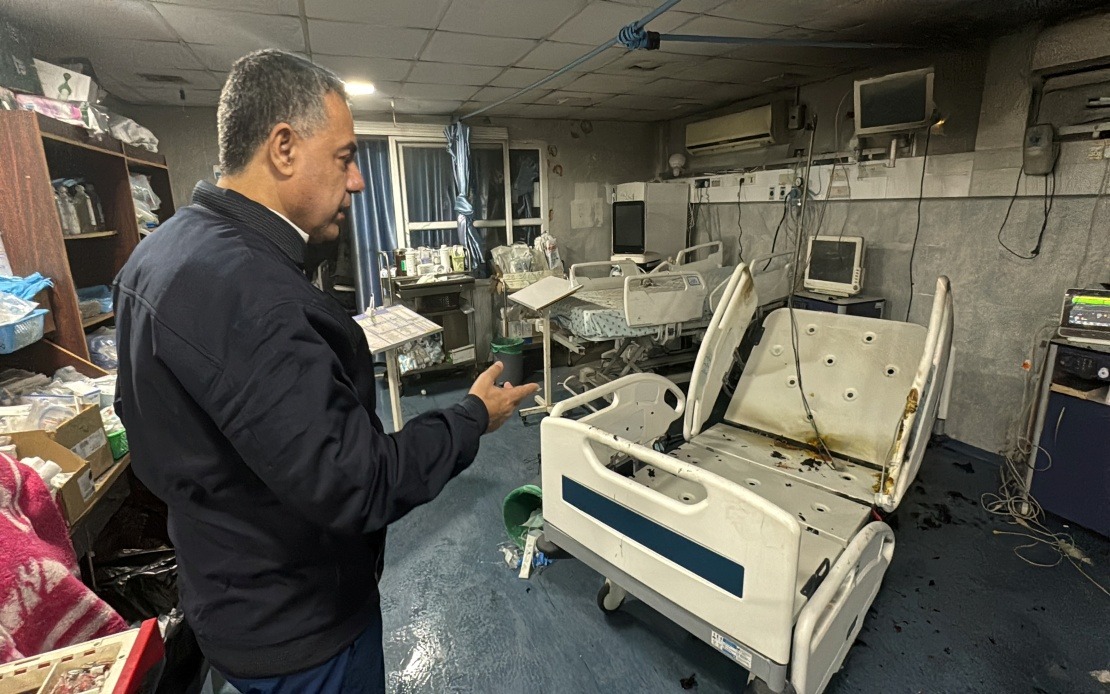
A prominent Palestinian hospital administrator is in grave danger following his transfer to Israeli custody, according to investigations by an international medical advocacy group. Dr Hussam Abu Safiya, who directed Kamal Adwan Hospital in northern Gaza, has experienced a marked decline in his physical condition since his arrival at Israel's Nitzan Prison, prompting urgent warnings from Physicians for Human Rights Israel about the threat to his life.
The alarm was raised after the organisation's legal representative, Nasser Odeh, conducted a formal prison visit on July 2 to assess the detained director's welfare. During that meeting, Odeh documented a troubling catalogue of injuries and symptoms that paint a picture of severe physical mistreatment. Visible marks and bruises covered Dr Abu Safiya's head, face, and neck area—damage so extensive that his appearance had become substantially altered. Beyond these external wounds, he displayed worrying signs of internal distress, including difficulty breathing and multiple episodes where he lost consciousness during the conversation.
The conditions under which the hospital director was presented for the visit further underscore concerns about his treatment. Prison officials brought him to the meeting heavily restrained, with shackles binding both his hands and feet. The security precautions appeared excessive for a medical professional who previously worked in civilian healthcare. Armed guards, their faces concealed behind masks, maintained a constant presence throughout the encounter, creating an intimidating atmosphere that raised questions about the necessity of such measures.
The deterioration in Dr Abu Safiya's health follows a pattern that human rights monitors have identified as significant. According to Naji Abbas, who oversees the Prisoners and Detainees Department at Physicians for Human Rights Israel, the documentation provided by the organisation's lawyer represents some of the most disturbing testimony collected since the conflict's escalation. The timing is particularly concerning—his condition appears to have worsened notably after he challenged his continued detention through the court system, suggesting a possible correlation between his legal resistance and the intensity of his mistreatment.
Most alarming is Dr Abu Safiya's own stated fear that he may not survive his detention. During his meeting with the lawyer, he expressed grave concerns about his safety and survival prospects while in Israeli hands. This fear, combined with the physical evidence of harm and the unexplained loss of consciousness episodes, has prompted the human rights organisation to treat the situation as a potential medical emergency requiring immediate external intervention.
Physicians for Human Rights Israel is calling for Dr Abu Safiya's immediate release, along with other medical professionals the group says are being held in similar circumstances. The organisation's position is that holding such individuals without formal charges or trials violates fundamental legal protections and international humanitarian standards. The use of extended detention without judicial process has become a recurring theme in their advocacy work, particularly regarding healthcare workers detained during the ongoing conflict.
The legal dimension of his case adds another layer of concern. The sequence of events—his court challenge to his detention followed by apparent retaliation in the form of worsened conditions—raises questions about whether detention authorities are using physical punishment as a consequence for legal resistance. Such a pattern would violate principles of prisoner treatment enshrined in international law and conventions governing the conduct of occupying powers.
Israeli authorities, according to the human rights group, bear complete legal responsibility for the physical integrity and life safety of all persons held in custody. This responsibility does not diminish based on the nationality, occupation, or suspected activities of detainees. The international legal framework is explicit that states cannot outsource their duty of care, and that documentation of injuries consistent with assault creates obligations for independent investigation and accountability.
The case of Dr Abu Safiya highlights the vulnerability of medical personnel caught within conflict zones. As a hospital director, he occupied a position serving an entire civilian population, regardless of political or military considerations. His detention without charges and the subsequent apparent mistreatment raise broader questions about the treatment of healthcare workers during military operations and the protection mechanisms that should safeguard them under international humanitarian law.
For Malaysian observers and Southeast Asian readers, this situation underscores the importance of international accountability mechanisms and the role that human rights documentation plays in bearing witness to alleged abuses. The work of organisations like Physicians for Human Rights Israel, in systematically recording injuries and documenting testimony, creates a factual record that can inform future investigations and accountability processes. Such documentation becomes particularly significant when governments have strong incentives to downplay or deny allegations of mistreatment.
The broader implications extend to the treatment of detained persons across all conflict zones. The standards applied to Dr Abu Safiya's detention set precedents that affect how other detainees are treated and what consequences—if any—follow from documented abuse. International scrutiny and pressure, channelled through credible human rights organisations with forensic documentation capabilities, remain among the most effective tools for influencing prisoner treatment standards.
The situation also reflects the particular vulnerability of professionals providing essential civilian services during conflict. Hospital directors, physicians, nurses, and other medical staff occupy a special status under international law precisely because their work serves humanitarian purposes transcending political divisions. When such individuals face detention and alleged assault, it signals a broader erosion of protections meant to preserve civilian space during warfare.

