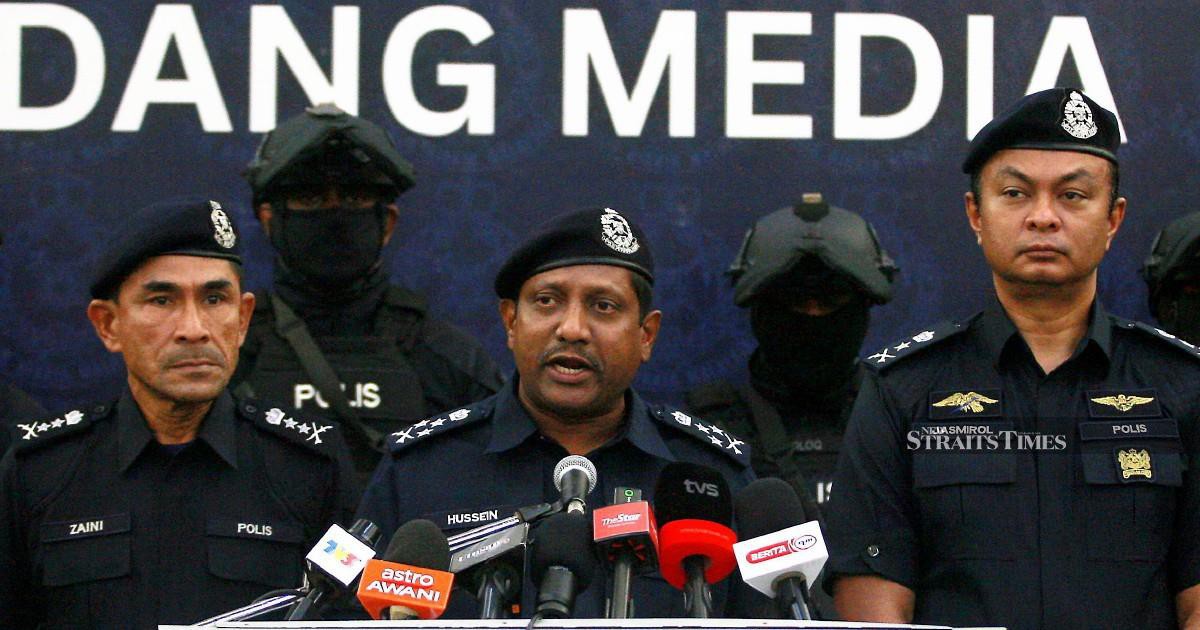
Narcotics police investigating the arrest of a Malaysia Airlines pilot in Jakarta have pieced together a troubling picture: the officer responsible for transporting illicit substances through Kuala Lumpur International Airport appears not to have acted alone. The discovery that he navigated KLIA's security infrastructure despite carrying contraband suggests the involvement of an organised criminal network with potential inside knowledge of airport operations, raising serious questions about vulnerabilities in one of Southeast Asia's busiest aviation hubs.
The investigation represents a significant development in what initially appeared to be an isolated incident of an individual compromising his professional standing. Instead, narcotics authorities now suspect the pilot was part of a larger distribution operation, with connections to drug trafficking cells that may extend beyond Malaysia's borders. The ability to move contraband through KLIA—a facility considered one of the region's more sophisticated ports of entry—without detection indicates either systematic corruption at the airport, exploitation of procedural gaps, or both.
Police have begun focusing on how the pilot's movements through the airport's various security checkpoints went undetected. KLIA processes tens of thousands of passengers daily across its two main terminals, creating both operational complexity and potential blind spots. Investigators are now examining whether someone with legitimate access to restricted areas facilitated the movement of drugs, or whether established smuggling routes through the terminal were simply utilised on this occasion. The revelation has triggered heightened scrutiny of personnel screening protocols and the adequacy of existing security measures.
The Bangkok Post and other regional outlets have noted that such breaches, when they occur, typically involve complicity from airport workers or personnel with security clearance. A commercial airline pilot occupies a unique position within airport hierarchies, enjoying privileged access to secure zones and often facing less intensive personal screening than ordinary passengers due to their professional status. Investigators are exploring whether this occupational advantage was deliberately exploited, or whether standard procedures proved insufficient to detect the specific contraband involved.
The syndicate angle transforms this from a scandal of individual misconduct into a potentially systemic threat to Malaysia's reputation as a secure transit hub. Drug trafficking organisations operating across Southeast Asia are known to recruit professionals with airport access—pilots, ground crew, and security personnel—precisely because their legitimate status provides cover. By establishing how the pilot connected to these networks and where the drugs originated, police can begin mapping the broader distribution architecture and identifying other potentially compromised personnel.
For Malaysia Airlines specifically, the reputational implications are severe. The carrier has already endured international scrutiny following previous incidents; an employee involved in serious criminal activity amplifies concerns about internal vetting procedures and the management of security protocols among flight crew. The airline will face pressure to demonstrate robust investigation into its own ranks and to enhance measures preventing similar incidents. This extends to questions about whether pilots undergo adequate screening for drug-related risks before appointment and during their tenure.
The investigation also has implications for KLIA's management and the Malaysian Aviation Commission. Authorities responsible for the airport must now conduct thorough audits of security checkpoint procedures, access control systems, and staff integrity across both terminals. If systematic vulnerabilities existed that permitted the pilot to move contraband through security, these represent gaps that could potentially be exploited by other criminal actors. The investigation findings will likely drive recommendations for procedural strengthening and technological enhancement.
Regionally, this case adds weight to concerns about drug trafficking networks using air transport infrastructure across Southeast Asia. Countries including Thailand, Indonesia, and Singapore have all documented cases where aviation professionals became conduits for narcotics distribution. The Asean region faces particular vulnerability due to its geographic position, high volumes of legitimate air traffic, and the cross-border nature of criminal enterprises. Information sharing between Malaysia's narcotics authorities and counterparts in other Southeast Asian nations will be crucial for disrupting these networks.
The pilot's arrest in Jakarta rather than at KLIA raises separate questions about surveillance and international coordination. Indonesian authorities intercepted the pilot on arrival, suggesting intelligence sharing between Malaysian and Indonesian agencies, or independent detection by Indonesian customs. This underscores the importance of capabilities at receiving airports to intercept contraband that may have evaded detection at departure points. However, it also indicates that KLIA did not intercept the material domestically, a gap authorities will be keen to explain and remediate.
Investigators are now pursuing leads into the syndicate's operational structure, sources of supply, and distribution networks. The pilot's role—whether he was a casual courier compensated for a single transfer, or a regular participant in ongoing operations—will determine the scale of the conspiracy. Police will examine his financial records, communications, and travel patterns for evidence of repeated involvement or connections to known traffickers. These details are essential for understanding whether authorities are addressing an isolated corruption incident or a functioning criminal enterprise with assets and personnel positioned throughout Malaysian aviation infrastructure.
The case also prompts reflection on how professional credentials and occupational status can inadvertently shield individuals from the scrutiny applied to ordinary passengers. While such access is necessary for operational efficiency, the investigation suggests that security protocols designed to manage this differential treatment may require enhancement. Behavioural assessment, random screening of crew members, and biometric verification of baggage are among measures that might strengthen the system without fundamentally disrupting airport operations.
As investigations proceed, attention will focus on whether the narcotics operation represents an anomaly or symptomatic of deeper problems within airport security culture. The answers will shape not only Malaysia Airlines' internal policies but potentially influence regulatory frameworks across the Asean region, where aviation remains critical to commercial networks and where the intersection of legitimate travel and illicit trafficking demands constant vigilance.

