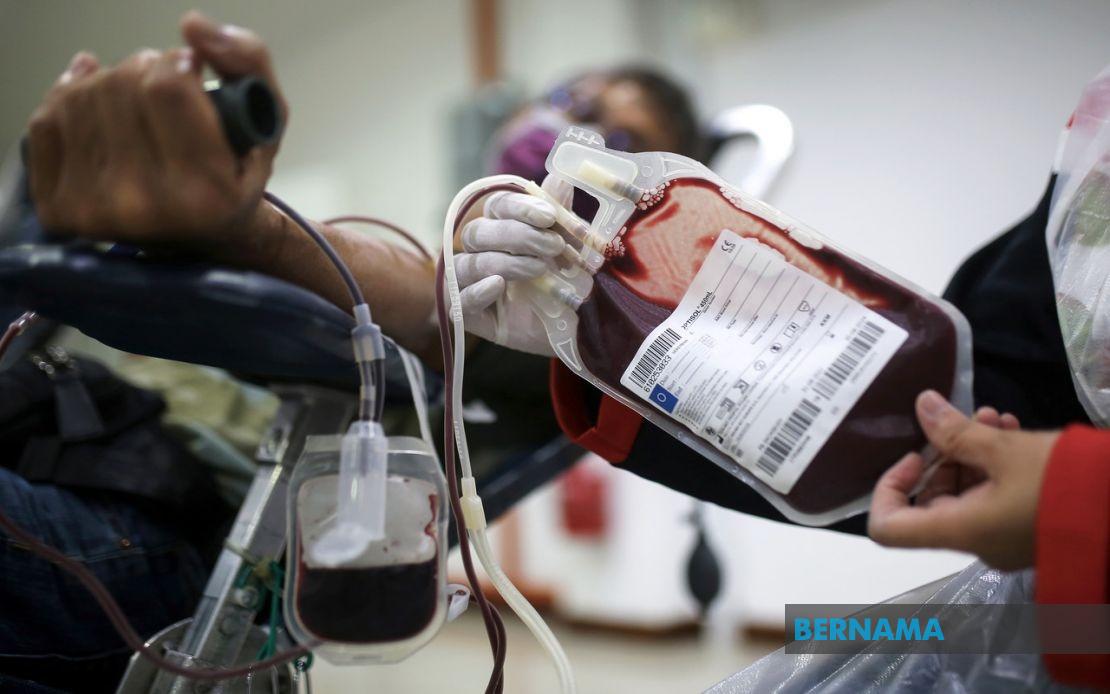
Hospital Sultanah Aminah (HSA) in Johor Bahru has called on the public to come forward as donors, citing critically low reserves of type O and AB blood. The hospital's Transfusion Medicine Department made the plea through social media, highlighting the pressing need to replenish supplies of these particular blood types that have become increasingly difficult to source.
The hospital has established several convenient locations where residents can contribute to addressing this shortage. Prospective donors can access the Johor Bahru Blood Donation Campaign Schedule page online to identify nearby collection points and understand the current donation drives taking place throughout the region.
A sustained donation effort is underway across multiple venues in Johor Bahru this weekend. The Johor Blood Donation Centre, located at Mid Valley Southkey, will operate from 10 am to 6.30 pm from today through Sunday, offering an extended daily window for donors to participate. This venue typically handles higher volumes due to its shopping mall location and accessibility.
Parallel to the main blood donation centre, AEON Mall Bukit Indah has also mobilised a donation drive running through Sunday from 10 am to 3 pm. This satellite location serves to reach donors in different parts of the city and reduce travel barriers for participation. Shopping mall-based drives have proven effective in attracting walk-in donors who may already be in the vicinity for other errands.
The Hospital Sultanah Aminah itself is hosting collection activities at its on-site Blood Donation Centre for two consecutive days, operating from 8 am to 4.30 pm. This venue appeals particularly to those already visiting the hospital for medical purposes, as well as to healthcare workers and staff employed at the facility who wish to contribute.
Type O and AB blood types present particular challenges for blood banks. Type O blood is universally compatible as a donor product, making it the most frequently transfused type across all patient populations. AB blood, conversely, represents the rarest type in most populations, yet patients with AB blood type can only receive AB blood, creating persistent supply constraints.
Blood shortages in Malaysian hospitals reflect broader Southeast Asian challenges in maintaining adequate transfusion supplies. Demand typically surges during festival seasons, following accidents or natural disasters, and during peak surgical schedules. The current appeal from HSA suggests demand has outpaced voluntary donation rates in Johor.
Regular blood donation campaigns remain essential for maintaining hospital reserves, as donated blood has a limited shelf life. Red blood cells can typically be stored for only 35 to 42 days, necessitating constant replenishment through ongoing community donation efforts. Without sustained public participation, hospitals face periodic shortages that can delay non-emergency procedures and compromise patient care during emergencies.
For Malaysian readers, particularly those in Johor, understanding blood type distribution among the population is valuable context. Malaysia's diverse ethnic composition means blood type prevalence varies among communities, with type O being relatively common but AB remaining scarce. This genetic distribution directly influences donation campaign priorities.
Prospective donors should note eligibility requirements typically include being between 18 and 65 years old, weighing at least 45 kilogrammes, and being in good general health. Recent travel, medication use, and certain medical conditions may affect eligibility, making it advisable to check specific requirements before attending a donation drive.
The coordinated effort across multiple venues demonstrates HSA's commitment to addressing supply gaps through enhanced accessibility. By offering donations at varied times and locations, the hospital removes common barriers such as inconvenient hours or distant travel distances that discourage participation.
Community engagement remains fundamental to blood supply sustainability. Malaysia's voluntary blood donation rate has historically relied heavily on regular appeals from hospitals and organised campaigns, making public responsiveness to urgent calls like this one critical for maintaining adequate reserves. Regular donors who establish habits of contributing biannually or more frequently provide the stable foundation upon which blood banks depend.

