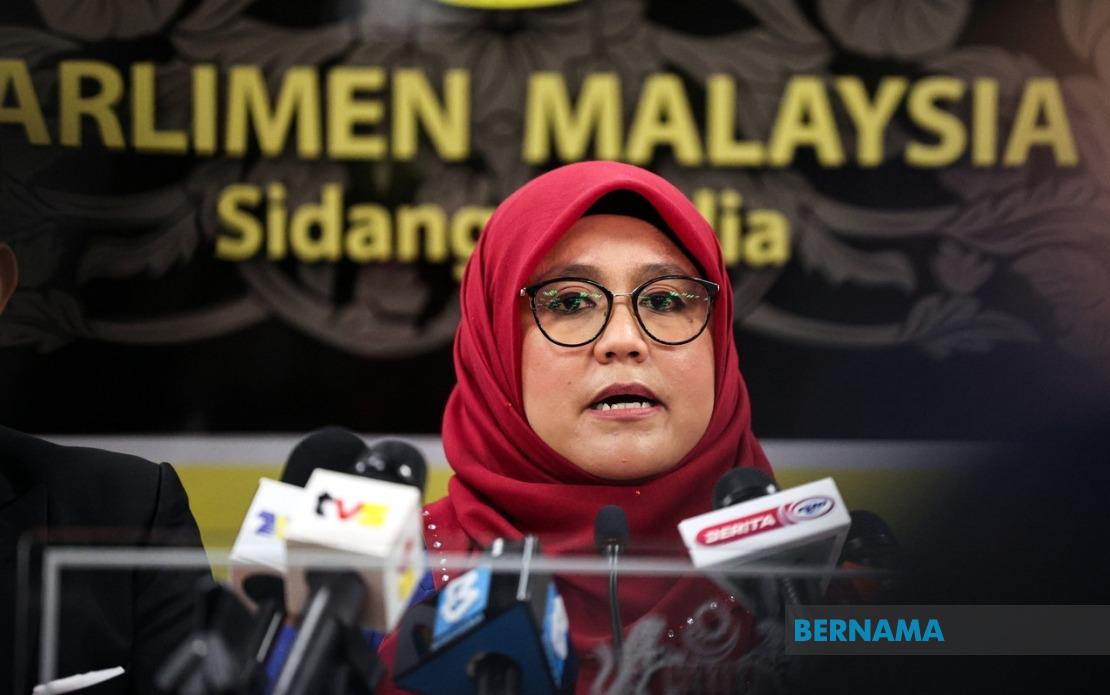
The Public Accounts Committee has concluded that soaring health insurance premiums in Malaysia stem predominantly from unregulated costs imposed by private healthcare facilities, rather than from doctors' professional charges which have been subject to oversight since 2013. According to PAC chairman Datuk Mas Ermieyati Samsudin, the distinction between these two cost categories proves crucial to understanding the nation's insurance affordability crisis. Whilst medical professionals' fees remain constrained by regulation, private hospitals retain unfettered discretion over what the committee terms non-professional charges—spanning everything from medical consumables to diagnostic services, pharmaceutical products, and cutting-edge treatment technologies.
The committee's findings, presented to Parliament on June 25 by Kapar MP Dr Halimah Ali, reveal how private facilities have substantially increased their operating expenditure across multiple dimensions. Rising labour costs, escalating utility bills, and substantial investments in technological infrastructure have conspired to push overall hospital expenses upward. Beyond conventional operating outlays, the PAC identified litigation expenses and the growing practice of defensive medicine as additional cost drivers that ultimately flow through to patient bills and insurance claims. This structural reality means that even if doctors' fees remained frozen indefinitely, insurance premiums would continue climbing as long as hospitals face mounting overheads.
A particularly troubling finding concerns the opacity pervading private hospital billing. The absence of standardised cost structures across Malaysia's private hospital sector has created an environment where calculating the genuine expense of medical procedures proves nearly impossible for patients, insurers, and regulators alike. This informational asymmetry creates fertile ground for pricing practices that would be difficult to justify under sunlight. The committee discovered that hospitals frequently camouflage operating costs within medicine pricing, effectively using pharmaceutical markups to subsidise nursing services, facility utilities, and other expenses that should logically appear as separate line items. Such bundling obscures true service costs and prevents meaningful price comparison across institutions.
More egregiously, the PAC documented unbundling practices where hospitals itemise trivial expenses that logically constitute standard service inclusions. Clinical waste disposal, pillowcases, and alcohol swabs—items that should reasonably feature within room charges or foundational care packages—instead appear as discrete charges. This nickel-and-diming approach, multiplied across thousands of patient admissions annually, accumulates into substantial revenue while systematically degrading transparency. Beyond these internal billing manipulations, the committee identified price discrimination according to payment method. Patients utilising guarantee letters from insurers face systematically higher rates than those settling accounts through cash payments or insurance claim-and-reimbursement arrangements, effectively punishing those with coverage.
Pharmaceutical pricing exhibits equally concerning distortions throughout Malaysia's supply chain. The PAC uncovered situations where generic medications command higher prices than their branded originator counterparts—a reversal of typical international market dynamics that signals pricing divorced from genuine cost factors. More fundamentally, Malaysia's dependence upon single-source manufacturers for over 1,500 registered medicines creates monopolistic conditions enabling suppliers to impose whatever prices market acceptance will tolerate. Without competitive alternatives, neither purchasers nor regulators possess meaningful leverage to negotiate downward. This concentration mirrors global pharmaceutical dynamics but assumes particular significance within Malaysia's price-sensitive healthcare market where insurance affordability directly determines whether ordinary citizens access necessary treatment.
To rectify these interconnected challenges, the PAC has forwarded seventeen recommendations to government, centring upon accelerating deployment of the Diagnosis-Related Group payment methodology. The DRG system, which links reimbursement to diagnoses rather than itemised services, could substantially constrain the unbundling and price discrimination that currently plague Malaysian private hospitals. Beyond this systemic measure, the committee urges legislative amendment to the Private Healthcare Facilities and Services Act 1998 to empower the Ministry of Health with regulatory authority encompassing hospital charges beyond doctors' professional fees. Concurrent recommendations direct the Ministry of Health and the Ministry of Domestic Trade and Cost of Living to establish pricing control mechanisms for medicines and medical equipment whilst exploring direct government procurement arrangements, particularly from domestic manufacturers, to bypass supplier intermediaries and cartel arrangements.
Parliamentary debate involving twelve legislators from government and opposition benches demonstrated cross-factional agreement regarding the urgency of regulatory tightening. Members emphasised that without meaningful cost regulation and increased transparency requirements, insurance premium growth will perpetually outpace wage increases, progressively pricing ordinary Malaysians out of coverage. Legislators specifically called upon Bank Negara Malaysia, the Ministry of Health, and relevant stakeholders to coordinate more actively in confronting medical cost inflation, acknowledging that fragmented regulatory approaches have proven inadequate. The insurance industry itself requires legislative review to strengthen disclosure requirements and constrain premium escalations unmoored from genuine cost developments.
Several parliamentarians advocated substantial additional public healthcare investment as a counterweight to private sector pricing dynamics. By strengthening the government health system's capacity and accessibility, policymakers could create competitive pressure encouraging private hospitals to moderate charges. Concurrently, MPs recommended freezing fee increases at university teaching hospitals until sufficient alternative capacity materialises, preventing institutions positioned as public goods from leveraging their scarcity to impose above-inflation increases. More provocatively, some legislators suggested elevated taxation targeting private hospitals generating substantial revenues from medical tourism, reasoning that facilities profiting handsomely from international patients possess capacity to moderate domestic charges or justify premium pricing through documented service quality improvements.
For Malaysian patients and consumers, these findings validate longstanding frustrations regarding insurance unaffordability despite the absence of regulatory constraints on doctor fees. The structural distortions identified by the PAC—from unbundling to price discrimination to monopolistic pharmaceutical pricing—represent policy choices amenable to reform rather than inevitable market consequences. Implementation of the committee's recommendations would not eliminate private healthcare costs but would create transparency enabling informed decisions and competition driving prices toward genuine service value. The recommendations further signal that meaningful relief requires coordinated action across multiple agencies and legislative bodies rather than isolated interventions. Until such comprehensive reforms advance, Malaysian families will continue confronting the paradox of residing in a middle-income nation where private healthcare charges increasingly exceed affordability thresholds.

