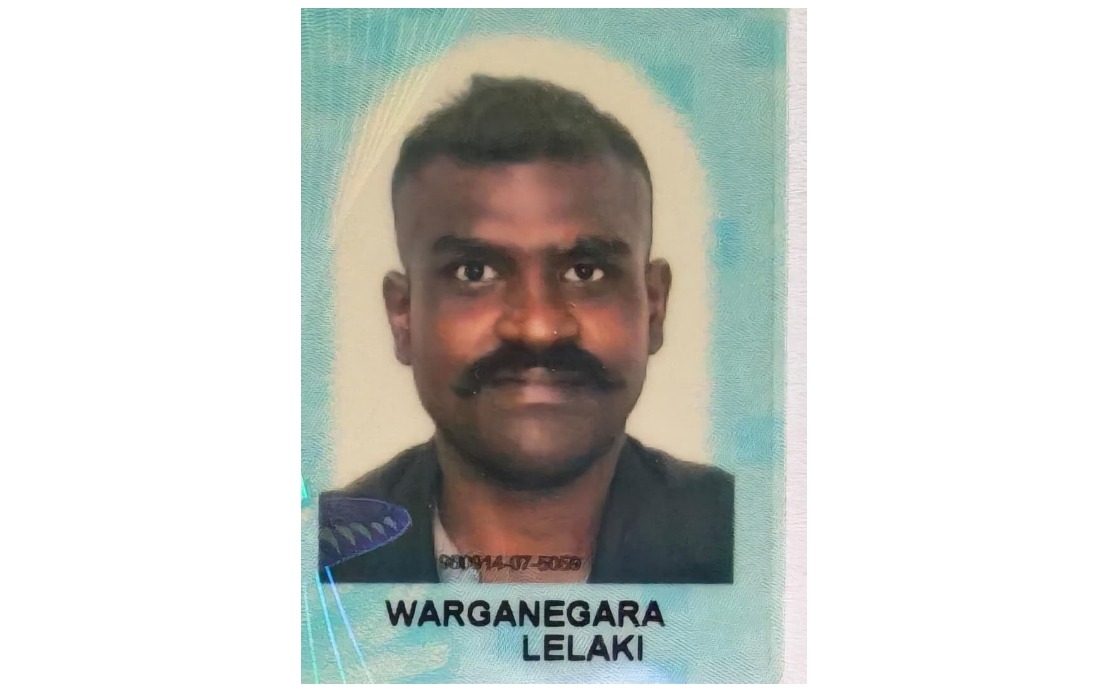
Sungai Bakap Hospital in Nibong Tebal has launched a public appeal to locate family members of M. Balakrishnan, a 29-year-old man who succumbed to severe sepsis with multi-organ failure on August 10. The hospital made the request public on Monday, indicating that despite extensive efforts to trace his relatives through official channels, all avenues have so far yielded no results, leaving the deceased's remains in institutional care pending family contact.
Balakrishnan's case represents a poignant reminder of the challenges faced by homeless individuals navigating Malaysia's healthcare and social welfare systems. The man had been receiving continuous treatment at Sungai Bakap Hospital since May 27, when he was transferred from Bukit Mertajam Hospital while awaiting placement at a residential facility managed by the Social Welfare Department. During his three-month stay in Ward 3, no visitors came to see him, suggesting he may have had limited social connections or family ties in the area where he was admitted.
The hospital's search for Balakrishnan's next of kin has involved coordinated efforts with multiple government agencies. The National Registration Department conducted inquiries using hospital records, identifying a last known address at No. 19, Jalan Sungai Buloh, Taman Segar, Kampung Baru Subang, Selangor. However, when authorities checked the location, they discovered that the premises were occupied by a Malay family with no knowledge of Balakrishnan or any of his relatives. This disconnect suggests the address may have been outdated or that Balakrishnan had been estranged from his family for a considerable period.
The involvement of the Social Welfare Department in Balakrishnan's case underscores the institutional response to homelessness in Malaysia. His transfer from Bukit Mertajam Hospital to Sungai Bakap Hospital was specifically arranged to facilitate his eventual placement in a care centre operated by the JKM. This administrative pathway demonstrates that the system was attempting to provide long-term accommodation solutions for vulnerable individuals, yet the intervention came too late to prevent the serious medical complications that ultimately claimed his life.
The death from severe sepsis with multi-organ failure indicates that Balakrishnan's medical condition had deteriorated significantly during his time on the streets or in precarious circumstances before his hospitalisation. Sepsis, a life-threatening condition arising from the body's response to infection, often develops when individuals lack access to basic hygiene, preventative healthcare, or timely medical intervention. For homeless populations in Malaysia, the pathway to such critical illness frequently involves untreated infections and delayed hospital admission, factors that compound the severity of their condition upon arrival at healthcare facilities.
The hospital's call for public assistance reflects the limitations of administrative databases and official records in tracking individuals who exist at the margins of society. Many homeless persons may have moved frequently, changed contact information, or deliberately distanced themselves from family networks. Others may come from communities where records are incomplete or where multiple name variations exist. In Balakrishnan's case, the inability to identify any family members despite police involvement and National Registration Department checks suggests either profound isolation or administrative gaps in existing databases.
This situation also raises questions about the protocols governing unclaimed remains in Malaysian hospitals. The placement of Balakrishnan's body in the Forensic Medicine Unit at Sungai Bakap Hospital is standard procedure pending resolution of his case, but the time and resources required to locate next of kin can strain institutional resources. For families separated by migration, estrangement, or simply unaware of a relative's dire circumstances, hospital appeals represent the final opportunity to claim their deceased and arrange appropriate funeral rites according to cultural and religious traditions.
The case highlights broader social welfare challenges in Malaysia's urban centres. Homelessness, while less visible than in some regional counterparts, remains a persistent issue affecting individuals across ethnic and socioeconomic lines. Access to mental health services, addiction support, and family mediation programmes remains inconsistent, meaning that individuals experiencing personal crises may lose connection with support networks before reaching institutional care. By the time someone like Balakrishnan comes to medical attention, reconnecting them with family may be extremely difficult.
For Malaysian readers, particularly those in the Klang Valley and northern Perak regions, this appeal represents an opportunity to contribute to resolving a difficult situation. The hospital is inviting anyone with information about Balakrishnan's relatives, prior associates, or background to come forward. Such information could prove crucial not only in determining appropriate arrangements for his remains but also in understanding his personal history and ensuring that his death is recorded accurately in official records.
The broader implications of this case extend to how Malaysia's health and social services coordinate response to vulnerable populations. Successful integration between hospitals, social welfare departments, police, and community organisations is essential for ensuring that individuals in crisis receive comprehensive support. Where these systems function effectively, outcomes may be improved; where gaps exist, outcomes like Balakrishnan's become more likely. The hospital's current appeal is an important step, but it also serves as a reminder that preventative investment in social safety nets and early intervention programmes remains crucial for protecting Malaysia's most vulnerable citizens.

