A 50-year-old woman in Hong Kong now faces murder charges stemming from a violent encounter with a fellow minibus passenger that spiralled fatally out of control. The incident underscores how rapidly ordinary public disputes can transform into tragedy, particularly in crowded urban settings where tensions run high and emotions escalate swiftly. The case has drawn attention to community safety concerns on public transport across the territory, raising questions about intervention and conflict de-escalation in volatile situations.
Police responded to reports of a physical altercation at approximately 10.30pm on Tuesday outside Wah Chui House at Wah Fu (II) Estate in Aberdeen. Upon arrival, officers discovered a 53-year-old woman lying unconscious at the minibus stop. She was immediately transported to Queen Mary Hospital in Pok Fu Lam, where medical personnel pronounced her dead just before 11.22pm. Senior Superintendent Hui Hong-kit, who serves as assistant Western district commander for crime, provided detailed information about the incident during a press briefing on Thursday.
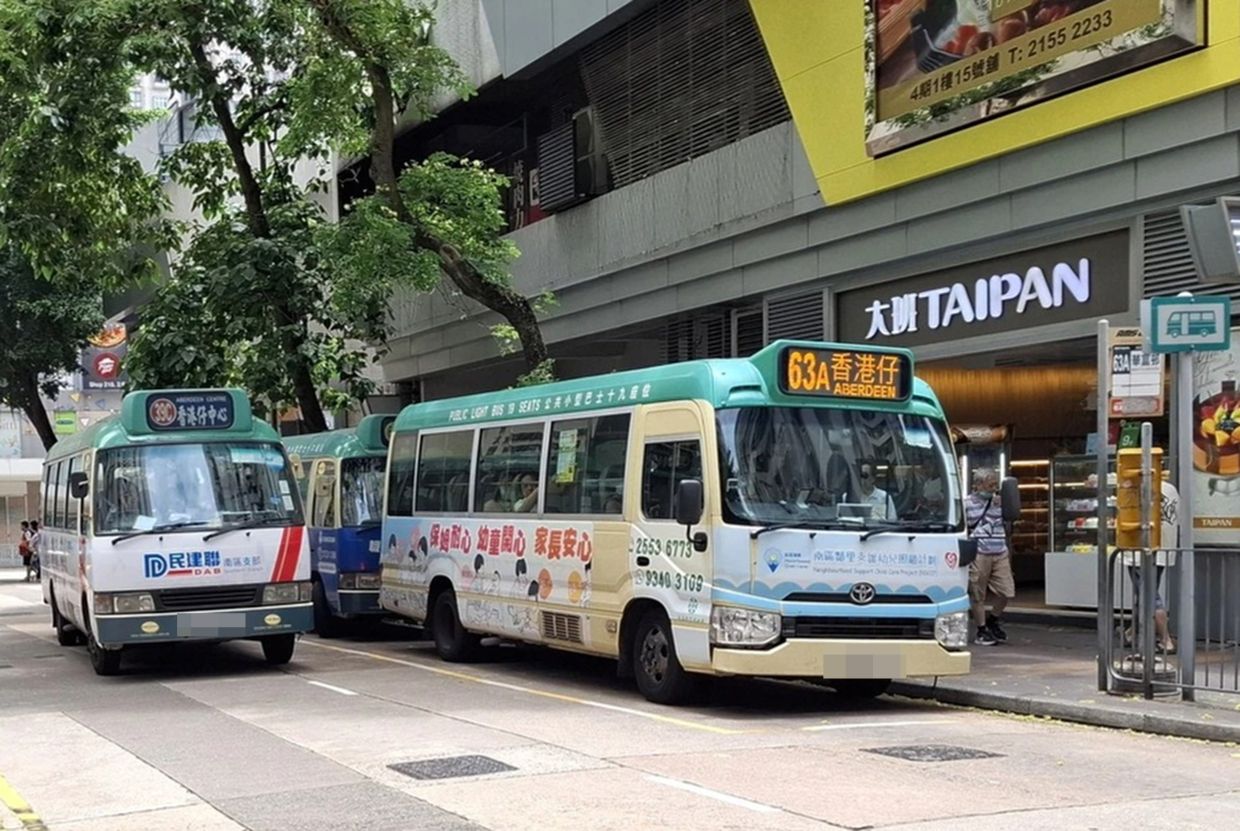
According to investigating officers, the two women were strangers prior to the encounter. The confrontation originated in a seemingly trivial manner—as passengers prepared to exit the vehicle on minibus route 63A, which operates between Aberdeen Centre and Wah Fu (II) Estate, the victim accidentally stepped on the suspect's foot. Rather than the matter ending there, the accused woman retaliated by stepping on the victim in return. What began as an unintentional collision rapidly transformed into mutual antagonism, with both parties engaging in pushing and shoving while still aboard the minibus.
Witnesses reported that the dispute intensified further once the vehicle came to a halt at the designated stop. The victim allegedly dragged her antagonist forcefully from the minibus, and the suspect responded by attempting to kick her. The confrontation then moved onto the pavement, where it continued with increased violence. According to police and eyewitness accounts, the accused woman physically overpowered her opponent, forcing her to the ground before kneeling directly on the victim's abdomen and applying manual strangulation for approximately two to three minutes.
The medical examination revealed the severe nature of the physical assault. The victim sustained distinctive bruising around her neck consistent with strangulation, along with scratches to her hands and face indicating she had attempted to defend herself during the violent exchange. The injuries and circumstances surrounding her death led investigators to escalate the case from a simple public fighting incident to a homicide investigation. The Western district crime squad assumed control of the inquiry and formally reclassified the offence accordingly.
Police apprehended the suspect at 10.42pm when she returned to the scene of the altercation. She admitted to having engaged in the physical confrontation with the victim. She was formally charged with murder and scheduled for arraignment at Eastern Court on Friday morning. The swift arrest and charging decision reflected the apparent clarity of witness testimony and physical evidence gathered at the scene.
A notable detail emerged regarding the victim's background. Police disclosed that the woman who died had previously experienced mental health difficulties, though investigators have not indicated whether this condition contributed to the escalation of the initial dispute. The revelation adds a layer of complexity to understanding the circumstances, though it does not excuse the fatal response mounted by the accused.
What makes this case particularly striking is the public nature of the violence and the apparent failure of bystanders to intervene as the situation deteriorated. Multiple passengers aboard the minibus and pedestrians at the bus stop witnessed the development of the conflict. A 25-year-old bystander eventually contacted police when the victim lost consciousness, but by that point, fatal injuries had already been sustained. The incident raises uncomfortable questions about collective responsibility and the reluctance of onlookers to step in during public disturbances, a phenomenon with implications throughout Southeast Asian cities where public transport is heavily utilised.
Senior Superintendent Hui made an appeal to the community, urging anyone with additional information about the incident to come forward to police. This request suggests investigators may still be seeking to establish a more complete chronology of events or to gather statements from witnesses who may not have initially reported their observations. The thoroughness of the investigation will be critical given that the accused now faces one of the most serious charges in Hong Kong's legal system.
For Malaysian and regional observers, the incident serves as a troubling reminder of how volatile interpersonal encounters can become when confined to enclosed public spaces and when escalation dynamics take hold. The case also highlights varying approaches to public safety on shared transport across different Asian jurisdictions. In Malaysia, similar incidents aboard public buses and minibuses, while rare, have occasionally occurred, prompting renewed discussions about passenger safety protocols and driver training in de-escalation techniques.
The tragic outcome of this minibus journey—stemming from an accidental foot-stepping—underscores the fragility of social harmony in densely populated urban environments. Beyond the legal proceedings against the accused woman, the case invites reflection on how communities can foster environments of mutual respect and restraint, particularly during moments of friction that characterise daily life in bustling cities. The incident will likely influence ongoing conversations about passenger conduct, driver responsibility, and bystander obligations across Hong Kong's public transport system.

