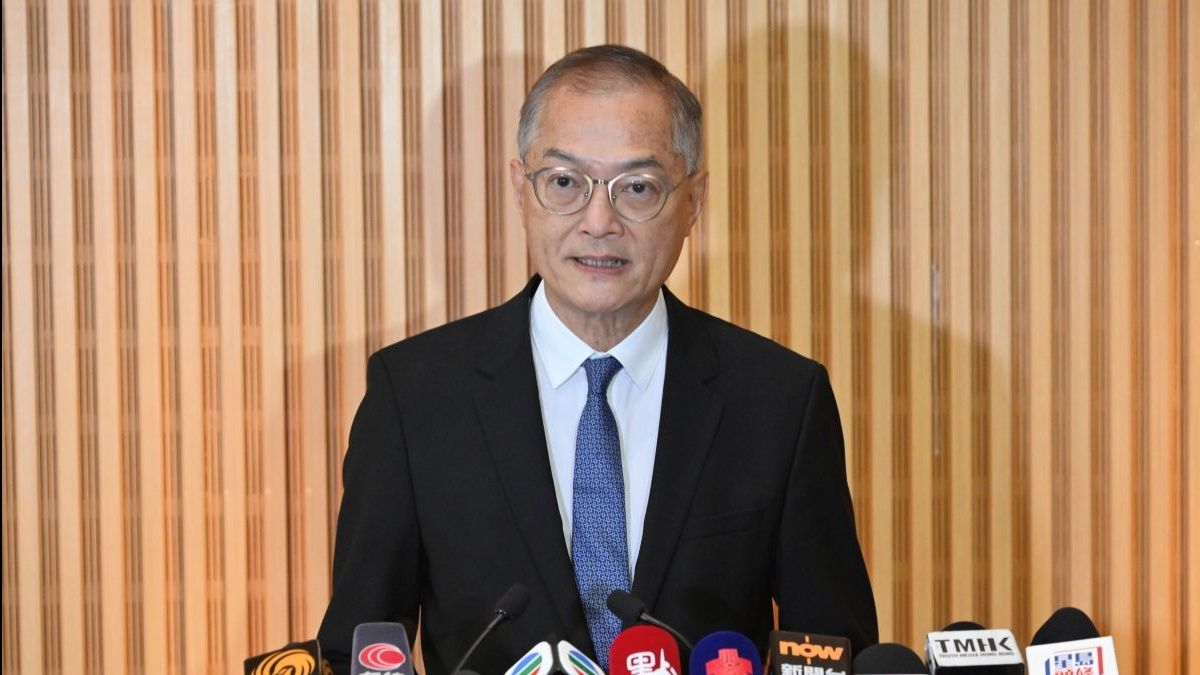
Hong Kong's health authorities are moving to strengthen oversight of the reproductive technology sector following a significant disclosure failure by a local fertility clinic that left patients uncertain about their embryo specimens. Secretary for Health Lo Chung-mau announced on Wednesday that the government will examine whether current reporting mechanisms adequately protect patients and ensure timely accountability when incidents occur in assisted reproduction facilities.
The controversy centres on HEAL Fertility, which discovered serious errors in embryo biopsy sample handling but failed to promptly notify regulators. A laboratory at the Chinese University of Hong Kong operated within Prince of Wales Hospital in Sha Tin uncovered the problem during routine verification procedures. Testing revealed that in the first case, six of seven embryo samples did not match the genetic profiles of the intended parents; the second case involved two samples that bore no relation to the parents involved. These findings raised immediate concerns about patient safety and the clinic's quality assurance protocols.
The timeline of the clinic's conduct has become the focal point of regulatory scrutiny. HEAL Fertility became aware of both incidents on May 26 and June 4 respectively, yet officials investigating the matter found no evidence that the Department of Health received notification. The clinic did not report the incidents to the Council on Human Reproductive Technology until June 17, creating a gap of nearly three weeks in some instances. This delay meant that patients remained unaware their specimens may have been incorrectly identified, a situation Lo characterised as "not very ideal" during Wednesday's statement.
Regulatory standards already in place require fertility clinics to report serious untoward events within 24 hours under the Code of Practice for Day Medical Centres. The Department of Health's Office for Regulation of Private Healthcare Facilities determined that the embryo sample misidentification clearly meets the definition of such an incident, making HEAL Fertility's failure to comply a direct regulatory violation. The office subsequently issued a notice requiring the clinic to submit a detailed investigation report within four weeks explaining the root causes and outlining corrective measures.
Lo indicated that the authorities are withholding final decisions on procedural improvements pending multiple ongoing investigations. The Council on Human Reproductive Technology, which specifically oversees in vitro fertilisation practices across the territory, has conducted several rounds of inquiry following the clinic's belated June 17 notification. In parallel, the Department of Health escalated the case to police on Monday, though authorities have not yet made arrests. Lo's approach suggests the government intends to gather comprehensive evidence before implementing new requirements, though the incident has already exposed gaps in the current system.
The broader implications for Hong Kong's regulatory landscape are significant. As a regional financial centre with a substantial medical tourism industry, Hong Kong's reputation for rigorous healthcare standards is commercially valuable. The fertility treatment sector attracts considerable international investment and patient referrals from across Asia-Pacific, making regulatory transparency essential. The reporting lag in this case suggests that voluntary compliance mechanisms alone may be insufficient to protect patients and maintain confidence in local facilities. Stricter mandatory timelines and potentially enhanced penalties for non-compliance could become policy responses.
HEAL Fertility released an apology to affected clients on Tuesday evening, stating that it had established an internal taskforce to review operational procedures and implement improvements across the organisation. The clinic offered genetic testing to patients wishing to verify the identity of their specimens, acknowledging the profound uncertainty and concern such mix-ups create for individuals pursuing assisted reproduction. However, the clinic's reactive posture—apologising only after the matter became public through regulatory channels—underscores why some observers argue that external oversight must be strengthened.
The regulatory response has been swift and severe. The Department of Health suspended fourteen of HEAL Fertility's seventeen service offerings, permitting only three storage-related functions to continue. This substantial curtailment of operations signals official disapproval and prevents the clinic from accepting new patients while investigations proceed. The suspension also serves as a warning to other private fertility facilities that regulatory failures carry immediate commercial consequences, potentially incentivising greater vigilance across the sector.
For patients and prospective clients across Southeast Asia considering fertility treatments in Hong Kong, the incident carries cautionary implications. While Hong Kong maintains higher regulatory standards than many regional competitors, this case demonstrates that gaps can exist between policy requirements and actual clinic practices. Patients should now enquire explicitly about incident reporting procedures, accreditation status, and quality assurance protocols before committing to treatment. The scandal may also prompt private fertility clinics throughout the region to review their own reporting mechanisms proactively, seeking to avoid similar reputational damage.
The incident also highlights broader tensions within Asia's expanding assisted reproduction market. As demand for fertility services grows across the region, many clinics operate in environments with less rigorous oversight than Hong Kong provides. The contrast between Hong Kong's regulatory response and more permissive jurisdictions may drive some patients toward the territory, but only if authorities successfully implement the promised improvements. Lo's commitment to review reporting mechanisms suggests official recognition that current safeguards require enhancement to maintain Hong Kong's standing as a trustworthy destination for reproductive medicine.

