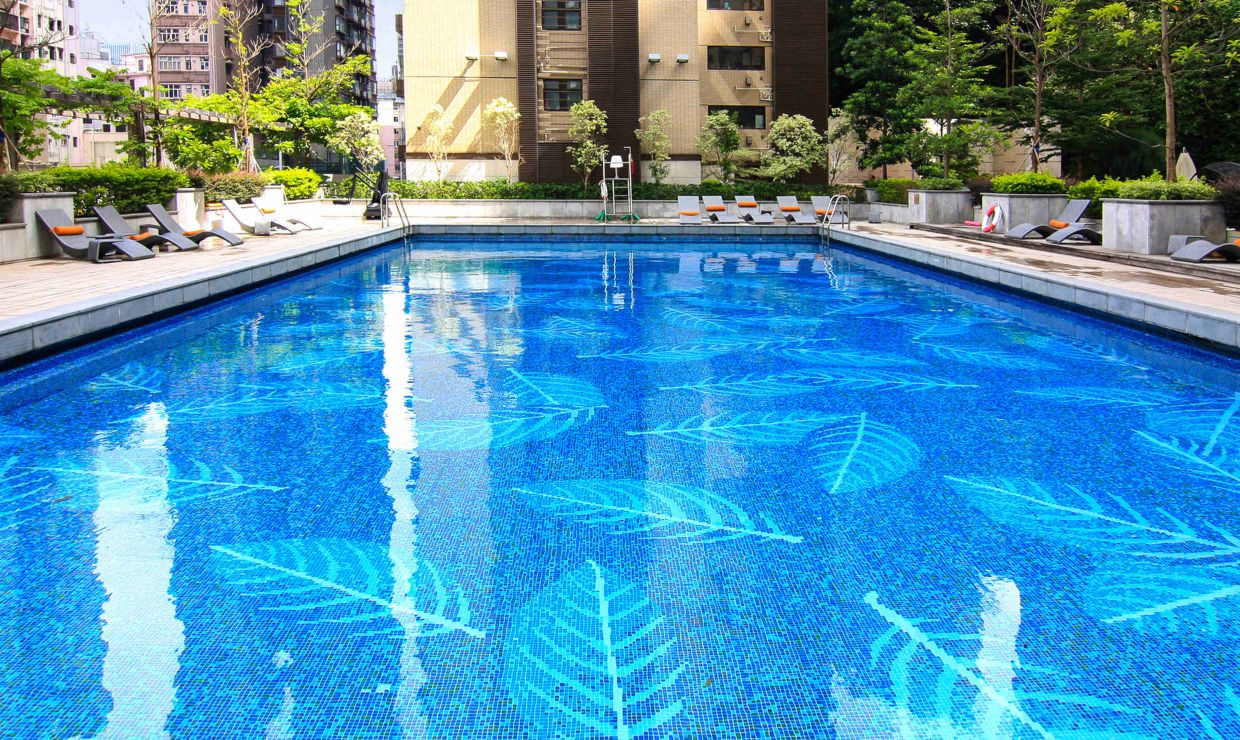
Authorities in Hong Kong have moved swiftly to shut down a swimming facility in the upscale Happy Valley district after uncovering evidence that an employed lifeguard was operating under false credentials. The closure, ordered immediately by the Food and Environmental Hygiene Department (FEHD), underscores mounting concerns about safety compliance at privately operated aquatic facilities across the territory. The facility in question, a licensed pool serving residents of a private housing estate at 1-5 Ventris Road—which authorities confirmed is the Winfield Building—lost its operating permission once investigators determined the lifeguard's qualifications could not be verified against official records held by the Hong Kong China Life Saving Society.
The discovery came to light when FEHD officers initiated a verification process by submitting batches of lifeguard documentation to the Hong Kong China Life Saving Society on Wednesday. Upon receiving results the following day confirming the suspected fraud, the department took immediate enforcement action. A government spokesperson explained that the discrepancy between the lifeguard's claimed credentials and those recorded by the official certifying body meant the facility no longer maintained the legally mandated complement of qualified lifeguard personnel required to operate a public swimming pool. This gap in qualified staffing made continued operation untenable from a regulatory perspective.
The incident has triggered a multi-agency response that extends well beyond simple facility closure. The FEHD signaled its intention to prosecute the pool's licensee for violations of the Swimming Pools Regulation and relevant licensing conditions. Separately, the department referred the suspected use of forged credentials to the police for potential criminal investigation, recognizing that document fraud represents a distinct legal matter warranting law enforcement involvement. Additionally, the Property Management Services Authority has been notified for follow-up measures, indicating that the investigation may touch on broader management and compliance failures within the residential complex.
While the government statements have not clarified the lifeguard's current status—whether the individual has been arrested, suspended, or simply removed from duty—the case reflects broader vulnerabilities in Hong Kong's pool safety ecosystem that have come into sharper focus in recent years. The incidents also highlight the challenge of maintaining consistent oversight across the territory's expanding private pool sector, where profit incentives may sometimes conflict with rigorous safety standards.
Hong Kong's regulatory framework for private pools underwent significant strengthening beginning in May of last year, introducing enhanced procedural requirements aimed at preventing precisely this sort of breach. Under these updated standards, pool licensees must now conduct thorough verification of lifeguard identity documents at the point of hire and maintain certified copies of both the lifeguard's Pool Lifeguard Award credentials and personal logbooks. Furthermore, duty rosters must be meticulously maintained, with entries signed off by both the lifeguards themselves and designated inspection staff appointed by the facility's licensee to ensure accountability and create an auditable chain of custody for compliance documentation.
The scale of enforcement activity undertaken by the FEHD this year underscores the department's commitment to closing loopholes in the system. Between January and July alone, inspectors conducted approximately 7,000 separate inspections across more than 1,400 licensed private swimming pools throughout Hong Kong. During this same period, authorities verified the qualifications of around 2,100 individual lifeguards. This intensive verification campaign has proven effective at identifying compliance gaps; the current incident marks at least the second case in the past year where authorities have uncovered evidence of unqualified lifeguards being deployed at licensed facilities—a problem that had likely gone undetected prior to the enhanced regulatory push.
For readers across Southeast Asia, the Happy Valley case carries implications for understanding how Hong Kong's regulatory apparatus responds to breaches in public safety infrastructure. The incident demonstrates that even in a jurisdiction with sophisticated governance frameworks and well-resourced regulatory agencies, determined enforcement remains essential to maintain standards. The FEHD's approach—combining targeted document verification, surprise inspections, and criminal referrals—reflects best practices that other regional governments continue to study.
Looking ahead, the department has committed to intensifying its already robust inspection schedule during the approaching peak swimming season. This commitment to elevated vigilance signals official determination to prevent the recurrence of similar credential fraud cases. The sustained focus also reflects recognition that swimming pool safety, particularly the availability of qualified lifeguards, constitutes a non-negotiable element of public health protection that justifies substantial regulatory investment and cannot be compromised by cost-cutting or administrative negligence.
The broader lesson from the Happy Valley closure extends beyond Hong Kong's borders. As private residential facilities and commercial swimming venues proliferate throughout the Asia-Pacific region, the challenges of maintaining consistent safety standards across dispersed operations multiply. The willingness of Hong Kong authorities to impose immediate operational consequences for credential breaches—combined with their investment in systematic verification and surprise inspection protocols—offers a model for regulators elsewhere grappling with similar governance challenges in the leisure and hospitality sectors.

