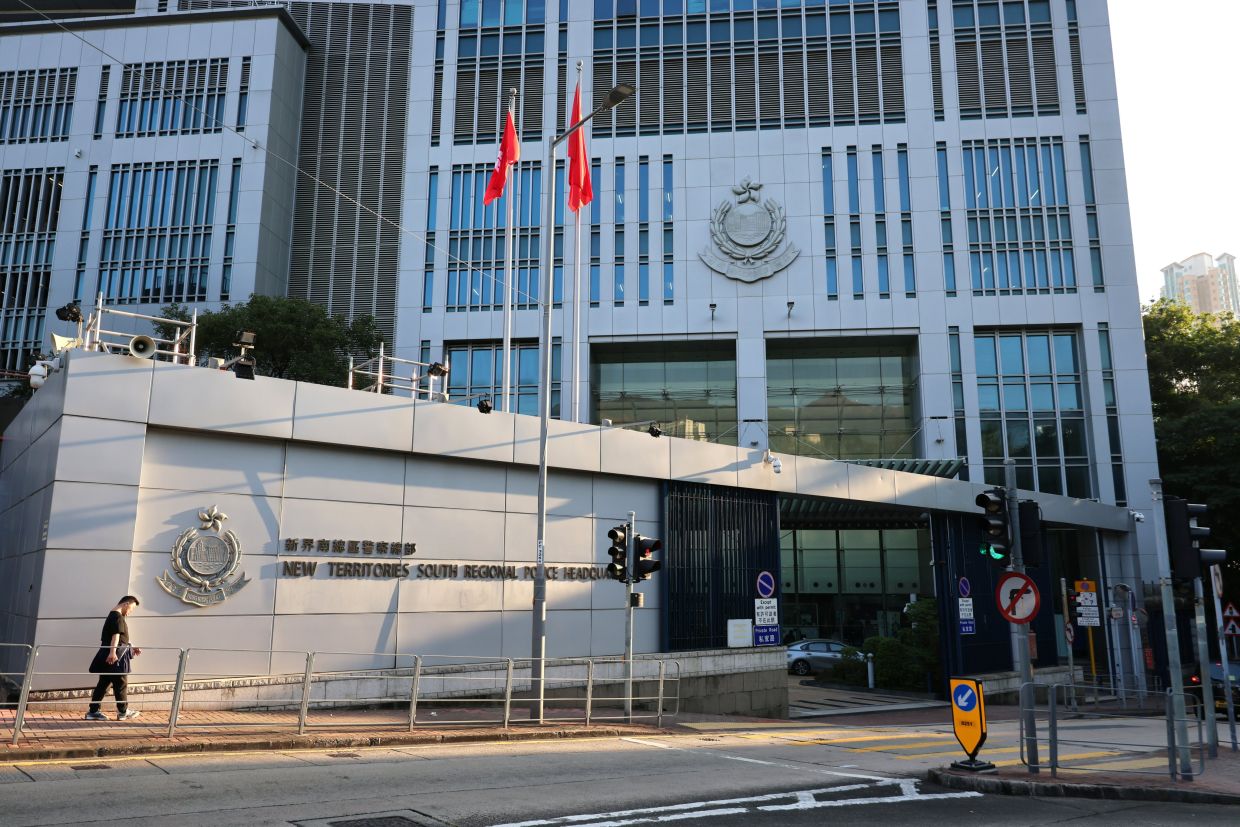
A 32-year-old police officer in Hong Kong has been formally charged with misconduct in public office following allegations that he sent indecent messages to a woman connected to a criminal investigation. The New Territories South regional crime unit detained the officer in Tuen Mun on August 20, according to a police spokesperson who confirmed the development on Thursday. The case represents another instance of disciplinary action against law enforcement personnel and highlights persistent concerns about professional conduct within the Hong Kong Police Force.
The officer, who serves with the Kwai Tsing police district, allegedly engaged in the inappropriate communications with a friend of one of the suspects during an investigation that originated in May the previous year. According to the police account, the officer contacted the woman and sent her indecent text messages along with explicit images. The interaction raised immediate red flags regarding the abuse of official position and the misuse of information accessed during the course of official duties.
The woman targeted by the officer's advances reported the incident to police authorities later that same month. Her complaint triggered an internal inquiry that eventually led to the charges being filed against the officer. The timeline suggests that while the inappropriate contact occurred during an active investigation, the victim did not immediately report the behaviour, possibly reflecting hesitation or uncertainty about how to respond to unwanted advances from a police officer.
Following a thorough investigation, authorities determined sufficient grounds existed to prosecute the officer under the misconduct in public office statute. This particular charge addresses the breach of trust inherent in law enforcement positions and the violation of a public official's duty to act with propriety. The misconduct charge carries significant weight within Hong Kong's legal framework, particularly when applied to police officers who wield considerable authority over the public.
The accused officer has been suspended from active duty pending the outcome of his court proceedings. This suspension reflects standard practice when allegations of serious misconduct are substantiated and ensures that the officer does not remain in a position where further inappropriate behaviour might occur. Suspension also separates the officer from access to police systems and information that could potentially be misused.
The officer is scheduled to appear before Sha Tin Court on Friday to face the formal charges. The court appearance will mark the beginning of legal proceedings that will determine whether the allegations can be proven beyond reasonable doubt. The specific circumstances of the case, including how the officer accessed the woman's contact details and whether he used police systems to communicate, will likely feature prominently in the legal arguments.
A police force spokesperson reaffirmed that the Hong Kong Police Force maintains strict standards regarding officer conduct and zero tolerance for violations of these standards. The statement emphasised that the force takes such matters with utmost seriousness and views breaches of professional conduct as threats to the integrity and reputation of the entire organisation. This public reaffirmation of standards serves to reassure the public that misconduct by individual officers will not go unaddressed.
The incident underscores broader concerns about accountability mechanisms within large police forces operating in densely populated urban environments. In Hong Kong, where law enforcement maintains extensive powers and access to personal information about citizens, safeguards against the misuse of authority become particularly important. Cases involving officers who exploit their positions to target vulnerable individuals or engage in harassment raise questions about internal oversight and the effectiveness of disciplinary procedures.
From a regional perspective, this case resonates across Southeast Asia and East Asia, where similar incidents have periodically attracted public scrutiny. Police misconduct cases in neighbouring jurisdictions have prompted civil society organisations to advocate for stronger internal accountability mechanisms and clearer procedures for investigating complaints against officers. The Hong Kong case demonstrates that even advanced policing systems continue to grapple with challenges in preventing individual officers from overstepping professional boundaries.
The woman's decision to report the misconduct to police authorities despite the officer's official status represents an important precedent. Her willingness to come forward, despite the power imbalance inherent in reporting a police officer, demonstrates that victims of such behaviour can seek justice through official channels. However, observers note that many such incidents may go unreported, particularly when victims fear potential retaliation or doubt that complaints against police will be taken seriously.
The broader implications of this case extend to discussions about reform within law enforcement. Police organisations throughout the region increasingly recognise the need for robust training programmes addressing professional boundaries, appropriate use of personal information accessed during duty, and the consequences of exploiting official position for personal or improper purposes. The case also highlights the importance of accessible complaint mechanisms that allow members of the public to report misconduct without fear of reprisal.

