Hong Kong police have dismantled a large-scale phishing operation following the arrest of two men suspected of coordinating a fraudulent messaging campaign that cost victims more than HK$500,000. Detained on Thursday, the suspects aged 31 and 44 were taken into custody on suspicion of conspiracy to defraud, with authorities alleging they masterminded an intricate scheme targeting unsuspecting residents through deceptive communications sent across multiple telecommunications lines.
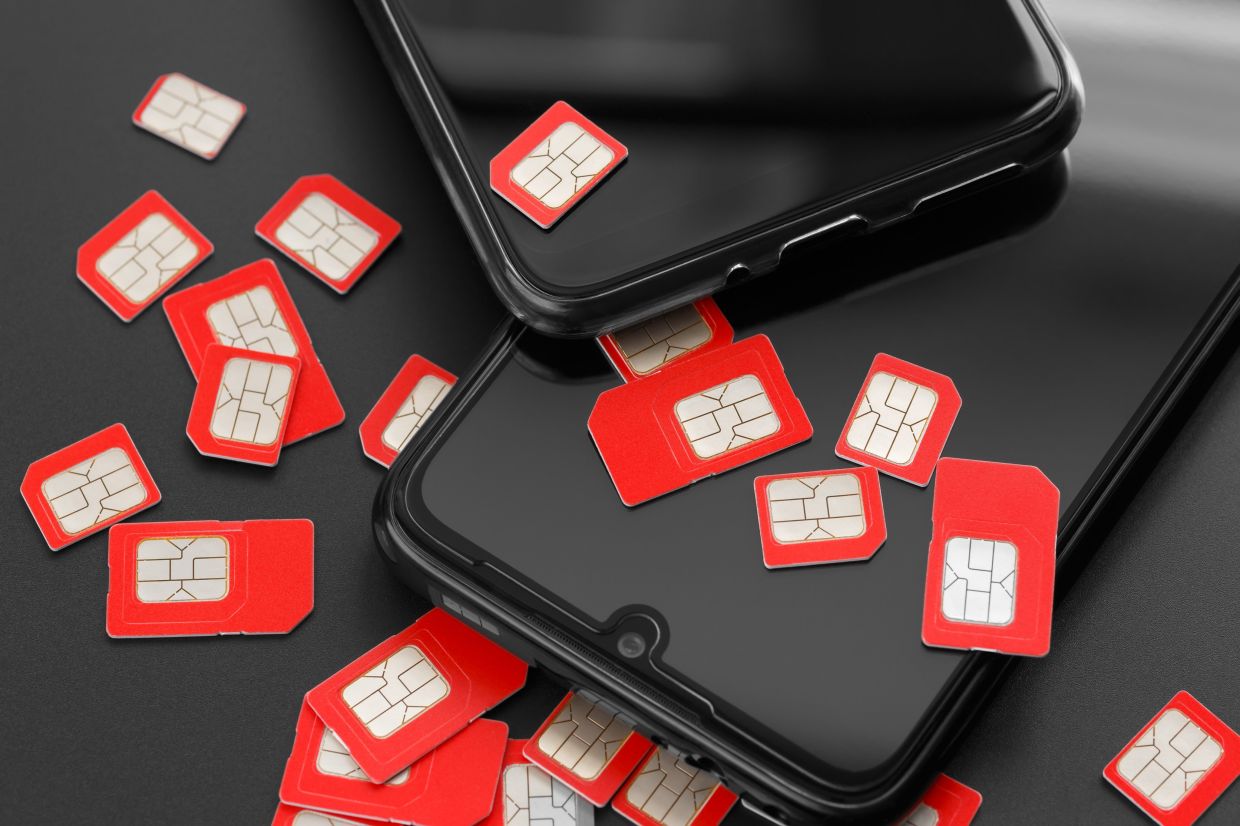
The operational sophistication of the scam reflects a troubling evolution in cybercriminal tactics within Hong Kong. At the heart of the investigation was a hotel room converted into a command centre, where officers uncovered infrastructure designed to manage a vast network of phone numbers simultaneously. Inside the makeshift headquarters, police discovered a modem pool capable of controlling multiple SIM cards at once, alongside nine mobile phones and 110 SIM cards, all procured through real-name registrations under different individuals' identities. This distributed approach allowed the perpetrators to send messages at scale while obfuscating the source of communications.
The fraudulent messaging campaigns employed classic social engineering tactics adapted for Hong Kong's digital commerce environment. Victims received messages purporting to originate from parcel delivery companies, alerting them to packages awaiting collection, a particularly effective lure given the territory's reliance on e-commerce and courier services. In parallel schemes, other messages impersonated customer service representatives from online payment platforms, warning recipients that they had been enrolled in insurance plans and owed fees for cancellation. These deceptions functioned as psychological hooks designed to provoke immediate action from recipients without careful verification.
Once victims engaged with the fraudulent communications, the perpetrators guided them through a carefully orchestrated financial manipulation. The con relied on directing targets to call fake customer service hotlines staffed by members of the criminal network. Through these calls, the fraudsters employed various pretexts to convince victims to transfer funds to designated bank accounts, exploiting the trust established through the initial impersonation and the urgency manufactured through false claims. Investigators discovered that the operation had generated more than 2,000 suspected scam messages, demonstrating the volume of potential victims the conspiracy could reach.
Inspector Kwan Yat-hei of the force's commercial crime bureau's fraud division revealed that investigators had traced interconnections between the intercepted phone numbers and recently reported fraud cases, establishing a direct link between the hotel operation and documented victim losses exceeding HK$500,000. The evidentiary trail suggests this represented one cohesive, prolonged campaign rather than isolated incidents. Police investigations also exposed how the suspects circumvented standard telecommunications safeguards by acquiring SIM cards registered to multiple individuals, effectively distributing the digital footprint of their operation across numerous identities and making attribution more challenging.
The case highlights a critical vulnerability in telecommunications security within Hong Kong's regulatory framework. Despite mandatory real-name registration requirements for all SIM cards implemented since March 2022, fraudsters continue to acquire and deploy bulk quantities of cards by exploiting the fact that multiple legitimate individuals can be registered as primary account holders. The reliance on real-name registration alone, without corresponding verification of legitimate use, creates an avenue for criminals to establish parallel telecommunications networks dedicated to illicit activity. This gap between regulatory intent and operational reality represents a persistent challenge for law enforcement across Southeast Asia.
Authorities emphasised that individuals who knowingly lend or sell SIM cards to third parties bear potential criminal liability if those cards facilitate fraud or other illegal activities. Inspector Kwan's public warning represented a broader public safety communication strategy acknowledging that the telecommunications infrastructure itself—particularly SIM cards—constitutes a shared responsibility between providers, regulators, and individual users. The legal framework under Hong Kong law establishes substantial consequences for participation in such schemes, with conspiracy to defraud carrying maximum penalties of 14 years' imprisonment, signalling the seriousness with which authorities treat organised fraud operations.
The investigation remains ongoing, with authorities confirming that both suspects remain in police custody pending further investigation and that additional arrests are anticipated. The scope and sophistication of the operation suggest the possibility of a broader network extending beyond the two detained individuals, potentially implicating others involved in acquiring SIM cards, managing financial flows, or conducting the actual fraudulent communications. For Malaysian and regional observers, the case demonstrates how phishing and mass messaging fraud operations function across jurisdictional boundaries, employing similar tactics adapted to local commercial environments and consumer behaviours.
The incident carries particular relevance for Malaysia and other Southeast Asian economies where e-commerce growth has outpaced corresponding security infrastructure development. Hong Kong's experience illustrates how fraudsters evolve their methodologies to exploit legitimate business communications channels—delivery notifications and financial service alerts—that consumers expect to receive regularly. Malaysian regulatory authorities and telecommunications providers have watched similar campaigns emerge domestically, suggesting that the techniques uncovered in Hong Kong represent a regional playbook rather than isolated criminal innovation. The sophistication demonstrated through modem pools and distributed SIM card networks indicates that organised crime groups involved in telecommunications fraud possess technical capabilities and resources comparable to legitimate technology operations.

