A Singapore district court has handed down custodial sentences to a Hong Kong mother and her adult son for their roles in a disruptive confrontation at Changi Airport that resulted in injuries to both a member of the public and a law enforcement officer. Chan Sui-kwan, aged 65, received a six-month jail term for voluntarily causing hurt with the intent to obstruct a police officer in carrying out his duties, while her son Chan Wing-kwan, 42, was sentenced to ten days imprisonment for voluntarily causing hurt. The sentencing followed court proceedings that stretched over several months, underscoring the complications that arose from the pair's initial failure to appear for scheduled hearings and their subsequent apprehension.
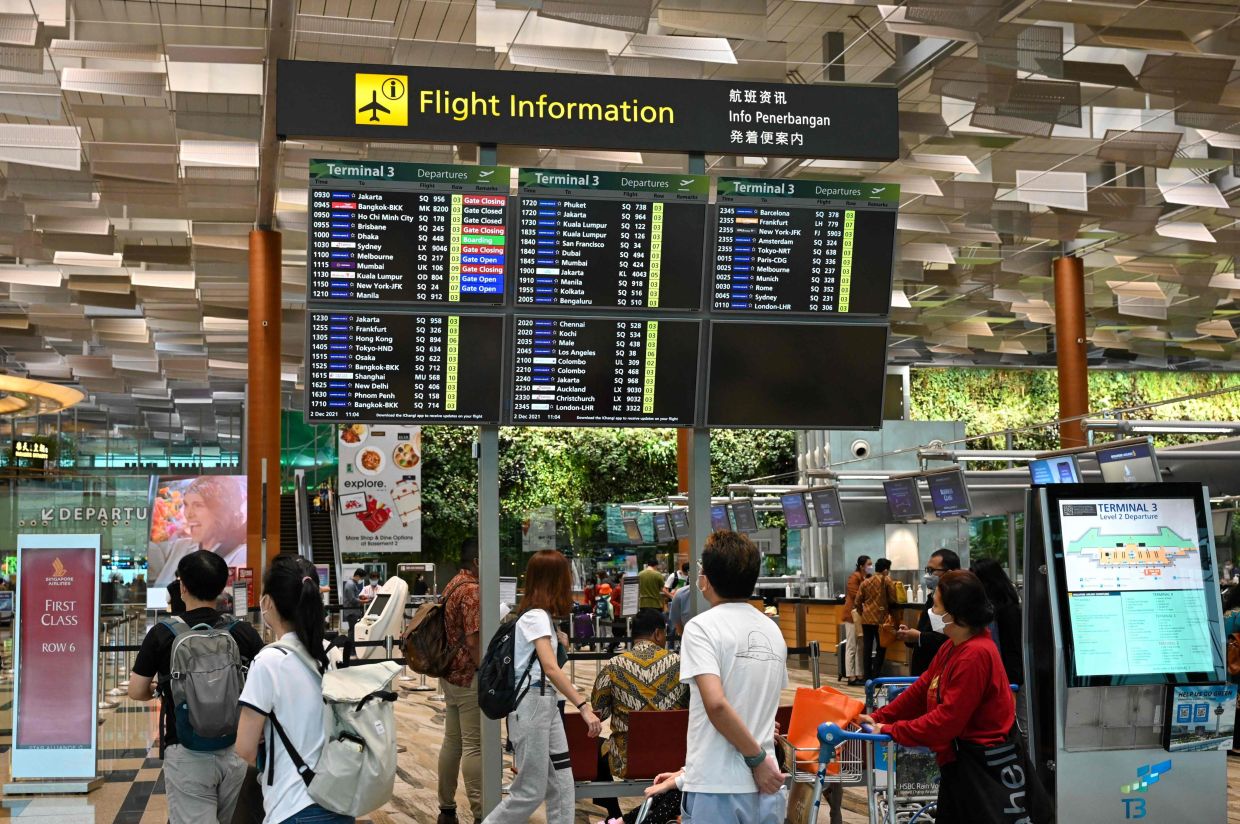
The incident unfolded on the afternoon of June 30, 2024, within the confines of terminal three at Singapore's main international airport. The sequence of events began when Chan Wing-kwan became visibly upset, apparently under the impression that nearby travellers were directing derisive remarks toward him. In response to his agitation, he kicked his own mother, prompting an elderly bystander, aged 69, to intervene with concern for the woman's wellbeing. When the concerned traveller approached to assist, Chan Sui-kwan instructed him to depart, while her son adopted an aggressive posture and openly provoked the man to engage in physical combat.
The confrontation intensified when the pair relocated to another section of the terminal, where Chan Wing-kwan again attacked his mother with a kick. The bystander, witnessing the continued violence, attempted to summon airport police using his mobile device. Rather than allowing authorities to be contacted, Chan Wing-kwan lunged toward the man and subjected him to a sustained assault comprising multiple punches. The victim sustained a haematoma to the head—a pooling of blood resulting from blunt force trauma—along with abrasions to his knee and contusions affecting his fingers, injuries documented by medical examination.
Initial police response to the disturbance saw officers arriving at the scene and documenting the details of both individuals, including copying their passport information before returning the travel documents. However, the situation deteriorated further when the same mother and son were encountered again by police in the departure hall later that afternoon. At this second encounter, Chan Sui-kwan refused to surrender her passport to authorities and engaged in disruptive behaviour that necessitated her arrest. Her resistance to apprehension proved substantial, during which an officer sustained a bite wound to his right forearm through his clothing, leaving visible trauma including a one-centimetre mark and bruising.
The legal proceedings that followed revealed significant delays in the judicial process. Chan Sui-kwan was not brought before a court until November 18, 2024—more than four months after the incident—whilst her son faced charges laid on April 24 of the preceding year. This discrepancy in timing suggests either complications in locating the pair or administrative delays in processing their cases through Singapore's court system. The complications were compounded when both individuals failed to appear for a scheduled court date on July 22, resulting in the issuance of arrest warrants for their immediate apprehension.
Their absence from that July hearing triggered a chain of legal consequences that accelerated their eventual conviction and sentencing. Upon their apprehension pursuant to the arrest warrants, both parties proceeded through the judicial process, with convictions being recorded on July 29, followed by sentencing handed down on the following Monday. The staggered appearance dates and the extended timeline between the June incident and final sentencing illustrate the complexities inherent in prosecuting cases involving non-resident offenders within Singapore's jurisdiction.
For Malaysian observers, this case carries implications regarding conduct at regional travel hubs and the stringency with which Singapore enforces public order offences. Changi Airport serves as a crucial transit point for Malaysian travellers and a vital regional gateway, making the stability and safety standards maintained there a matter of broader regional concern. The relatively severe penalty imposed on the mother—six months imprisonment—reflects Singapore's intolerance of obstruction of law enforcement, particularly when coupled with physical violence. The lighter sentence for the son, despite his more direct role in initiating the violence, may reflect his lesser culpability regarding interference with police authority, though the cumulative nature of his assaults still warranted custodial punishment.
The case also underscores the vulnerability of ordinary citizens who intervene in confrontations between family members, a consideration relevant across Southeast Asia where bystander assistance in domestic or public disputes remains relatively common. The 69-year-old traveller's decision to assist the elderly woman resulted in his victimisation, raising questions about the extent to which individuals should involve themselves in such situations. From a law enforcement perspective, Singapore's prosecution demonstrates the city-state's commitment to prosecuting assaults within high-profile venues such as international airports, where disruptions carry heightened consequences for operational efficiency and traveller security.
The extended timeframe between the incident and final sentencing also highlights potential challenges in apprehending and prosecuting foreign nationals who may lack stable residence registration within Singapore. The pair's initial evasion of the July court date suggests they may have attempted to return to Hong Kong or otherwise avoid judicial proceedings, with their eventual apprehension requiring execution of the arrest warrants. Such complications are relatively common in cases involving transient populations and cross-border movements within the region, presenting ongoing challenges for judicial systems attempting to maintain accountability for criminal conduct.

