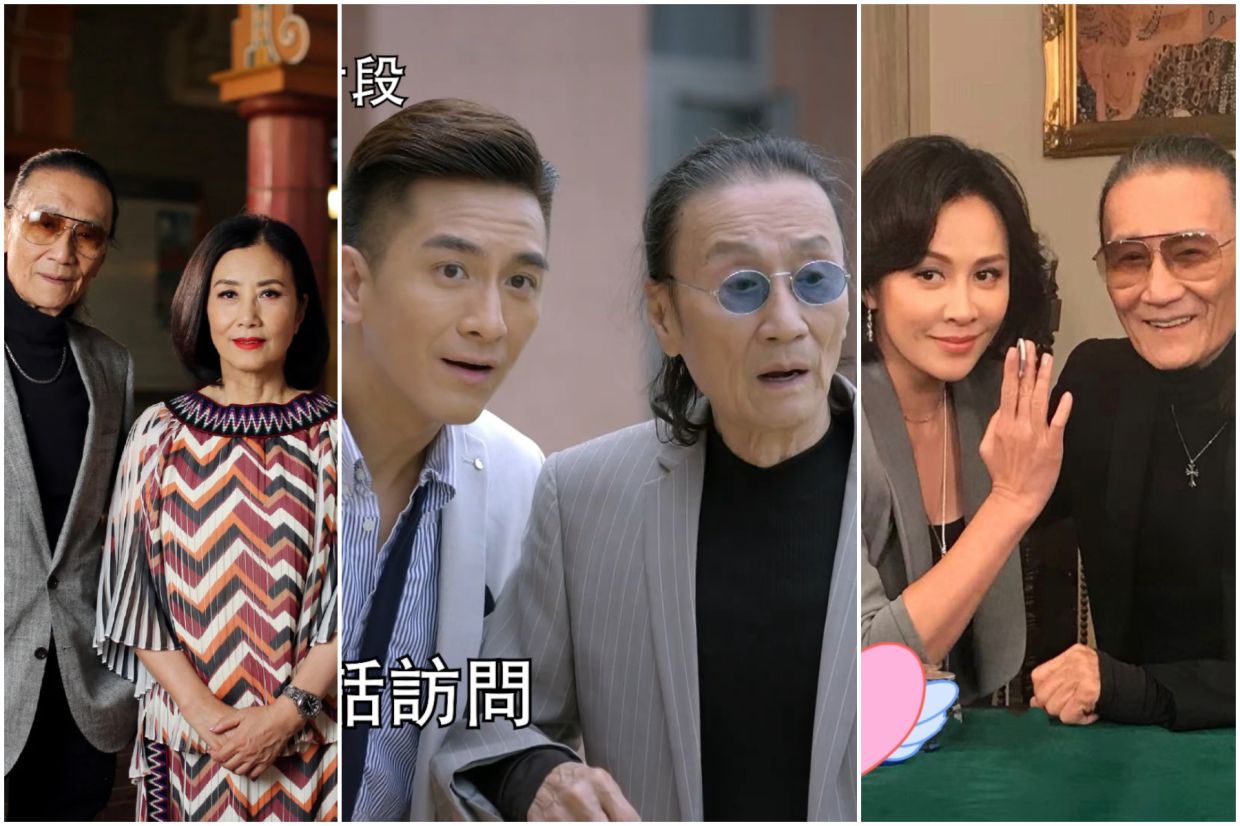
The death of Patrick Tse has prompted an outpouring of reflection from across Hong Kong's entertainment establishment, with leading performers recounting their professional encounters and personal bonds with the venerated figure who shaped multiple generations of screen artists. Tse, affectionately referred to throughout the industry as Sei Gor (Fourth Brother), succumbed to pneumonia on July 16 at the age of 89, with his family disclosing the loss publicly four days later on July 20.
Carina Lau, among the first major names to publicly acknowledge his passing, posted on Instagram paired photographs documenting her connection to the late actor alongside a portrait of her husband Tony Leung Chiu Wai alongside Tse. Her statement emphasised the distinctive qualities that distinguished Tse's career trajectory and personal conduct—his wit, refined demeanour, and consistent professionalism—while positioning him as an irreplaceable contributor to Hong Kong's cinematic achievements. Her tribute underscored not merely professional respect but genuine affection for someone whose artistic contributions extended well beyond individual performances to encompass an approach to cinema that inspired subsequent talent.
Veteran performer Liza Wang, whose career trajectory aligned substantially with Tse's through collaborative work on multiple television dramas produced by TVB, offered particularly intimate perspective on the deceased's interpersonal qualities. Beyond their professional partnership, Wang held the distinction of serving as godmother to Tse's daughter Jennifer, a family role that deepened her understanding of his character beyond the cameras and studio environments. She portrayed him as someone who consistently demonstrated protective instincts and pedagogical inclination toward colleagues, deliberately imparting accumulated wisdom during production schedules rather than guarding trade secrets competitively. Wang's recollection emphasised the contentment these collaborations generated, suggesting that Tse's presence on set created working conditions distinguished by mentorship rather than hierarchical distance. She highlighted his distinctive physical presence—his radiant expression and gentlemanly bearing—as qualities that would endure in the memory of those who worked alongside him.
Michelle Ye, reflecting on their partnership in a 2005 television drama, articulated a distinctly personal dimension to her relationship with the late actor. She characterised Tse's role in her professional life as having compensated for paternal affection she experienced as insufficient during her developmental years, indicating that his workplace conduct transcended performance or professional obligation to address deeper emotional needs. This dimension of his influence demonstrates how performers of exceptional skill and generous temperament can shape the psychological experiences of younger colleagues, creating professional environments where human connection takes precedence over competition.
Actor Kenneth Ma, who appeared alongside Tse in director Wong Jing's 2017 television production, provided observation concerning the late performer's physical commitment to his craft. Despite advancing age placing reasonable constraints on bodily exertion, Tse demonstrated unwillingness to delegate his action sequences to younger stand-ins, insisting instead on executing these technically demanding moments himself. Ma interpreted this approach as exemplifying professional dedication worthy of emulation by performers of his generation, suggesting that Tse's conduct communicated values regarding commitment and personal integrity that transcended narrative content. Ma also recalled the atmosphere of enjoyment that characterised their time working together, indicating that Tse's approach to professional obligation included playfulness and humour rather than grim determination.
Director Wong Jing, whose career trajectory became substantially influenced by Tse's mentorship, positioned the late actor within Hong Kong cinema history as singularly preeminent in terms of masculine on-screen presence and appeal. Wong and Tse first encountered one another in 1977, when Wong was still establishing himself as a screenwriter for TVB at merely 22 years old. During their early professional relationship, Tse regularly drove Wong in his Mercedes-Benz sports car to informal settings where they discussed cinema and narrative strategy. During one such conversation, Tse offered a philosophical observation regarding artistic longevity that Wong retained as crystalline wisdom: the assertion that sustaining stardom across a lifetime represents the true achievement for performers who initially achieve recognition.
This observation, which Wong preserved across decades as foundational to his understanding of artistic commitment, encapsulates the manner in which Tse influenced Hong Kong's creative community. Rather than transmitting practical technical information through formal instruction, Tse communicated through example and occasional reflective comment his understanding that genuine artistic maturity involved consistency, discipline, and refusal to squander the opportunities that initial success provided. His casual remark to a younger collaborator ultimately expressed a comprehensive philosophy regarding professional responsibility and creative integrity that shaped Wong's subsequent directorial approach.
The cumulative portrait emerging from these recollections presents Tse not as a distant monument to cinema history but as an accessible human figure whose professional prominence remained perpetually connected to mentoring relationships and emotional authenticity. His influence appeared not concentrated in technical mastery alone but distributed across the psychological and emotional contexts within which Hong Kong performers developed their abilities and understood their professional obligations. For Malaysian and broader Southeast Asian audiences, Tse's career and influence represent a model of entertainment leadership where achievement and commercial success never displaced fundamental human decency, a consideration particularly relevant as regional entertainment industries continue expanding and establishing professional norms.
The responses from his peers indicate that Tse's ultimate legacy will not reside solely in his filmography or technical accomplishments but in the manner he conducted himself as a senior member of his professional community. His willingness to mentor, protect, and inspire younger performers without exploiting positional advantage created conditions within which talent could flourish while maintaining ethical grounding. The Hong Kong entertainment establishment's collective mourning ultimately reflects appreciation not only for an exceptional performer but for someone who understood that authentic artistic excellence encompassed how one treated colleagues and contributed to the broader institutional health of the industry itself.

