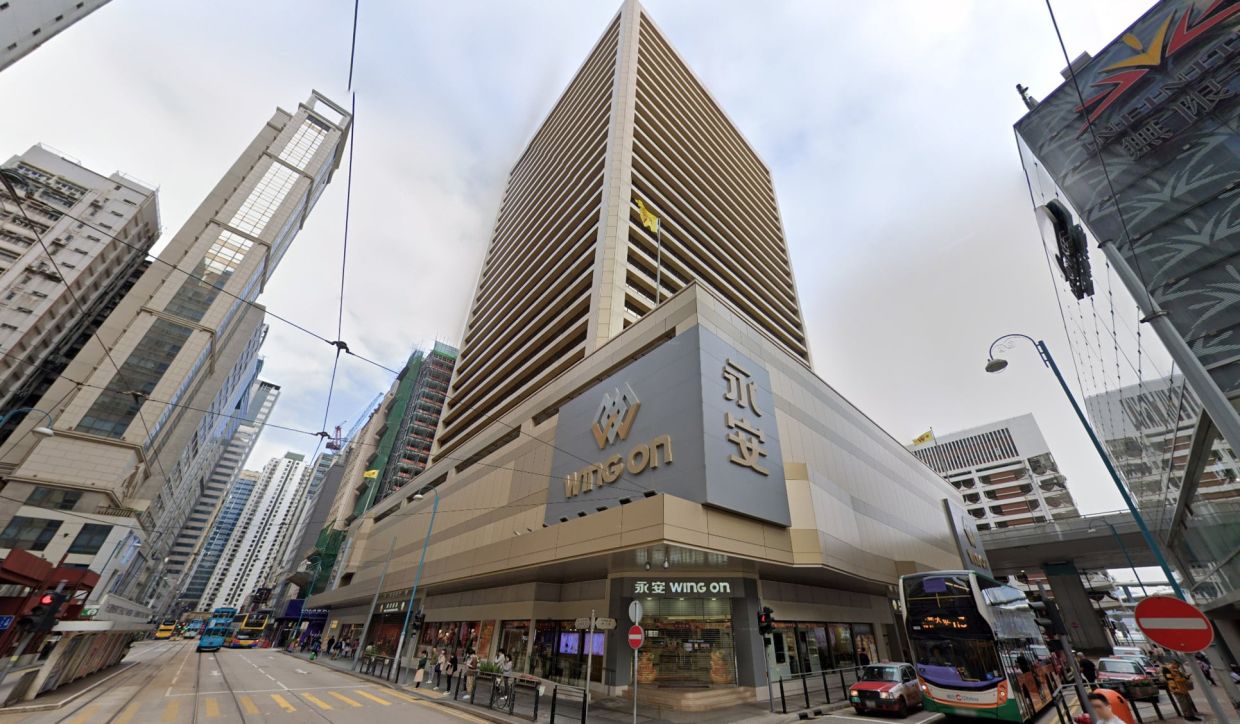
Hong Kong's customs authority has opened an investigation into allegations that an 88-year-old woman was subjected to coercive sales practices resulting in HK$100,000 in beauty product purchases at an Avinichi outlet within the Wing On department store in Sheung Wan. The complaint, which surfaced this week through a social media post, describes a concerning encounter that unfolded across three hours in April and has drawn fresh attention to problematic trading practices affecting vulnerable consumers in the city's booming beauty and wellness industry.
The account comes from the woman's daughter, surnamed Ng, who detailed an alarming sequence of events during her elderly mother's visit to the department store. According to the daughter's version, after completing an initial transaction, the sales representative declined to return her mother's credit card and instead retained it within a folder while continuing to push additional merchandise. Over the course of the three-hour period, the card was swiped four separate times, generating charges totalling HK$100,000 for skincare items, a beauty device, and a package of twenty-four detoxifying treatment sessions.
The concerning aspect of the account extends beyond the financial outlay itself. Ng described her mother as becoming increasingly exhausted and disoriented as the sales interaction progressed, claiming her mother felt "as if she had been hypnotised" by the encounter. When a caregiver accompanying the elderly woman attempted to suggest departure and intervene in the transaction process, the selling pitch apparently persisted without meaningful pause or acknowledgement. Following the experience, the family sought to reverse the purchases through a refund request, but Avinichi initially refused, offering only an exchange arrangement instead of returning the funds.
In response to inquiries from the South China Morning Post, the Customs and Excise Department confirmed it is "actively investigating the case" and signalled its readiness to pursue "appropriate enforcement" measures if violations of the Trade Descriptions Ordinance are substantiated. The department reiterated its commitment to protecting consumer interests and maintaining zero tolerance toward traders engaging in unfair commercial practices. This formal acknowledgement underscores the seriousness with which authorities are treating the complaint and reflects mounting pressure on regulators to address systemic issues within the sector.
The Avinichi brand is operated by Apex Retail, a company managing multiple beauty retail chains across Hong Kong and Singapore with approximately a dozen locations throughout the territory. Beyond Avinichi, the corporate group operates several other beauty brands including Earth, Napara, Privilege Boutique, Dualsonic and Lionesse. The company's expansion accelerated recently with the launch of two additional Avinichi "experience boutiques" in 2025, a timing that creates particular sensitivity given the intensifying regulatory focus on operations within its portfolio. However, Avinichi's ownership structure remains somewhat diffused, with the trademark itself registered to United States-based Exclusive Label, and retail locations designated as independently owned and operated entities.
This incident represents the latest manifestation of a broader pattern troubling Hong Kong's beauty products marketplace. The territory has experienced a notable uptick in complaints regarding aggressive and potentially coercive sales tactics from beauty retailers over recent months. The crackdown gained particular momentum following the arrest of two operational managers from the Hong Kong branch of the Opatra London beauty chain, where similar concerns about high-pressure sales methodology emerged. The Mineral Boutique, another brand under Beauty Express Group, has similarly drawn scrutiny for pursuing what observers characterise as overly assertive consumer engagement strategies.
Legal professionals have previously cautioned that such practices present clear violations of Hong Kong's Trade Descriptions Ordinance, which explicitly prohibits harassment, coercion and deceptive conduct deployed to compel consumers into purchases they would otherwise decline. The range of problematic behaviours documented includes unauthorised credit card usage, unwanted physical contact, and sustained pressure to acquire high-value products. These violations carry regulatory consequences and potential enforcement actions that can include substantial penalties and corrective measures imposed on offending businesses.
The vulnerability of elderly consumers appears particularly pronounced in these situations, reflecting broader concerns about protecting older residents in increasingly complex consumer environments. The case involving the 88-year-old woman demonstrates how sophisticated sales techniques, combined with extended engagement periods and psychological persuasion tactics, can overwhelm individuals lacking familiarity with modern retail manipulation strategies. The role of environmental factors—such as the luxury department store setting and professional presentation of products—may compound the difficulty elderly consumers face in recognising and resisting inappropriate pressure.
For Malaysian readers, this development carries relevance beyond Hong Kong's borders, as similar beauty retail chains and sales practices operate throughout Southeast Asia, including within Malaysia's shopping centres. The regulatory responses emerging from Hong Kong may presage approaches to consumer protection that Malaysian authorities might ultimately adopt. Beauty product retailers employing aggressive sales methodologies represent a regional phenomenon rather than a Hong Kong-specific problem, suggesting that vigilance regarding consumer protection standards deserves attention across the broader region.
When approached directly, Avinichi's staff at the Wing On location claimed unfamiliarity with the allegations, though a manager subsequently declined to speak with reporters on the record, instead pledging to arrange a company spokesperson for future contact. This response pattern mirrors defensive posturing sometimes adopted by businesses facing initial public scrutiny and did not yield substantive comment addressing the specific accusations prior to publication. The refusal to engage transparently during the initial contact raises questions about internal communication and awareness within the operational hierarchy.
The emerging regulatory environment in Hong Kong reflects genuine commitment to curtailing deceptive practices within high-value consumer transactions, particularly those targeting vulnerable populations. The Customs and Excise Department's firm positioning and the involvement of the Consumer Council in this matter signal that authorities possess both motivation and mechanisms to impose meaningful accountability. For consumers across the region contemplating high-value beauty product purchases, the Hong Kong developments underscore the importance of exercising caution, maintaining complete control of payment instruments, and seeking independent counsel before committing to substantial expenditures in beauty retail settings.

