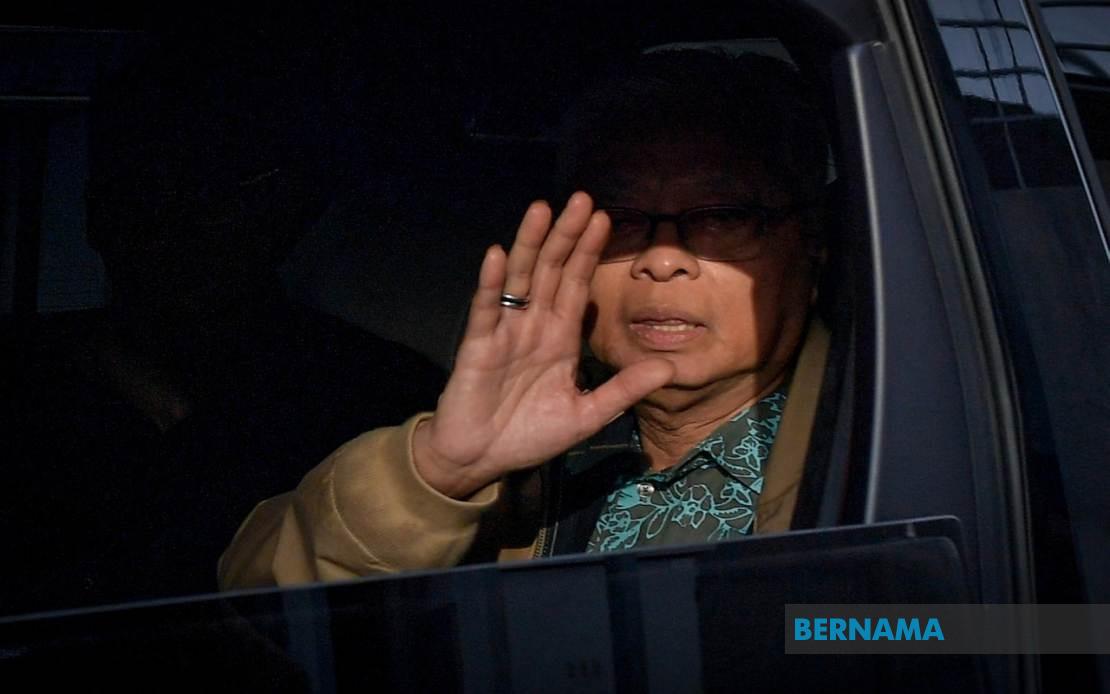
The High Court in Kuala Lumpur has affirmed the acquittal of content creator Jufazli Shi Ahmad, dismissing the prosecution's appeal against his earlier discharge by the Sessions Court. Judge Datuk Aslam Zainuddin delivered the judgment on October 18, 2024, concluding that the original acquittal should remain in force. The decision represents a significant outcome in a case that has lingered in Malaysia's judicial system for over two years, touching on the intersection of free speech, digital content, and political expression.
Jufazli faced two distinct charges stemming from activities in mid-2022. The first charge involved creating and transmitting an offensive video through his YouTube channel 'King Maker Politik' on June 27, 2022, at 3 pm, with content allegedly intended to annoy former Prime Minister Datuk Seri Ismail Sabri Yaakob and the UMNO party. The second charge related to his refusal to surrender the password to his YouTube account when requested by police at Dang Wangi District Police Headquarters on July 5, 2022. Both charges carried substantial potential penalties, with the communications offence punishable by up to RM50,000 in fines or one year's imprisonment, and the password refusal charge carrying penalties reaching RM100,000 or two years' imprisonment.
The prosecution, represented by Deputy Public Prosecutor Mohamad Fadhly Mohd Zamry, had sought to overturn the Sessions Court's initial acquittal by appealing the judgment. However, Judge Aslam's analysis of the appeal records, the Sessions Court judge's reasoning, and arguments from both legal teams led to the rejection of this appeal. The High Court's affirmation of the acquittal suggests that the prosecution failed to establish sufficient grounds for conviction or that the Sessions Court judge's findings were legally sound and well-supported by evidence presented during the trial.
Jufazli's legal representation, provided by lawyer Ramesh N.P. Chandran, successfully defended the blogger's position through both the Sessions Court proceedings and the High Court appeal phase. The case reflects broader questions about the application of Malaysia's Communications and Multimedia Act 1998, particularly Section 233, which criminalises offensive communications transmitted through internet platforms. The invocation of such provisions in cases involving political commentary raises important considerations about where regulatory authorities draw lines between legitimate political discourse and content that genuinely meets the legal threshold for prosecution.
The timeline of events is notable for understanding how this matter proceeded through the justice system. The video in question was created and uploaded on June 27, 2022, but was not accessed by police investigators until July 1, 2022, when the link was retrieved at the Criminal Investigation Division office. The subsequent demand for password access on July 5 added a second layer of charges related to non-compliance with police instructions. The fact that nearly four years elapsed before final judgment underscores the extended nature of digital speech cases within Malaysia's criminal justice framework.
From a broader Malaysian context, this judgment carries implications for content creators and political commentators operating on YouTube and other social media platforms. The acquittal suggests that courts may apply scrutiny to whether content genuinely constitutes an offensive communication as defined by law, rather than treating all critical or satirical political content as automatically prosecutable. The case also highlights the interaction between platform-based expression and state authority, particularly regarding demands for account credentials and password disclosure.
The decision reflects evolving judicial interpretation of how traditional criminal statutes apply to digital speech. When the Communications and Multimedia Act was enacted in 1998, the internet environment was vastly different from today's social media ecosystem. The acquittal may indicate that judges are considering whether content posted through YouTube, regardless of its critical nature toward political figures or parties, necessarily meets the legal standard for an 'offensive communication' as legislators originally contemplated. This represents a potential recognition that political satire, commentary, and critique occupy a distinct category from communications intended purely to harass or cause harm.
The High Court's dismissal of the prosecution's appeal without apparent modification or conditional language suggests a firm judicial position on the matter rather than a technical or procedural victory. Judge Aslam's language in upholding the Sessions Court's decision indicates comprehensive agreement with the lower court's reasoning, which would have assessed both the evidence presented and the legal framework governing the charges. This consistency across two court levels provides stronger precedential guidance for similar cases that may arise in the future.
For Southeast Asian observers, the judgment demonstrates how different jurisdictions handle the tension between maintaining public order and protecting freedom of expression in the digital age. Malaysia's courts have shown willingness to prosecute digital speech in various contexts, making this acquittal a notable instance where judicial interpretation favoured the speaker. The case also illustrates the practical dimensions of enforcement, such as demands for account credentials, which raise questions about privacy, digital rights, and the extent of police powers in investigating internet-based offences.
The implications extend to civil society and media freedom discussions across the region. Bloggers, content creators, and digital journalists operating in Malaysia will likely view this judgment as providing some protection for political commentary, though the case also demonstrates that such activities remain subject to criminal legal exposure. The acquittal does not constitute blanket protection for all online political speech but rather indicates that courts will examine whether specific content meets the statutory definitions of offences before accepting prosecution arguments.
Moving forward, this judgment may influence prosecutorial decisions regarding similar cases, potentially making authorities more cautious about bringing charges under Section 233 of the Communications and Multimedia Act without very clear evidence that the communication crosses the threshold from political critique into genuinely offensive territory. The extended legal process and ultimate acquittal suggest that the cost and uncertainty associated with such prosecutions may outweigh their utility as enforcement tools.
The case ultimately reflects Malaysia's ongoing engagement with questions of digital governance and free expression. While the acquittal provides relief for Jufazli Shi Ahmad after several years of legal proceedings, it also confirms that content creators remain subject to regulatory frameworks that can trigger criminal investigation and prosecution. The High Court's decision affirms that these frameworks must be applied consistently with established legal principles rather than as instruments for suppressing political viewpoints, a distinction that remains central to protecting both public order and fundamental freedoms in Malaysia's digital public sphere.

