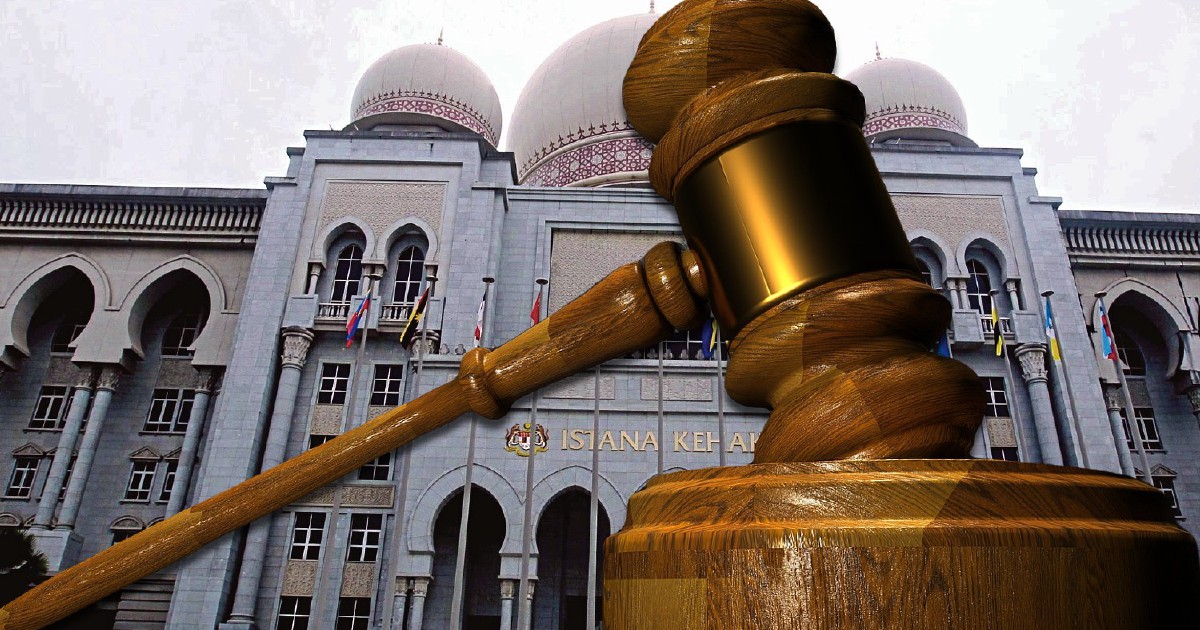
Malaysia's High Court is scheduled to deliver a significant procedural ruling on September 21 concerning a civil lawsuit that has drawn considerable public and legal scrutiny. The case, initiated by Muhammed Yusoff Rawther, Anwar Ibrahim's former research aide, involves allegations of sexual assault and raises complex preliminary legal questions that could substantially shape the trajectory of the litigation.
The preliminary issues at the centre of the court's consideration are expected to determine whether certain legal and procedural matters should be resolved before the substantive trial commences. Such preliminary determinations often involve questions of jurisdiction, the adequacy of pleadings, or whether the claims are legally sustainable in their current form. The outcome of this September 21 hearing will prove critical in establishing the timeline and scope of the full trial proceedings.
Anwar Ibrahim, who serves as Malaysia's Prime Minister, has been at the centre of intense legal and political scrutiny for decades. His history with legal challenges—including previous criminal convictions and acquittals—has made any new litigation involving him a matter of significant national interest. The pending civil case represents one of the more unusual legal developments in recent Malaysian political history, given his current high office and the nature of the allegations involved.
Muhammed Yusoff Rawther filed this civil suit to pursue compensation and remedies for alleged wrongs, bypassing criminal proceedings to seek redress through the civil court system. This approach allows claimants to present their case on the balance of probabilities rather than beyond reasonable doubt, a lower evidentiary standard that can facilitate outcomes in cases where criminal prosecution may face higher obstacles. The decision to pursue a civil action reflects a strategic choice common in harassment or assault cases where complainants seek damages rather than solely criminal accountability.
The distinction between preliminary and substantive proceedings is fundamental to civil litigation. Preliminary issues often address whether a case should proceed at all, whether it has been properly formulated, or whether the court has authority to hear it. If Anwar's defence team successfully argues that certain preliminary matters should be resolved first, it could delay the trial substantially while these foundational questions are litigated. Conversely, if the court rejects these preliminary objections, the case moves swiftly toward full trial proceedings.
For Malaysian legal observers and practitioners, this case exemplifies the complexities that arise when high-profile political figures become defendants in civil proceedings. The intersection of national politics and civil litigation creates unique pressures on the judicial system to ensure both procedural fairness and public confidence in the outcome. The court must navigate these sensitivities while upholding the rule of law and the fundamental right of citizens to seek redress for alleged harms.
The timing of this ruling carries implications beyond the courtroom. As Anwar continues his tenure as Prime Minister, ongoing litigation casts a spotlight on his administration and may influence political dynamics within Malaysia's government and opposition. Historical precedent suggests that unresolved legal matters involving sitting leaders can affect governmental stability and public perception, particularly in jurisdictions where such cases receive sustained media attention.
From a regional perspective, Malaysia's handling of high-profile civil litigation involving political leaders will be observed by neighbouring countries and international observers monitoring judicial independence and the rule of law in Southeast Asia. The case serves as a test of whether Malaysian courts can adjudicate fairly and impartially despite the elevated status of the defendant, a question that bears on broader assessments of institutional integrity throughout the region.
The September 21 hearing will likely attract significant legal expertise and public interest. Both Anwar's legal team and Muhammed Yusoff Rawther's representatives will present arguments designed to shape how the court approaches the preliminary issues. The judge's ruling will establish important precedent regarding procedure and may offer insights into how the full trial might unfold, depending on the substantive holdings in each preliminary determination.
Legal analysts note that preliminary rulings of this nature often preview judicial thinking on central disputes. If the judge's preliminary decisions reveal scepticism toward certain arguments or receptiveness to particular defences, trial strategists on both sides will adjust their approaches accordingly. The September 21 decision thus serves as both a procedural milestone and an intelligence-gathering opportunity for the parties involved.
The case also underscores broader questions about accountability and access to justice in Malaysia. Regardless of the defendant's political status, civil courts must remain accessible to individuals who believe they have suffered harm, and the judicial system must process such claims fairly and transparently. The coming ruling will demonstrate how Malaysia's courts manage this responsibility when the defendant holds the nation's highest elected office.
Observers expect the September 21 ruling to clarify the timeline for further proceedings and potentially resolve certain legal obstacles that could have extended the case indefinitely. Depending on the court's determinations, the case could move toward trial within months or face additional preliminary challenges that would delay resolution. Either way, the ruling represents a pivotal moment in civil litigation involving Malaysia's incumbent Prime Minister.

