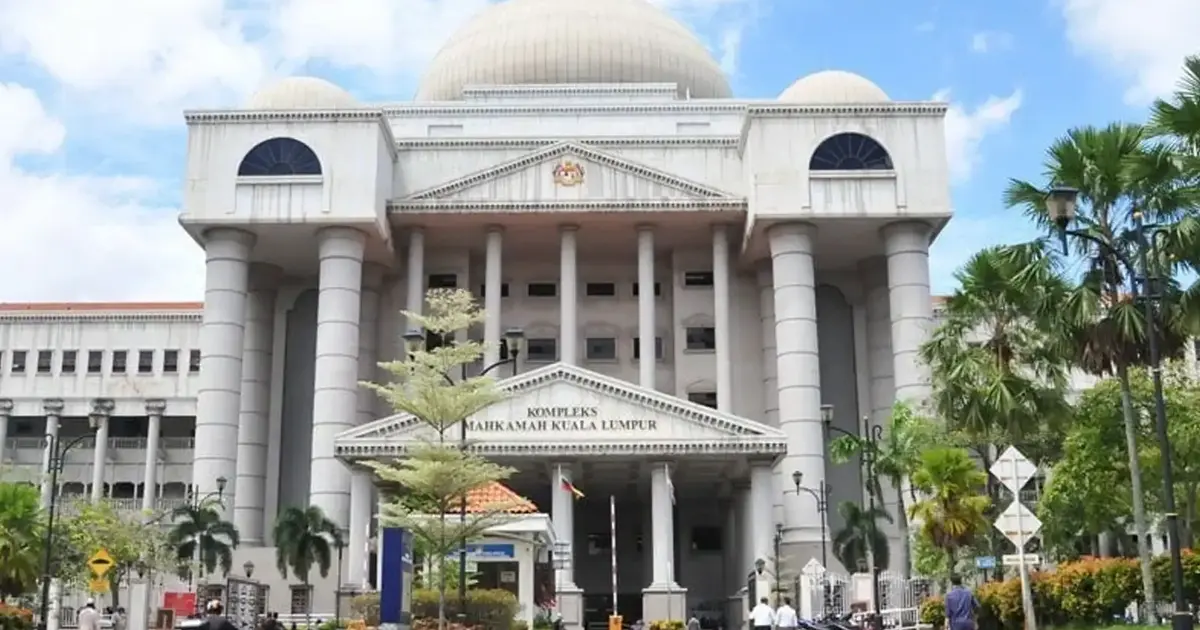
The Malaysian High Court has delivered a significant clarification on trademark procedure, holding that a modest delay in serving legal documents need not prove fatal to an intellectual property application. In a judgment with implications for countless businesses and trademark practitioners across the region, a judge ruled that strict compliance with timing requirements for counterstatements in trademark disputes is not always mandatory, allowing applications to proceed even when procedures are not followed with absolute precision.
The distinction drawn in the ruling between mandatory and directory requirements represents a critical refinement in how Malaysia's courts interpret intellectual property regulations. Directory requirements are those whose observance is important but not so fundamental that their breach necessarily invalidates the entire proceeding, whereas mandatory requirements are those whose violation cannot be overlooked. By classifying the "same time" provision for serving counterstatements as directory rather than mandatory, the court signalled that practitioners and trademark applicants should not face automatic rejection based solely on procedural timing lapses of minor duration.
This judgment arrives at a moment when Malaysia's intellectual property framework continues evolving to balance strict procedural adherence with substantive fairness. The trademark system, overseen by the Intellectual Property Corporation of Malaysia (MyIPO), processes thousands of applications annually, and clarity on procedural flexibility helps both applicants and examiners navigate the system more efficiently. The High Court's interpretation provides welcome guidance that minor administrative timing issues should not derail what might otherwise be legitimate trademark claims.
The practical significance of this ruling extends throughout Malaysia's business community, where companies of all sizes rely on trademark protection for their brands and products. Small and medium enterprises, in particular, may benefit from the court's recognition that strict literal compliance with every procedural deadline may be relaxed when no prejudice results. The decision acknowledges that rigid application of procedural rules can sometimes work unjust outcomes, a principle increasingly recognised in common law jurisdictions as courts mature in their approach to technical requirements.
Understanding the distinction between directory and mandatory provisions requires some familiarity with trademark procedure. When a party files a counterstatement in response to a trademark application—essentially presenting arguments against registration—regulations specify when and how that counterstatement must be served on the applicant. The court's decision confirms that modest deviations from the specified timing do not automatically invalidate the entire process, provided that the substance of the response is timely presented and no party suffers genuine prejudice from the delay.
The implications for Malaysia's legal profession are substantial, as lawyers who advise clients on trademark matters must now counsel on the flexibility that courts will allow. Previously, practitioners might have assumed that any failure to meet a stated deadline would trigger automatic rejection, leading them to advise excessive caution. This judgment permits a more nuanced approach, though practitioners remain well-advised to observe deadlines as closely as possible to avoid disputes and potential motions to strike out documents.
The ruling also reflects broader jurisprudential trends in Southeast Asia, where courts are increasingly willing to distinguish between procedural formalism and substantive justice. Singapore, Thailand, and other regional jurisdictions have similarly adopted approaches that distinguish between trivial procedural breaches and fundamental failures to comply with legal requirements. Malaysia's alignment with this trend demonstrates the maturation of its legal system and its commitment to ensuring that technical procedural failures do not undermine legitimate intellectual property rights.
MyIPO and trademark examiners now have clearer guidance on how to exercise discretion when procedural timing is slightly off. Rather than treating every missed deadline as fatal, the office can assess whether the breach caused any actual prejudice and whether the substance of the application or response meets legal requirements. This flexibility should reduce unnecessary rejections based purely on administrative timing issues, allowing the examination process to focus more directly on whether a mark qualifies for registration under substantive trademark law.
The decision carries particular relevance for businesses operating across Malaysia and ASEAN, where intellectual property portfolios often span multiple jurisdictions with varying procedural requirements. Companies that understand how Malaysian courts interpret procedural flexibility gain a strategic advantage in managing their trademark registrations. They can prioritise resources on substantive trademark issues while maintaining appropriate diligence regarding procedural compliance without assuming that every minor delay will prove catastrophic.
Looking forward, this judgment will likely influence how trademark disputes are litigated in Malaysia for years to come. Applicants facing rejections based on procedural timing grounds may now challenge those rejections more confidently, arguing that minor delays should not bar substantively valid trademark claims. Equally, the court has signalled that it expects practitioners to make genuine efforts to comply with stated procedures, even if strict literal compliance is not always required.
The High Court's decision underscores an important principle in modern administrative law: that procedure exists to serve justice, not to frustrate it. By distinguishing between directory and mandatory requirements, Malaysian courts demonstrate commitment to ensuring that access to trademark protection does not hinge on perfection in administrative formalities. For Malaysia's business community and intellectual property practitioners, this ruling provides both reassurance and a reminder that procedural compliance remains important, even if minor timing variations will not invariably prove fatal to otherwise valid applications.

