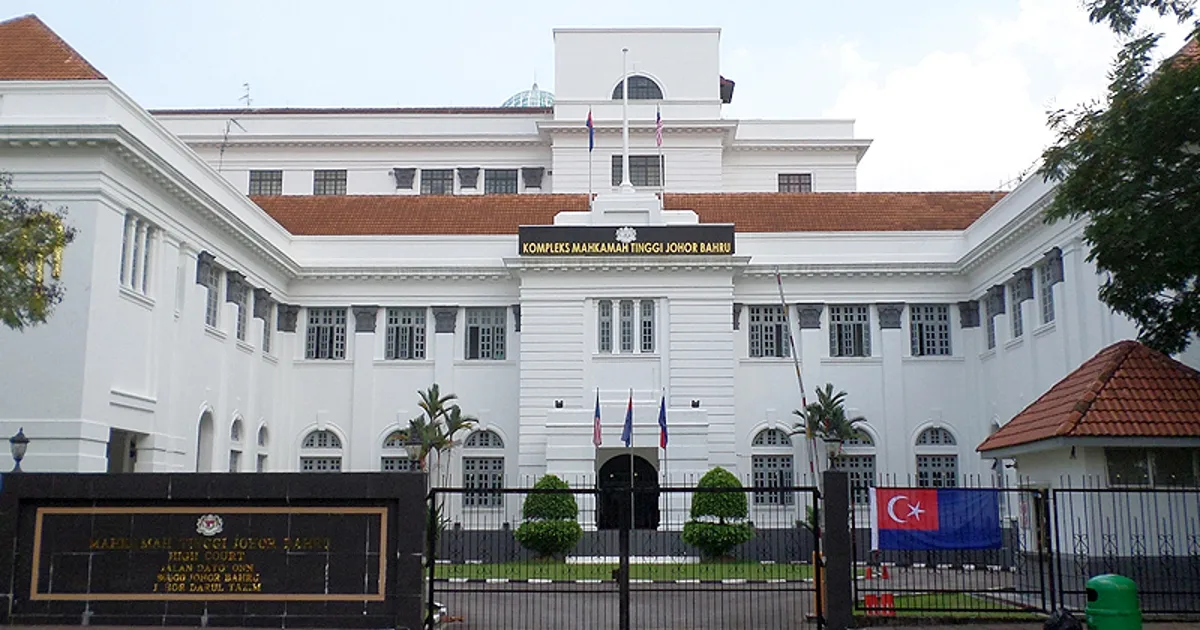
An instructor employed at a government training institute has been cleared of sexual assault allegations following a High Court judgment that harshly criticised the quality and thoroughness of the police investigation into the matter. The court's dismissal of the charges represents not merely a legal victory for the accused but raises serious questions about investigative competency within Malaysia's law enforcement apparatus, particularly when handling sensitive allegations of this nature.
The High Court's reasoning focused explicitly on the deficiencies evident in how police conducted their inquiry. According to the judgment, the investigation fell "markedly short" of the professional standards expected from law enforcement agencies tasked with gathering evidence in criminal matters. This phrasing—deliberately measured yet emphatic—suggests the court found systematic problems rather than isolated oversights in how the case was assembled and presented.
Such judicial criticism carries particular weight in Malaysia's legal system, as High Court judges typically reserve their sharpest language for cases involving serious institutional failures. When a court indicates that an investigation has fundamentally failed to meet acceptable standards, it serves as both a censure of the investigating agency and a warning about the dangers of prosecuting cases built on inadequate groundwork. The implications extend beyond the individual accused to the broader integrity of the criminal justice process.
Sexual assault allegations demand especially rigorous investigative protocols. These cases often rest heavily on witness testimony, forensic evidence, and careful documentation of the complainant's account. When investigations fall short, the consequences ripple outward—not only may innocent persons face wrongful prosecution, but victims of genuine misconduct may lose confidence in reporting to authorities who fail to handle such matters competently. The High Court's judgment indirectly highlights this concern.
The case underscores a recurring challenge within Malaysia's police force: ensuring that investigations across different categories of crime maintain consistent professionalism and adherence to procedural safeguards. While many investigators perform their duties diligently, instances of inadequate investigations—whether through insufficient training, resource constraints, or simple negligence—continue to surface in court proceedings. High Court judgments that explicitly catalogue these failings serve a constructive purpose by documenting problems and creating pressure for institutional reform.
For government training institutes and similar public sector organisations, this case carries administrative implications. Sexual misconduct allegations affect workplace culture and institutional reputation. When investigations prove deficient, it may prompt organisations to review their own internal complaint mechanisms and how effectively they work with law enforcement. The incident also highlights the vulnerability of accused employees when facing allegations supported by inadequate investigative work—a situation that demands safeguards protecting both potential victims and those facing unfounded charges.
The dismissal may influence how police approach future sexual assault investigations. When courts consistently rule that investigations have fallen below acceptable standards, the cumulative effect can motivate training improvements and procedural reforms within investigating units. Malaysian law enforcement agencies have increasingly recognised the need for specialist training in handling sensitive crimes, and High Court judgments such as this one provide concrete evidence supporting investment in such programmes.
From a broader perspective, this case reflects the delicate balance required in Malaysia's justice system between protecting individuals from baseless accusations and ensuring genuine misconduct receives appropriate investigation and prosecution. Neither extreme serves justice—pursuing cases on shaky investigative foundations harms the innocent, while failing to investigate complaints thoroughly undermines confidence in the system's ability to protect vulnerable persons. The court's judgment, by rejecting the weak case, necessarily reinforces the importance of thorough, professional police work before charges are filed.
The High Court's explicit criticism also matters because it creates a public record of investigative failure that transcends the particular case. Such judgments inform discussions within civil society, academia, and policymaking circles about law enforcement standards. They provide concrete examples cited in arguments for police reform, better training budgets, and accountability mechanisms. When courts document institutional problems in their written judgments, they contribute to a body of evidence supporting systemic change.
For the accused instructor, acquittal brings vindication but cannot entirely restore the reputational damage incurred during investigation and prosecution. This unfortunate reality adds further urgency to ensuring investigations begin with rigorous standards rather than allowing cases to proceed toward courtroom judgment where weaknesses become undeniable. Prevention through better initial investigation remains preferable to correction through later dismissal.
Moving forward, the judgment serves as a reminder that Malaysia's justice system depends fundamentally on the quality of police investigations. Prosecutors cannot build compelling cases on weak foundations, and courts will increasingly scrutinise the investigative process itself, not merely the evidence presented at trial. For police agencies committed to professional excellence, such criticism—though uncomfortable—provides valuable guidance for institutional improvement and demonstrates that courts will hold them accountable when standards slip.

