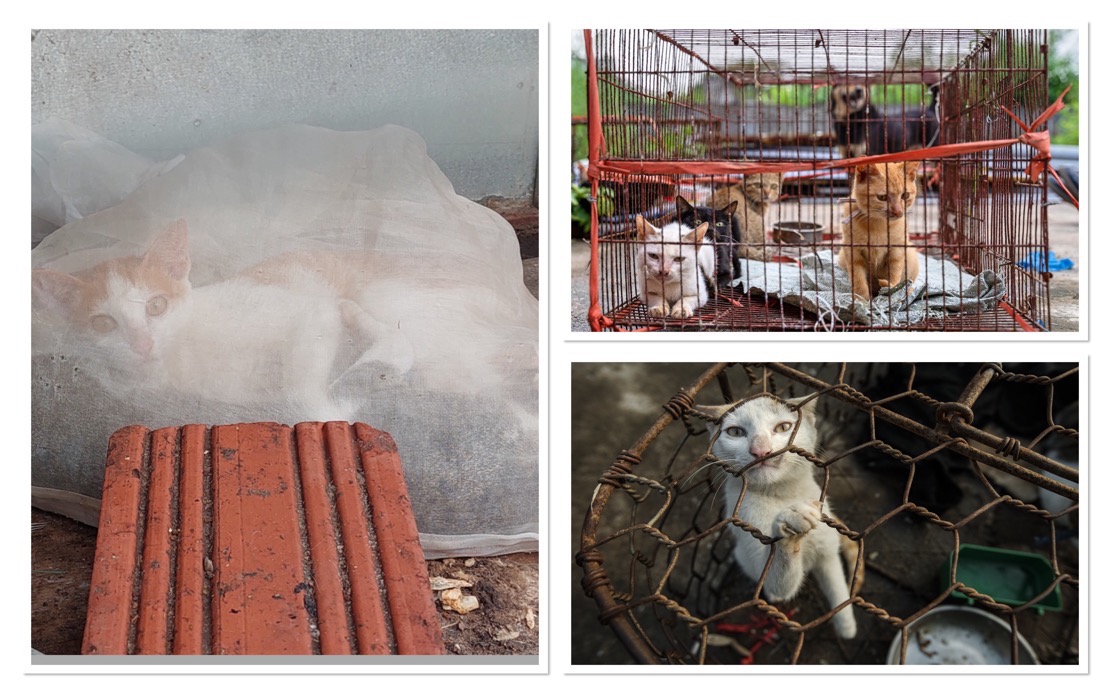
A brutal trade in cat meat continues to flourish across parts of Southeast Asia, with animal welfare organisations estimating that approximately one million felines are killed each year in Vietnam alone. This clandestine market, which also extends into Cambodia and Laos, operates largely in remote areas and persists despite decades of campaigning by governments and international activists seeking to eradicate the practice entirely.
The demand for cat meat is primarily driven by cultural superstitions and beliefs rather than dietary necessity. Traditional beliefs linking feline consumption to good fortune and prosperity, alongside claims of medicinal benefits, have created a persistent market for the trade. According to Jon Rosen Bennett, who oversees dog and cat welfare issues at international animal welfare organisation FOUR PAWS, consumption patterns are firmly rooted in superstition and custom rather than nutritional need. In Vietnam specifically, certain lunar calendar dates are believed to bring good luck when cat meat is consumed, whilst some consumers hold the conviction that feline flesh possesses healing properties or medicinal value.
The scale of this operation became evident when Ho Chi Minh City police exposed a trafficking network last week, detaining nine gang members suspected of stealing and selling cats across provinces over a three-year period. The operation resulted in the rescue of approximately 500 cats, highlighting the systematic nature of the enterprise. These animals are sourced through theft from homes and streets, then trafficked across regional borders and slaughtered to meet demand. FOUR PAWS investigations conducted in Vietnam during 2020 documented live cats being traded at between US$6 and US$8 per kilogramme, with processed cat meat commanding premium prices of US$10 to US$12 per kilogramme. Black cats attract particularly high prices due to the belief that they possess special luck-bringing or medicinal properties.
Despite the underground nature of this trade, legal frameworks remain inadequate. Vietnam currently lacks any nationwide prohibition against the slaughter, sale, or consumption of cat meat, a regulatory gap that Bennett emphasises perpetuates the problem. This legislative vacuum contrasts sharply with public sentiment, which overwhelmingly opposes the practice. According to Bennett, nearly 90 percent of Vietnamese respondents indicated support for banning the dog and cat meat trade entirely, whilst more than 90 percent rejected the notion that consuming cat meat constitutes part of Vietnamese cultural identity. This striking disconnect between public opinion and legal reality suggests that governmental action faces political rather than grassroots resistance.
The implications extend well beyond animal welfare concerns. The mass, undocumented movement of live animals across borders poses serious public health risks to the region. The trade facilitates potential transmission of rabies and other zoonotic diseases, creating pathways for infectious diseases to spread between countries and potentially reaching human populations. Such cross-border animal trafficking occurs entirely outside veterinary surveillance systems, meaning diseased animals cannot be identified or contained before they reach markets or homes.
Cats are not alone in facing this fate. Dogs have also become victims in parts of Indochina, with animal welfare organisations estimating that more than 10 million dogs are slaughtered for meat annually across Southeast Asia. However, sentiment regarding dog meat varies significantly across the region, and opposition to the practice is growing substantially in many communities. The dog meat trade remains deeply contentious in certain societies where it touches on cultural sensitivities.
Recognising the urgency of intervention, FOUR PAWS launched an online public reporting platform in early June as part of its broader awareness campaign targeting the dog and cat meat trade in Cambodia. Such platforms empower citizens to report suspected trafficking or slaughtering activities, creating mechanisms for concerned individuals to facilitate law enforcement intervention. This approach reflects a strategic shift toward community-based enforcement where legal systems prove inadequate.
The resilience of this underground market despite sustained opposition campaigns underscores the complexity of addressing deeply embedded practices. For Malaysian readers and policymakers across Southeast Asia, the situation offers valuable lessons. The trade demonstrates how superstitious beliefs can override modern understanding of animal welfare and public health, particularly when legal frameworks fail to establish clear prohibitions. As the region experiences economic development and rising standards of living, the persistence of such practices highlights the necessity of comprehensive legal reform coupled with public education initiatives.
Moreover, the emergence of trafficking networks across multiple countries indicates that bilateral and multilateral cooperation will be essential to disrupting supply chains. Vietnam's lack of a nationwide ban means that enforcement remains fragmented and inconsistent, allowing organised trafficking operations to exploit regulatory gaps. For Malaysia and other Southeast Asian nations, this case study emphasises the importance of establishing clear legal prohibitions before underground industries become entrenched, supported by education campaigns that align legal frameworks with demonstrated public values and international animal welfare standards.

