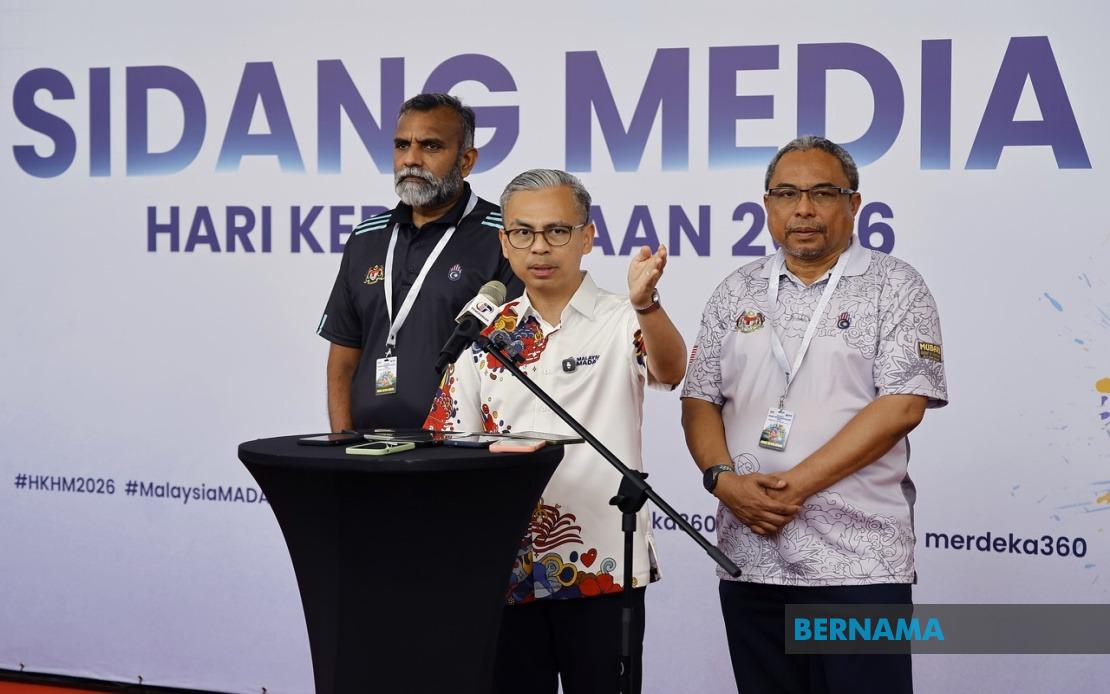
As Malaysia prepares to commemorate its 2026 National Day at Dataran Putrajaya this week, organisers are taking precautionary health measures in response to current atmospheric haze affecting the nation. Communications Minister Datuk Seri Fahmi Fadzil, heading the National Day and Malaysia Day (HKHM) 2026 celebrations main committee, has urged visitors to consider wearing N95 masks as a protective measure against haze-related health impacts. While the advisory aligns with Health Ministry recommendations, particularly for vulnerable populations, the government has stopped short of mandating mask-wearing, leaving the decision to individual discretion.
The scale of preventive preparations reflects the organisers' commitment to managing public health risks during what is expected to be a significant gathering. Organisers have procured over 10,000 N95 masks to distribute among participants, demonstrating a substantial logistical commitment to safeguarding attendees. The government's approach recognises that vulnerable groups including young children, elderly visitors, and individuals with respiratory conditions such as asthma face elevated risks from prolonged exposure to haze. Parents and those with pre-existing health conditions have been explicitly encouraged to bring protective masks, though the non-compulsory stance allows flexibility for those who assess their own risk differently.
Beyond respiratory protection, the Health Ministry has established a comprehensive medical support infrastructure across Dataran Putrajaya. Medical teams have been strategically positioned at multiple locations throughout the celebration site to provide immediate assistance should attendees experience haze-related health complications. According to Fahmi, these medical bases are fully operational and integrated into the overall event management plan, with no significant issues reported during preparations. This multi-layered approach—combining public advisories, equipment distribution, and on-site medical capabilities—demonstrates the government's proactive stance toward managing environmental health challenges during major national gatherings.
The decision to emphasise health precautions comes as Southeast Asia continues grappling with seasonal haze patterns that periodically affect air quality across the region. Malaysia, positioned downwind of Indonesian peat and forest fires during certain seasons, regularly faces air quality challenges that can impact public health and outdoor activities. The 2026 National Day celebrations, expected to draw substantial crowds to the federal administrative capital, presented an ideal opportunity for authorities to implement evidence-based protective measures. By communicating Health Ministry guidance directly to potential attendees, the government signals its responsiveness to environmental conditions while maintaining public confidence in the event's safety protocols.
Fahmi reported that the full dress rehearsal preceding the celebrations executed smoothly and aligned with organisational plans. This successful logistics run provided an opportunity to stress-test security arrangements, medical readiness, and crowd management procedures. The rehearsal's successful completion suggests that infrastructure upgrades and procedural refinements have been adequately implemented. For visitors and participants planning to attend, the smooth rehearsal indicates that basic operational systems are functioning effectively, though ongoing weather monitoring will remain critical throughout the actual celebrations.
Medias coverage of the event has received notable attention in the organisational hierarchy. The number of accredited media practitioners has increased substantially to 823 personnel, representing a significant jump from approximately 600 journalists covering the previous year's celebrations. This expansion reflects confidence in the event's scale and anticipated newsworthiness, while also suggesting organisers expect comprehensive domestic and international media engagement. Fahmi specifically highlighted anticipated improvements in internet connectivity infrastructure, suggesting that technical limitations that may have constrained coverage in previous years have been addressed through upgraded communications systems.
The Malaysian Communications and Multimedia Commission (MCMC), in coordination with major telecommunications providers, has overseen installation of additional communications equipment at 102 celebration venues nationwide. This network modernisation ensures journalists, participants, and remote observers can access reliable connectivity throughout the festivities. The emphasis on communications infrastructure reflects recognition that contemporary national celebrations depend on seamless digital connectivity for live reporting, social media engagement, and information dissemination to international audiences. For Malaysian media organisations competing with global news cycles, these infrastructure investments represent meaningful support for comprehensive event coverage.
Security arrangements have proceeded without notable incidents according to police assessments. The Royal Malaysia Police (PDRM) has reported that public order remains stable with no specific security concerns requiring elevated intervention. This assessment, provided during the pre-event press briefing, provides reassurance to potential attendees regarding safety at what will be a densely populated public gathering. Malaysia's relatively stable security environment, compared to certain regional peers, enables organisers to focus primarily on public health and logistical management rather than extraordinary security deployments. Nevertheless, standard police presence and crowd management protocols remain integral to event operations.
The convergence of health advisories, medical infrastructure, communications upgrades, and security preparations illustrates the comprehensive planning required for successful large-scale national celebrations in contemporary Malaysia. The 2026 National Day event at Dataran Putrajaya represents an opportunity for authorities to demonstrate integrated crisis management capabilities, balancing environmental challenges with ceremonial requirements. For Malaysian citizens and residents planning attendance, the government's transparent communication of health risks alongside concrete protective measures offers reasonable assurance that organisers take participant wellbeing seriously. The detailed preparation evident in rehearsal outcomes, medical staging, and infrastructure investment suggests attendees can expect a well-managed celebration, though the persistent haze remains an environmental variable beyond organisational control that individual attendees must navigate through personal protective choices.

