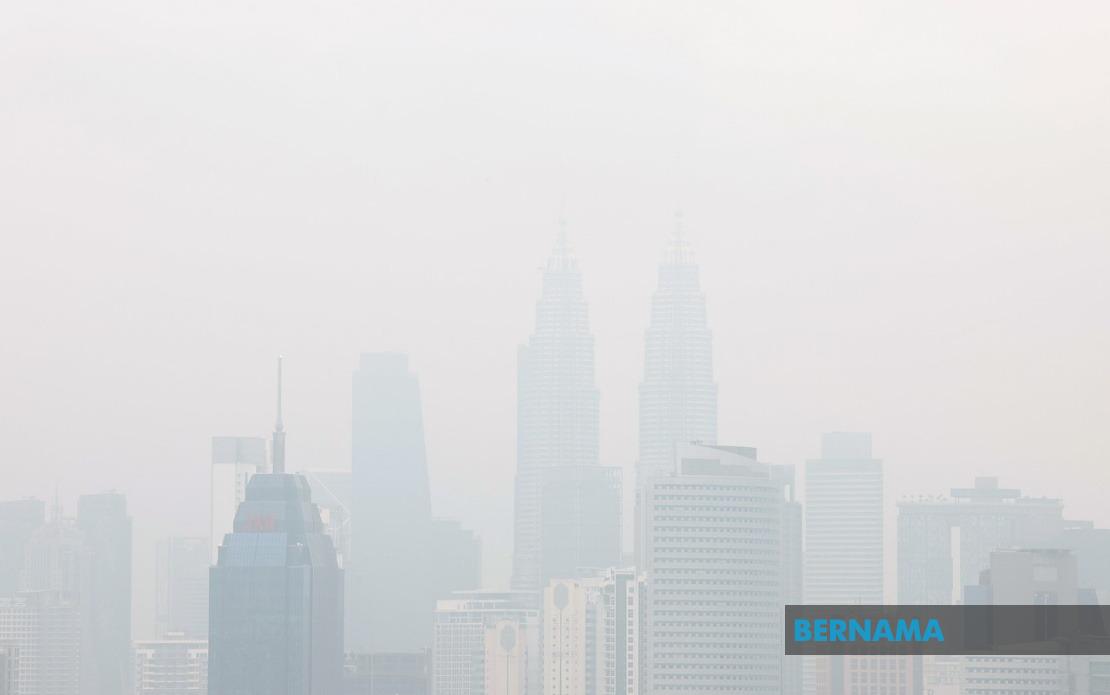
Malaysia's Youth and Sports Minister Dr Mohammed Taufiq Johari has moved to reassure the nation that worsening haze conditions will not compromise the preparation schedules of Malaysian athletes heading into the Aichi-Nagoya 2026 Asian Games, scheduled to take place between September 19 and October 3. Speaking in Sungai Petani after participating in a Merdeka motorcycle convoy, the minister emphasised that comprehensive contingency plans are already in place to keep athletes on track while safeguarding their physical health.
The assurance comes as transboundary haze from regional sources has intensified across Malaysia, raising concerns about outdoor sporting activities and air quality management during the crucial final weeks of athletic preparation. Taufiq revealed that the Cabinet had devoted considerable attention to the haze situation during its recent meeting, with air quality monitoring established as a continuous oversight mechanism to track developments and adjust strategies accordingly.
In coordination with the National Sports Institute (ISN), the ministry has developed a strategic framework designed to maintain training momentum without exposing athletes to hazardous air conditions. This collaborative approach reflects a deliberate effort to balance the competing demands of athletic preparation with occupational health and safety obligations—a particularly delicate equation given the unpredictability of Southeast Asian haze patterns and their potential to intensify further.
The government's primary adaptation strategy involves a significant shift in training methodology. Outdoor training sessions are being progressively reduced while simultaneously expanding the deployment of indoor training facilities across the country. This includes greater utilisation of indoor stadiums, covered training halls, and other climate-controlled venues capable of accommodating various sporting disciplines. The reallocation reflects a pragmatic approach to maintaining training quality and intensity without compromising air quality exposure.
Taufiq articulated the overarching principle guiding these decisions: ensuring that Malaysia's athletic preparations proceed without interruption whilst simultaneously maintaining and protecting athlete wellbeing. This dual objective acknowledges that premature cessation of training programmes could undermine competitive readiness, whilst excessive exposure to poor air quality could trigger respiratory complications that might prove more debilitating to performance than the training adjustments themselves.
For Southeast Asian readers, the situation underscores a recurring challenge facing the region's sporting authorities. Transboundary haze episodes have become increasingly frequent and severe, forcing host nations and participating countries to develop adaptive management protocols. Malaysia's approach of maintaining training flexibility whilst prioritising health protection offers a template that other regional sporting bodies have begun to emulate, particularly as climate variability continues to complicate outdoor athletics scheduling.
The Aichi-Nagoya Asian Games represent a significant opportunity for Malaysia to demonstrate competitive strength across multiple sporting disciplines. The five-week adjustment period provides adequate time for athletes to acclimate to indoor training regimens if necessary, though coaches and sport scientists will need to ensure that the transition does not introduce biomechanical inefficiencies or psychological adjustments that could affect performance timing.
Taufiq's comments also reflect broader government engagement with regional air quality challenges. By publicly confirming that contingency measures are operational and that the ISN remains actively involved in decision-making, the ministry seeks to build public and athletic confidence that Malaysia's Asian Games delegation will arrive in Japan in optimal condition. Transparent communication regarding haze management has become a political necessity, as previous instances of inadequate air quality disclosure have generated criticism from both athletes and international observers.
Beyond the immediate Asian Games context, Malaysia's handling of haze-related athletic disruptions has implications for Southeast Asian sporting infrastructure development. The emphasis on expanding indoor training facilities suggests a broader recognition that climate variability and seasonal haze patterns warrant permanent increases in climate-controlled sporting venues, not merely temporary adjustments. This infrastructure investment could yield long-term benefits extending well beyond a single Games iteration.
The accompanying Merdeka motorcycle convoy, which drew nearly 400 participants across Sungai Petani constituencies before concluding in Bakar Arang, served as a secondary platform for minister engagement with local communities. These grassroots outreach efforts, conducted during the closing days of August and the approach of Malaysia's national day celebrations, reinforce government messaging regarding athletic preparedness and national sporting pride as the regional Games draw closer.
Looking ahead to the Games themselves, Malaysia's athletes and support teams will benefit from the early adaptation to indoor training protocols. The psychological and technical adjustments required in transitioning between outdoor and indoor environments can now be managed during preparation phases rather than necessitating last-minute modifications in Japan. This proactive approach distinguishes Malaysia's Games preparation strategy from reactive crisis management, positioning the delegation for sustained competitive performance across multiple events.

